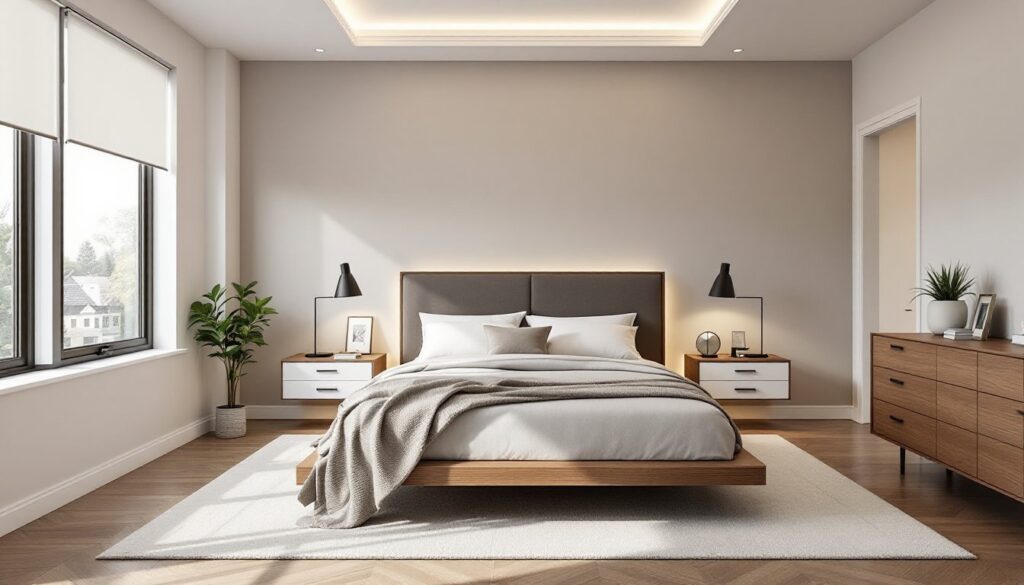

Finding your interior design style isn’t about fitting into a Pinterest category or copying showroom setups. It’s about understanding what makes a space feel right to you, then making intentional choices that reflect those preferences. Without a clear style direction, renovation projects and decor purchases can feel scattered, leaving rooms that don’t quite come together. This guide walks through a practical, step-by-step process to identify and refine a design style that works for how someone actually lives, not just how a magazine spread looks. No fluff, no vague inspiration, just a clear path to confident design decisions.
Table of Contents
ToggleKey Takeaways
- Finding your interior design style is a practical framework for home decisions, from paint colors to furniture selection, that saves time, money, and prevents impulse purchases and regret.
- Start by assessing your current space and existing pieces you love—color preferences, textures, materials, and finishes reveal your true taste more honestly than trendy decor.
- Create a mood board with 20-30 images of appealing rooms and elements, then edit ruthlessly to identify consistent patterns in colors, furniture, materials, and overall aesthetic.
- Test your interior design style with low-cost, reversible changes like paint, textiles, hardware swaps, and furniture rearrangement before committing to major renovations or expensive purchases.
- Understanding established styles like modern, traditional, farmhouse, industrial, Scandinavian, mid-century modern, and coastal provides vocabulary to recognize which elements resonate with your preferences, though blending multiple styles is perfectly valid.
Why Discovering Your Design Style Matters
Knowing one’s design style provides a framework for every home improvement decision, from paint colors to furniture selection to hardware finishes. Without that framework, it’s easy to accumulate mismatched pieces or chase trends that don’t reflect personal taste.
A defined style also saves time and money. Instead of second-guessing every purchase or repainting rooms multiple times, homeowners can filter choices through a clear aesthetic lens. It prevents impulse buys that don’t fit and reduces the likelihood of buyer’s remorse on big-ticket items like sofas or cabinetry.
For DIY projects, understanding design style helps prioritize which updates deliver the most impact. Someone drawn to modern minimalism won’t benefit from ornate crown molding, while a farmhouse enthusiast should skip sleek metal finishes. The style becomes a decision-making tool, not just a label.
Finally, a cohesive design style increases a home’s resale value. Buyers respond better to spaces with intentional, unified design than rooms that feel haphazard or overly trendy. Even if resale isn’t the immediate goal, a well-executed style makes a home more comfortable and functional for daily living.
Assess Your Current Space and What You Love
Start by walking through the home and noting which rooms feel most comfortable. Don’t focus on whether they’re “done” or decorated, pay attention to the spaces where it’s easiest to relax or be productive. Those areas often contain clues about inherent preferences.
Look at existing furniture, textiles, and decor that weren’t impulse buys. Which pieces get used daily? Which items would be kept in a move? The couch that’s been reupholstered twice or the vintage rug passed down from family often reveal more about true taste than a trendy accent pillow.
Consider color patterns. Pull out paint chips, fabric samples, or photos of favorite rooms. Do warm neutrals dominate, or is there a leaning toward cool grays and blues? Are there repeated accent colors, navy, mustard, sage? Color preferences are often subconscious but consistent.
Examine textures and materials already in the home. Lots of wood and natural fiber? That suggests something different than a space full of glass, metal, and lacquered surfaces. Pay attention to finishes on hardware, light fixtures, and faucets, brushed nickel, oil-rubbed bronze, polished chrome, or matte black all point toward different aesthetics.
Finally, note what feels off. If certain rooms are avoided or always feel uncomfortable, identify why. Too cluttered? Too sparse? Wrong lighting? Those pain points help define what not to include in a refined design style.
Explore Popular Interior Design Styles
Understanding established design styles provides a vocabulary for personal preferences. It’s not about rigidly adhering to one label, but recognizing which elements resonate.
Modern emphasizes clean lines, minimal ornamentation, and neutral palettes with bold accent colors. Materials lean toward metal, glass, and smooth surfaces. Furniture sits low to the ground with geometric shapes. It’s not the same as contemporary, which refers to current trends.
Traditional draws from European decor with rich wood tones, detailed molding, and classic furniture silhouettes. Expect crown molding, wainscoting, ornate rugs, and layered window treatments. Color palettes tend toward warm neutrals with jewel-tone accents.
Farmhouse and rustic styles incorporate reclaimed wood, shiplap, open shelving, and vintage or distressed finishes. The farmhouse version skews lighter and cleaner: rustic leans heavier and more rugged. Both prioritize natural materials and handcrafted details.
Industrial takes cues from converted warehouses and lofts: exposed brick, steel beams, concrete floors, and visible ductwork. Furniture often mixes metal frames with wood or leather. Edison bulbs and factory-style lighting are common.
Scandinavian combines minimalism with warmth through light wood, white walls, and simple, functional furniture. Textiles add coziness, think wool throws and sheepskin rugs. The style emphasizes natural light and uncluttered spaces.
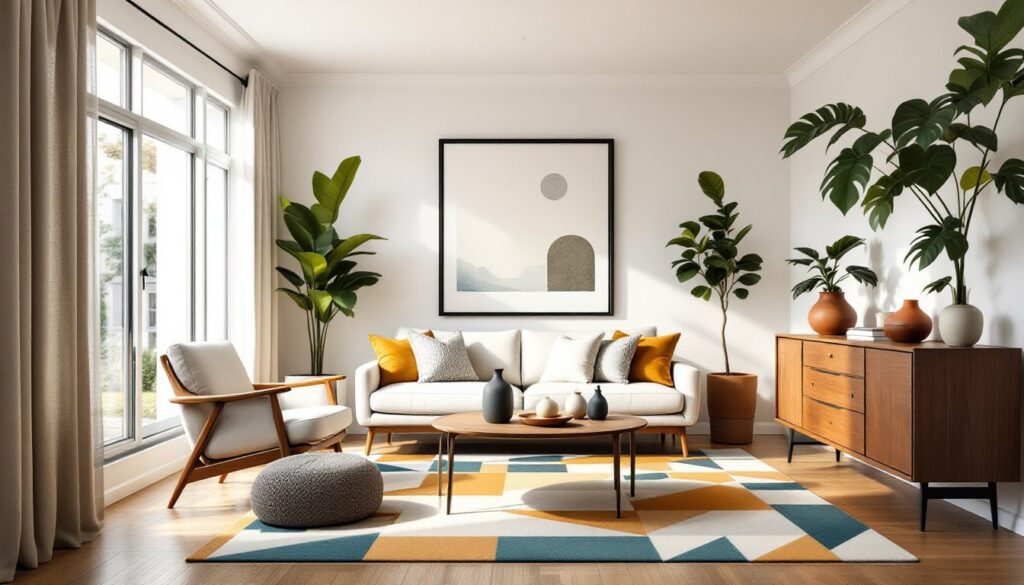
Mid-century modern features furniture from the 1950s-60s: tapered legs, organic curves, and a mix of traditional and non-traditional materials. Color palettes range from muted earth tones to bold oranges and teals.
Coastal isn’t just nautical stripes and anchors. It incorporates light, airy spaces with whites, blues, and sandy neutrals. Natural textures like jute, linen, and weathered wood dominate. It works inland as well as beachside.
Many platforms like homify offer extensive galleries organized by style, making it easier to compare and contrast these aesthetics. Most homes blend elements from multiple styles, and that’s perfectly fine, the goal is to identify which characteristics appear most often in preferred spaces.
Create a Mood Board to Visualize Your Preferences
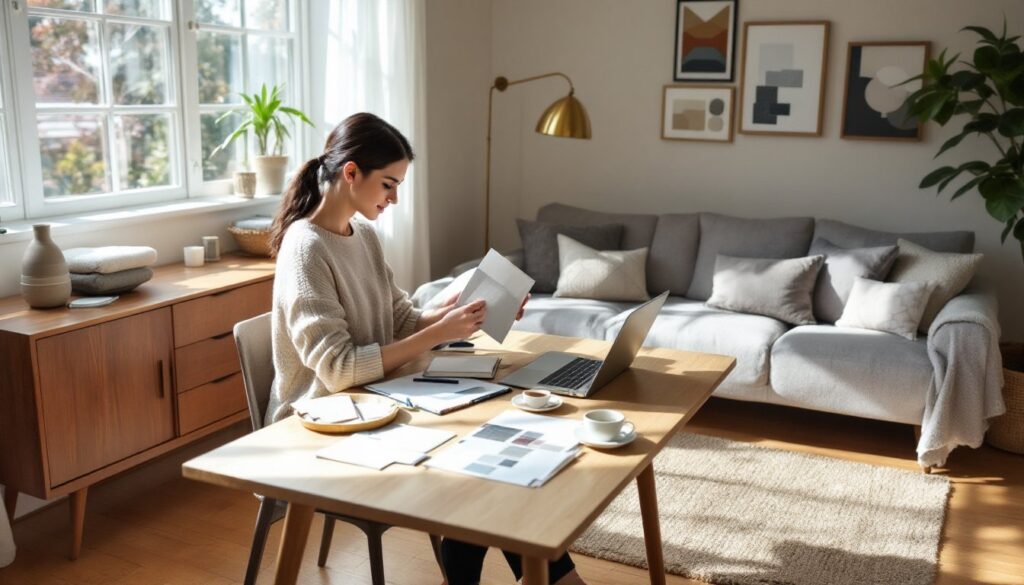
A mood board consolidates visual references into one place, making it easier to spot patterns and cohesion. It doesn’t require fancy software, a Pinterest board, a physical corkboard, or even a folder of saved images works.
Start by collecting 20-30 images of rooms, furniture pieces, color palettes, and architectural details that feel appealing. Don’t overthink it, save anything that sparks interest. Include a mix: whole rooms, close-ups of textures, outdoor spaces if relevant, even fashion or nature photos that capture a desired mood.
After gathering images, step back and look for commonalities. Are there repeated colors? Similar furniture shapes? Consistent material choices like wood, metal, or upholstered pieces? Do the images skew minimal or layered? Bright or subdued?
Edit ruthlessly. Remove images that don’t fit emerging patterns. If most selections feature warm wood tones and soft textiles but a few show stark white minimalism, the outliers probably don’t reflect true preferences.
Organize the mood board by room or element type: living spaces, kitchens, color schemes, lighting, textiles. This helps identify whether the style translates across the entire home or if different rooms call for different approaches (which is valid, a cozy bedroom and a sleek kitchen can coexist).
Use the mood board as a reference when shopping or planning projects. Bring it to paint stores, furniture showrooms, or contractor meetings. It communicates vision more clearly than verbal descriptions and keeps decisions aligned with the overall aesthetic.
Identify Patterns in Your Favorite Spaces
Beyond mood boards, look at real-world spaces that feel most inviting. This could be a friend’s home, a favorite restaurant, a hotel lobby, or even a well-designed office. Take note (or discreet photos) of specific elements: lighting types, furniture arrangements, architectural details.
Pay attention to scale and proportion. Are ceilings high or cozy? Is furniture oversized and plush or streamlined and compact? Scale impacts how a style feels, and what works in a loft with 14-foot ceilings won’t translate to a ranch with 8-foot ceilings.
Notice lighting. Are spaces flooded with natural light, or do layered lamps and sconces create ambiance? Does the lighting feel warm (around 2700K-3000K) or cooler (4000K+)? Lighting temperature dramatically affects mood and should align with style preferences.
Consider the level of formality. Are favorite spaces polished and symmetrical, or relaxed and slightly undone? A traditional style might demand matching nightstands and centered artwork, while a boho or eclectic approach embraces asymmetry.
Look at how color is used. Is it primarily in accents and artwork with neutral backgrounds, or are walls and large furniture pieces saturated with bold hues? Understanding this balance prevents overcommitting to a color that might overwhelm.
Finally, think about functionality. The most beautiful design style fails if it doesn’t support how the space is used. If favorite spaces also happen to be highly functional, identify why, ample storage, durable materials, flexible layouts, and incorporate those practical elements into personal style definitions.
Test Your Style with Small Changes
Before committing to major renovations or furniture purchases, test the identified style with low-risk, reversible updates. This reveals whether the aesthetic works in practice or just looks good in theory.
Start with paint. A gallon of paint covers roughly 350-400 square feet and costs $30-70 depending on quality. Painting an accent wall or a small room provides immediate visual impact without long-term commitment. Choose a color pulled directly from the mood board.
Swap out textiles: throw pillows, blankets, curtains, rugs. These are the easiest and most affordable ways to shift a room’s feel. If testing a coastal style, add linen curtains and a jute rug. For industrial, try leather or canvas pillows and a cowhide rug.
Update hardware and fixtures. Replacing cabinet pulls, drawer knobs, light switch covers, and curtain rods takes minimal time but significantly affects style. Oil-rubbed bronze reads traditional or rustic: matte black suits modern or industrial: polished nickel fits transitional or coastal. A typical kitchen might have 20-30 pieces of hardware, with knobs and pulls ranging from $2-15 each.
Rearrange furniture. Sometimes style isn’t about buying new pieces but positioning existing ones differently. A mid-century modern layout emphasizes open flow and furniture floating away from walls, while traditional design often anchors pieces against walls with symmetrical arrangements.
If the style involves architectural elements, like board-and-batten walls, exposed beams, or built-in shelving, start with one small area. A DIY board-and-batten project in a powder room or hallway uses nominal 1x4s (actual dimensions ¾” x 3½”) and costs $75-150 in materials. It’s manageable over a weekend and provides a clear sense of whether the style fits.
Taking these interior design approaches incrementally allows for course correction without expensive mistakes. If something feels off after living with it for a few weeks, it’s easier to repaint or return textiles than to overhaul an entire room.
Conclusion
Finding an interior design style isn’t a one-time decision, it evolves as preferences sharpen and living needs change. The process outlined here provides a repeatable framework: assess what already works, research established styles, visualize through mood boards, and test with small updates before committing to larger projects. With a clear style direction, every paint chip, furniture choice, and renovation decision becomes faster and more confident, resulting in a home that actually feels like it belongs to the people living in it.