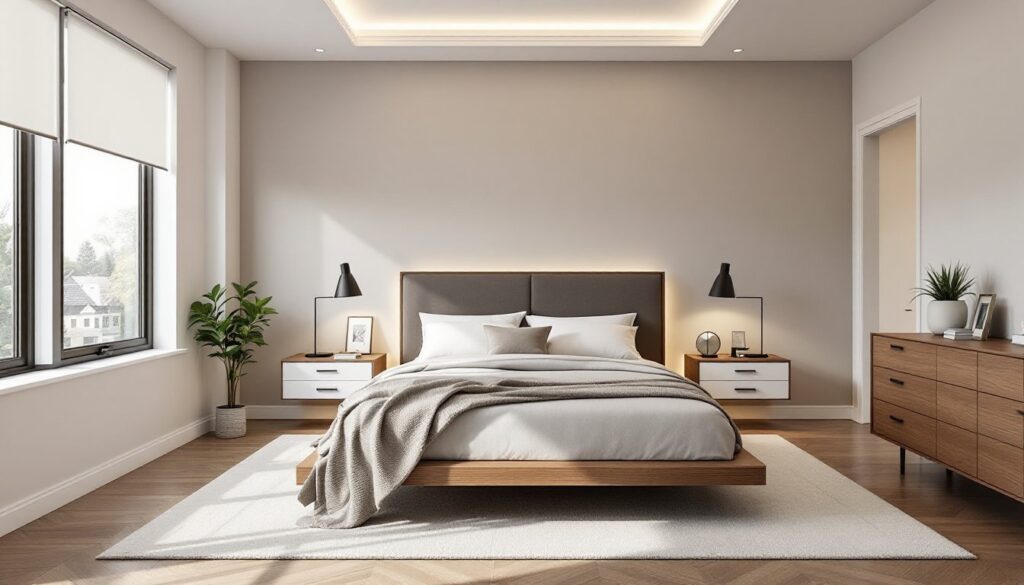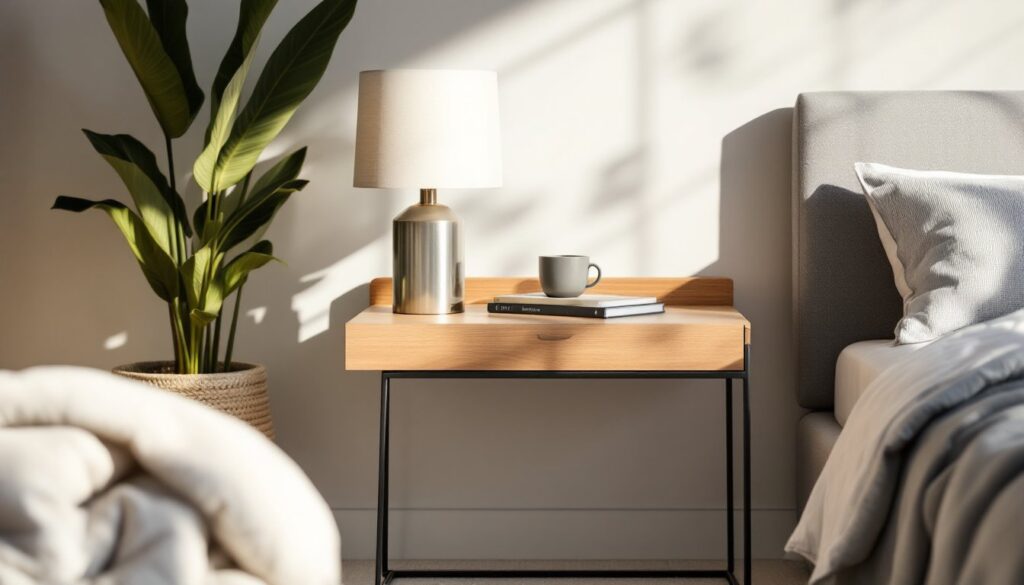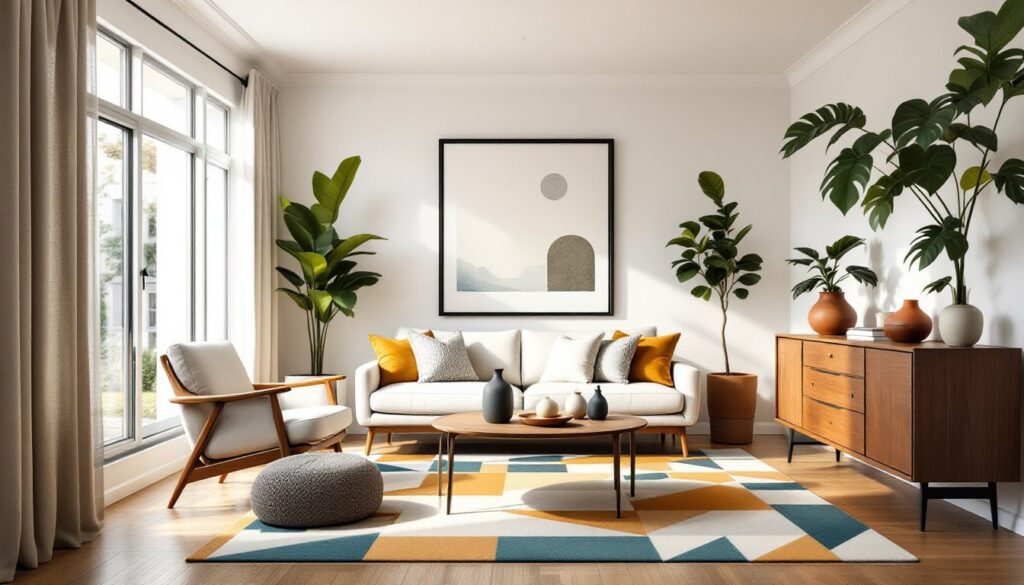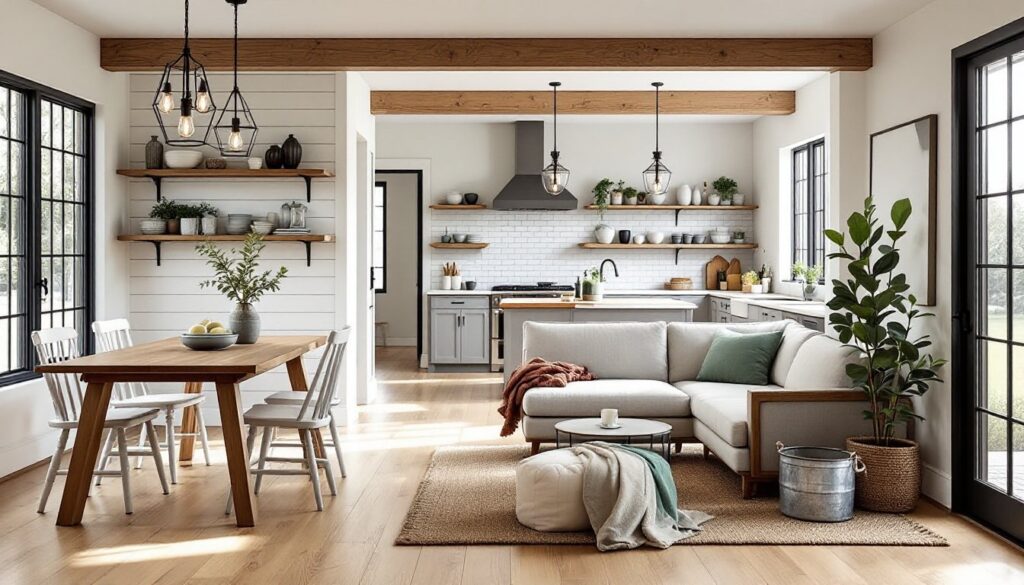

Modern farmhouse style blends rustic warmth with clean, contemporary lines, think reclaimed wood beams paired with sleek subway tile. It’s practical, livable, and surprisingly forgiving for DIYers who want to tackle projects themselves. Unlike trend-heavy styles that date quickly, modern farmhouse anchors around neutral palettes, natural materials, and functional design that ages well. Whether renovating a century-old colonial or updating a 1990s builder-grade ranch, these ideas work across home styles and budgets. The key is balancing vintage character with modern comfort, no Pinterest-perfect staging required.
Table of Contents
ToggleKey Takeaways
- Modern farmhouse interior design balances rustic warmth with clean lines and neutral palettes, creating a timeless style that works across different home styles and budgets.
- Use warm whites and greiges as base colors, paired with matte black hardware and natural wood tones to achieve an authentic modern farmhouse aesthetic without cold, sterile results.
- Essential elements like farmhouse tables, slipcovered sofas, open shelving, and vintage repurposed pieces add character while maintaining functional, livable spaces.
- Architectural details such as shiplap, faux or reclaimed beams, and board-and-batten treatments are approachable DIY projects that dramatically transform a room’s visual impact.
- Lighting fixtures, from pendant lights over islands to sconces in bathrooms, should feature matte black or oil-rubbed bronze finishes with warm 2700K LED bulbs to complete the modern farmhouse look.
- Quality materials like solid wood flooring, natural fiber rugs, and stone tile foundations create durability and authentic texture that ages well and resists trending quickly.
What Defines Modern Farmhouse Style?
Modern farmhouse sits at the intersection of rustic charm and minimalist function. It borrows heavily from agricultural architecture, exposed structural elements, wide-plank flooring, apron-front sinks, but strips away the clutter and heavy fabrics that defined traditional country interiors.
The defining characteristics:
• Clean lines with organic textures: Think smooth drywall alongside rough-sawn beams, or flat-panel cabinetry next to a butcher-block countertop.
• Neutral base with natural accents: Whites, grays, and soft taupes dominate, punctuated by wood tones, black metal hardware, and greenery.
• Open floor plans: Walls come down to merge kitchen, dining, and living spaces, common in barn conversions, now standard in suburban builds.
• Practical materials: Hardwood, stone, metal, and cotton over synthetics. Durability matters as much as aesthetics.
Unlike industrial or Scandinavian minimalism, modern farmhouse embraces imperfection. A hand-scraped floor or slightly uneven shiplap adds character, not defects. It’s a style that rewards DIY work, your beginner carpentry won’t look out of place if you lean into the handmade quality.
Color Palettes That Bring Modern Farmhouse to Life
White is the workhorse, specifically warm whites with slight cream or gray undertones, not sterile builder white. Sherwin-Williams Alabaster (SW 7008) and Benjamin Moore White Dove (OC-17) are go-to choices for walls and trim. They reflect light without the cold hospital vibe.
Secondary neutrals layer in depth:
• Greiges (gray-beige hybrids) like SW Agreeable Gray work for accent walls or cabinetry
• Soft grays in the 50-60% LRV (light reflectance value) range keep spaces airy
• Warm taupes and tans ground larger rooms without heaviness
Accent colors stay muted. Charcoal or matte black appears in hardware, light fixtures, and window frames, it’s the modern backbone. Sage green, dusty blue, or terracotta can warm up a bedroom or dining area but use sparingly. A single accent wall or collection of throw pillows is enough.
Wood tones matter as much as paint. Light to medium oak, reclaimed pine, or whitewashed finishes dominate flooring and furniture. Avoid orange-toned honey oak (very 1990s) and overly distressed turquoise-painted pieces (too shabby chic). The goal is weathered, not worn-out.
Paint coverage for walls averages 350-400 sq ft per gallon with quality primer. Budget two coats for consistent color, especially over darker existing paint.
Essential Furniture and Decor Elements
Farmhouse tables anchor dining and kitchen spaces, look for solid wood construction, ideally 1.5″ thick tops, with turned or tapered legs. A table measuring 72″ x 36″ seats six comfortably. Pair with mismatched seating: ladder-back chairs, upholstered benches, or metal stools.
Slipcovered sofas and sectionals bring casual comfort to living rooms. Linen or cotton twill in oatmeal, gray, or white work best. They’re machine-washable, a practical choice if you’ve got kids or pets. Skip the fussy tufting: go for simple track arms and exposed wood legs.
Open shelving replaces upper cabinets in kitchens. Use 2×10 or 2×12 dimensional lumber (actual dimensions 1.5″ x 9.25″ or 1.5″ x 11.25″) stained or sealed with matte polyurethane. Mount with heavy-duty brackets rated for 50+ lbs per pair. Display everyday dishes, glassware, and a few decorative crocks, not tchotchkes.
Vintage and repurposed pieces add character:
• Industrial metal stools or factory carts as side tables
• Enamelware pitchers for utensil storage
• Antique ladders leaning against walls for blanket storage
• Galvanized metal bins for pantry organization
Avoid overdoing the “farmhouse” label. One well-chosen grain sack pillow beats a dozen mass-produced “Gather” signs. Balance rustic finds with modern upholstery and sleek accessories to keep the look fresh, not themed. Many successful modern farmhouse decorating ideas mix vintage authenticity with contemporary restraint.
Shiplap, Beams, and Architectural Details Worth Adding
Shiplap is pine or fir boards with a rabbet joint, typically 1×6 or 1×8 nominal (actual ¾” x 5.5″ or ¾” x 7.25″). Install horizontally with a ⅛” reveal (nickel-width gap) between boards. Prime and paint before installation, it’s easier than cutting in around every seam later.
Best applications: accent walls behind beds, wainscoting in dining rooms (36″ height is standard), or full bathroom walls. Skip shiplap on ceilings unless you enjoy neck strain: beadboard panels install faster overhead.
You’ll need:
• Finish nailer (18-gauge) or a hammer and finishing nails
• Level and stud finder
• Miter saw for clean cuts
• Caulk and paintable wood filler for seams and nail holes
Faux beams add drama without structural work. Hollow polyurethane beams weigh 8-12 lbs per 8′ section versus 40+ lbs for solid timber. Mount to ceiling joists with construction adhesive and lag screws. Common sizes: 6″ x 6″ or 8″ x 8″ in hand-hewn or smooth finishes.
Real reclaimed beams bring authenticity but require structural assessment. A 6″ x 8″ x 12′ oak beam weighs 150+ lbs and needs blocking between ceiling joists rated for the load. Not a solo job, hire help or a timber framer if going this route.
Board-and-batten elevates plain walls. Use 1×4 vertical battens spaced 12-18″ apart over drywall. Attach with construction adhesive and brad nails into studs. Paint the same color as walls for subtle texture, or contrast with trim color.
Barn doors work for closets, pantries, or bathrooms, but not as primary bedroom or bathroom doors where privacy and sound control matter. A standard 36″ x 84″ door requires 6-8 ft of wall space for the track. Hardware kits run $80-$200: expect to mount into solid blocking, not just drywall anchors.
Code note: Barn doors don’t meet egress requirements for bedroom exits in most jurisdictions. Check local IRC adoption before replacing a hinged bedroom door.
Modern Farmhouse Lighting Fixtures That Make a Statement
Pendant lights over kitchen islands command attention. Look for:
• Clear glass globes with Edison bulbs or matte black caged fixtures
• Metal dome shades in 12-16″ diameter, hung 30-36″ above countertops
• Groupings of three for islands 6-7 feet long, spaced evenly
Wiring multiple pendants requires junction boxes rated for fixture weight. If retrofitting, you may need to add blocking between joists, 2×6 or 2×8 lumber secured perpendicular to joists before drywall goes back up.
Chandeliers bridge rustic and refined. Wrought iron, wood bead, or wagon wheel styles suit dining rooms. A 24-30″ diameter chandelier works over a 60-72″ table. Hang the bottom 30-34″ above the tabletop, high enough to avoid head bumps, low enough to feel intimate.
Flush and semi-flush mounts fit low ceilings (under 8 feet). Metal or wood frames with seeded glass diffusers provide farmhouse character without bulk.
Sconces flank bathroom mirrors or hallway walls. Matte black or oil-rubbed bronze finishes pair with clear or frosted glass shades. Mount 60-66″ to center for task lighting at eye level.
For bath vanities, the NEC requires GFCI protection for outlets within 6 feet of water sources. If replacing a light fixture, verify that the circuit is properly grounded, especially in older homes with two-wire systems.
LED bulbs in 2700K warm white mimic incandescent glow without the heat or energy draw. Avoid cool whites (4000K+), which read sterile. Dimmable LEDs require compatible dimmer switches: not all work with standard rotary dimmers.
Textures and Materials for an Authentic Farmhouse Feel
Wood flooring is foundational, ¾” solid oak or engineered hardwood in 5″ or wider planks. Wire-brushed or hand-scraped finishes hide scratches better than glossy polyurethane. Expect 22-24 sq ft per box and order 10% extra for waste.
Alternatives: Luxury vinyl plank (LVP) mimics wood grain at half the cost and installs over concrete or existing tile. Choose thicker options (6-8mm wear layer) for durability in high-traffic zones.
Natural fiber rugs soften hard surfaces, jute, sisal, or wool in muted tones. A 9′ x 12′ area rug centers under a dining table with 24″ extending beyond chair legs when pulled out. Rug pads prevent slipping: trim to size with scissors.
Linen and cotton textiles dress windows, beds, and seating. Skip heavy drapes: opt for simple rod-pocket panels or Roman shades in natural tones. Curtain rods should extend 4-6″ beyond window frames on each side for full coverage when open.
Stone and tile add texture in kitchens and baths:
• Subway tile (3″ x 6″) in white or light gray, laid in running bond or herringbone
• Marble or quartz countertops with subtle veining (not busy patterns)
• Hexagonal or penny-round floor tile for vintage bath character
Tile installation requires thinset mortar, grout, and a wet saw for cuts. Allow 24 hours cure time before grouting. Not confident with tile? This is one to hand off, lippage and uneven grout lines are tough to fix.
Metal accents in matte black or aged bronze appear in cabinet pulls, faucets, and curtain hardware. Consistency matters, mix too many finishes and the space looks chaotic. Stick to two metal tones maximum per room.
Shiplap, brick, or stone accent walls bring dimension. Real brick or stone veneer weighs 8-12 lbs per sq ft and may require wall reinforcement. Thin brick veneer (½” thick) or peel-and-stick panels offer easier installs for DIYers. Exploring modern home decor ideas reveals how texture layering defines successful interiors across styles.
Conclusion
Modern farmhouse style rewards careful material choices and restrained decor over trend-chasing. Focus on quality wood, neutral palettes, and functional fixtures that serve daily life, not just photo ops. Start with high-impact architectural details like shiplap or beams, then layer in furniture and lighting that balance rustic warmth with clean lines. For additional inspiration and project planning, home design resources provide room-specific guidance. Most of these projects are DIY-friendly with basic carpentry skills, though structural work and electrical upgrades should involve licensed professionals.