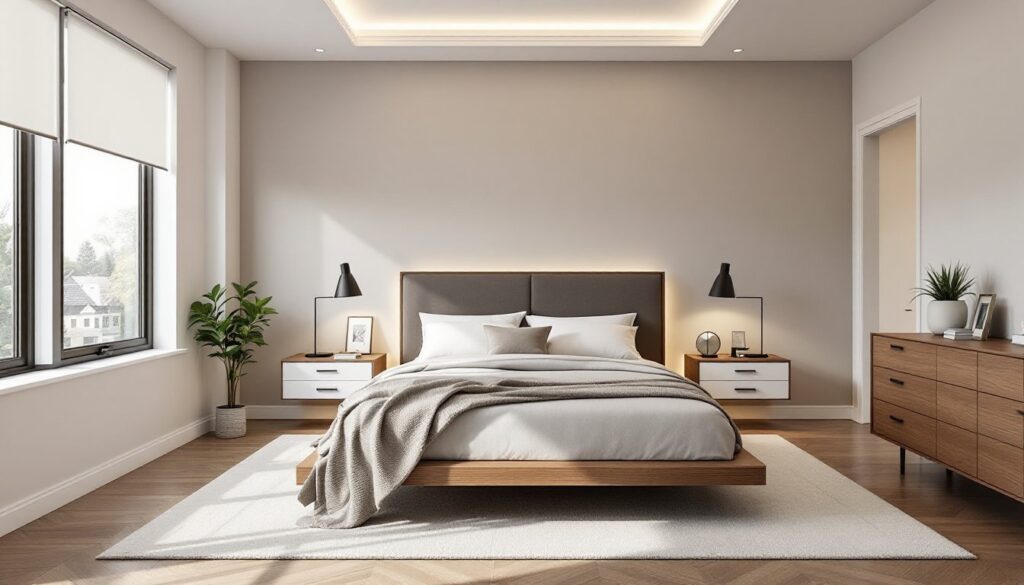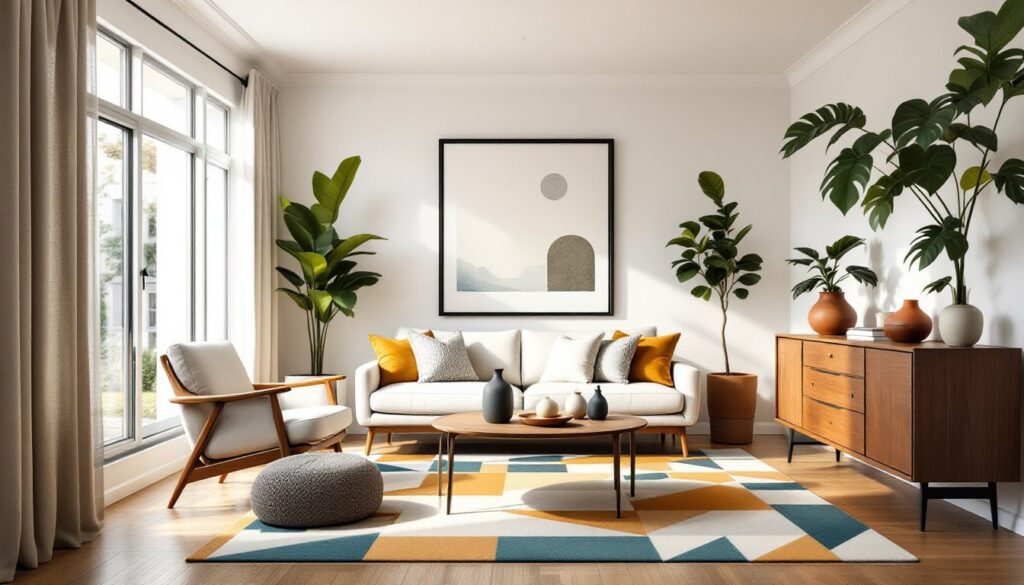

If you’ve ever stared at a blank room and felt stuck, or worse, made an expensive mistake trying to DIY a space, you’re not alone. Many homeowners hit a wall when it comes to layout, color choices, or selecting furniture that actually works. That’s where an interior design consultation comes in. But before you book one, you’re probably wondering: What’s this going to cost? Unlike full-scale design services, consultations are short, focused sessions that offer professional insight without the long-term commitment. Understanding the fee structure upfront helps you budget smartly and get the most value from the designer’s time.
Table of Contents
ToggleKey Takeaways
- An interior design consultation fee typically ranges from $100–$500 per hour or $200–$800 as a flat fee, making it an affordable entry point for professional design guidance without full project commitment.
- Interior design consultation costs vary significantly based on designer experience, location, session length, and deliverables—with urban markets charging 30–50% more than suburban or rural areas.
- A professional consultation can prevent costly mistakes that often exceed the $200–$500 investment, such as purchasing wrong-sized furniture or selecting mismatched paint colors.
- Many designers apply the interior design consultation fee as a credit toward larger projects, so ask upfront whether the fee is refundable, applicable, or standalone before booking.
- During a consultation, expect the designer to assess your space, discuss budget and lifestyle needs, sketch layouts, and provide a prioritized action plan or written report with product recommendations.
- Consultations deliver the strongest ROI for complex design challenges like odd angles, poor lighting, or multi-functional spaces, while simpler projects like hardware swaps may not require professional guidance.
What Is an Interior Design Consultation Fee?
An interior design consultation fee is what a designer charges for an initial session, typically one to two hours, where they assess your space, listen to your goals, and provide recommendations. This isn’t a full design package. Instead, it’s a standalone service aimed at giving you actionable direction.
During this session, designers might sketch layout ideas, suggest paint colors, identify furniture pieces, or flag structural issues you hadn’t considered (like whether a wall is load-bearing before you knock it down). Some designers offer consultations as a paid trial run before committing to a larger project, while others provide them as a service on their own.
The consultation fee is separate from project-based or hourly design fees for execution. Think of it as paying for expert advice, not full project management. You walk away with ideas, a priority list, and sometimes even product links or measurements, but the heavy lifting is still on you unless you hire them for the full scope.
Many designers apply the consultation fee as a credit toward future services if you decide to move forward with a full project. Always ask upfront whether the fee is refundable, applicable, or standalone.
How Much Do Interior Designers Charge for Consultations?
Consultation fees vary widely based on the designer’s experience, location, and the scope of the session. In 2026, most consultations fall into two pricing structures: hourly rates or flat fees.
Hourly Rate Consultations
Most interior designers charge between $100 and $500 per hour for consultations, with the national average hovering around $150–$250. Urban markets like New York, San Francisco, and Los Angeles tend to sit at the higher end, while smaller cities and suburban areas often land closer to $100–$150.
Hourly consultations work well if you have a narrow focus, say, selecting paint colors for one room or figuring out furniture placement in a tricky living area. The clock starts when the designer arrives (or hops on a video call) and stops when the session wraps.
Be clear about the scope before booking. Some designers include a follow-up email with notes or product links in the hourly rate: others charge separately for deliverables. If you’re working with a highly sought-after designer, expect rates on the upper end of the spectrum.
Flat Fee Consultations
Flat fee consultations typically range from $200 to $800, depending on what’s included. A basic session might cover a single room walkthrough and verbal recommendations, while a premium package could include a detailed PDF with layout sketches, paint swatches, furniture sources, and a shopping list.
Flat fees offer more predictability, especially if you’re prone to asking a lot of questions or want the designer to spend time measuring and sketching. This structure is popular for virtual consultations, where the designer reviews photos and floor plans remotely, then delivers a written report.
Some designers bundle consultations with project planning tools that help homeowners estimate costs and timelines before committing to a full remodel.
Factors That Influence Consultation Costs
Not all consultations are priced the same. Several variables affect what a designer will charge, and what you’ll get in return.
Experience and reputation matter. A designer with 15 years in the field and a portfolio full of published work will command higher fees than someone fresh out of design school. That doesn’t mean a newer designer can’t deliver value, but established professionals bring pattern recognition and problem-solving speed that comes from seeing hundreds of spaces.
Location plays a major role. Designers in high-cost-of-living areas charge more to cover overhead, travel time, and market demand. Expect to pay 30–50% more in major metros compared to rural or mid-sized towns.
Session length and deliverables also shift the price. A 60-minute in-person visit with verbal advice costs less than a two-hour session that includes a follow-up report, mood board, and sourcing list. If the designer needs to visit your home (versus a virtual call), factor in travel time and parking, especially in urban areas.
Specialization can bump the rate. A designer who focuses on kitchen remodels or accessible design brings niche expertise that justifies a premium. Similarly, commercial or hospitality designers often charge more than residential generalists.
Finally, some designers waive or reduce the consultation fee if you commit to a full project on the spot. This isn’t common, but it’s worth asking about during the booking process.
What to Expect During an Interior Design Consultation
A good consultation is part interview, part site analysis, and part brainstorming session. Here’s how most designers structure the time.
Before the appointment, you’ll typically fill out a questionnaire or send over photos, floor plans, and a rough budget. This prep work helps the designer hit the ground running. If it’s a virtual consultation, take clear, well-lit photos from multiple angles and include measurements of the room, wall lengths, ceiling height, window dimensions.
During the session, the designer will walk the space (or review your photos), ask about your lifestyle and priorities, and identify pain points. They’ll measure key areas, note existing conditions (like outdated electrical outlets or awkward door swings), and discuss your aesthetic preferences.
You’ll also talk budget. Be honest here. A designer can’t give useful advice if they think you have $20,000 to spend when you really have $5,000. They’ll tailor suggestions to what’s realistic, maybe that means IKEA hacks instead of custom millwork, or a phased approach that tackles the room over several months.
Designers often sketch rough layouts on the spot or point out quick wins, like swapping light fixtures, repositioning furniture, or painting an accent wall. They might also flag issues that need a pro, like whether that wall you want to remove is structural, or if your electrical panel has capacity for new lighting circuits.
After the consultation, many designers send a summary email with notes, product links, or a simple floor plan. Some include a prioritized task list so you know what to tackle first. If you booked a flat-fee package, you’ll receive the full deliverables within a week or two.
Come prepared with questions. This is your chance to pick a pro’s brain, so don’t hold back. Ask about material durability, whether a trend is worth following, or how to phase a project if you can’t afford everything at once.
Is an Interior Design Consultation Worth the Investment?
For most homeowners, yes, especially if you’re planning a renovation, furnishing a new space, or stuck on a design problem you can’t solve alone.
A consultation saves money in the long run by helping you avoid costly mistakes. Buying the wrong size sofa, choosing a paint color that clashes with your lighting, or ordering custom cabinets that don’t fit your workflow, these errors add up fast. Spending $200–$500 for professional guidance upfront can prevent a $2,000+ mistake down the line.
It’s also a time-saver. Instead of scrolling through Pinterest for hours or second-guessing every choice, you get a clear action plan from someone who’s done this hundreds of times. Designers know which products hold up, which contractors are reliable, and how to sequence a project so you’re not painting before you run new electrical.
Consultations are especially valuable if you’re tackling a space with tricky constraints, odd angles, low ceilings, poor natural light, or multi-functional needs (like a guest room that doubles as a home office). Designers are trained to solve spatial puzzles and balance aesthetics with function.
That said, a consultation might not be necessary if your project is straightforward, say, hanging some art or swapping out hardware. It’s also less useful if you’re not ready to act on the advice. If you’re years away from a renovation or just browsing for inspiration, save your money and revisit when you’re closer to pulling the trigger.
If budget is tight, look for designers who offer tiered packages or virtual-only consultations, which tend to cost less than in-person visits. Some designers also run seasonal promotions or offer discounted rates for first-time clients. According to recent cost data on designer fees, consultation rates have held steady over the past few years, making them a predictable line item when planning home improvements.
Eventually, the ROI comes down to how much you value expert guidance versus trial-and-error. If you’re confident in your vision and enjoy the process of figuring things out, you might not need a designer. But if you want a faster, smarter path to a space that works, and looks great, a consultation is a solid investment.