
Mid century modern decor remains one of the most sought-after design styles for homeowners looking to add character and sophistication to their spaces. Originating from the 1950s and 1960s, this aesthetic blends clean lines, functional design, and organic forms into a cohesive look that feels both retro and surprisingly contemporary. Whether you’re refreshing a single room or planning a full home overhaul, mid century modern interior design offers timeless principles that work beautifully in today’s homes. The appeal is straightforward: it’s less fussy than traditional design, more personable than minimalism, and endlessly adaptable to different budgets and tastes.
Table of Contents
ToggleKey Takeaways
- Mid century modern decor blends clean lines, functional design, and organic forms to create a timeless aesthetic that feels both retro and contemporary, working beautifully in today’s homes.
- Essential furniture pieces for mid century modern interior design include low-profile sofas with exposed legs, tapered credenzas for storage, and simple tables with honest wood grain and minimal hardware.
- The classic mid century modern color palette features warm neutrals as a base (cream, beige, soft gray) paired with sophisticated accent colors like mustard yellow, burnt orange, teal, or forest green.
- High-quality materials like walnut, teak, real leather, and brushed brass are key to mid century modern style, with finishes that age gracefully rather than synthetic alternatives that can look plasticky.
- Mid century modern design principles adapt seamlessly to modern living by applying clean aesthetic concepts to contemporary needs like flat-screen TVs, which can be mounted on minimal consoles rather than hidden away.
- Personalization and lived-in comfort matter as much as authentic styling, allowing mid century modern spaces to feel warm and inhabited rather than sterile museum displays.
What Defines Mid Century Modern Style
Mid century modern interior design is rooted in a specific philosophy: form follows function, and beauty doesn’t require excess. The style emerged in the post-war era when designers and manufacturers prioritized clean aesthetics, rational construction, and accessibility. A mid century modern interior is characterized by low-profile furniture, minimal ornamentation, geometric patterns, and an emphasis on natural materials like wood, leather, and metal.
The core hallmark is simplicity with purpose. Furniture pieces are typically elevated on thin legs (often tapered or splayed), which creates visual lightness and allows you to see through the room. Upholstery favors solid colors or subtle patterns rather than florals or damasks. Wood tones run warm, walnut, teak, and oak are staples, paired with brass, chrome, or black metal accents. Unlike more ornate styles, mid century modern decor strips away unnecessary detail while keeping everything functional and accessible.
One common misconception is that mid century modern means all 1950s vintage pieces. That’s not accurate. The style is about principles and proportions that you can execute with contemporary pieces. Modern living and home design ideas on Dwell showcase how this aesthetic translates across decades. You’re aiming for a balance between authenticity and livability, your home should be beautiful, yes, but also comfortable for daily use.
Key Furniture Pieces That Define The Aesthetic
Must-Have Iconic Seating And Storage Solutions
Successful mid century home decor hinges on selecting the right furniture anchors. Start with seating: look for sofas and chairs with clean lines, slim arms, and exposed legs. The iconic designs, think Eames-style lounge chairs, Florence Knoll sofas, or simple barrel chairs, come in reproductions at every price point. You don’t need to spend thousands on originals: quality reproductions from mainstream furniture retailers work perfectly well for a home office, living room, or bedroom.
Storage is equally crucial and often overlooked. Mid century modern interiors rely on sideboards, credenzas, and bookcases to keep clutter invisible. These pieces typically feature tapered legs, clean fronts, and minimal hardware. A credenza functions as both storage and visual anchor, use it to display ceramics, plants, or a media setup. Wall-mounted shelving with metal brackets is another budget-friendly option that nails the aesthetic without the bulk.
Tables (coffee, side, dining) should feature honest wood grain or a two-tone top (wood and metal, for instance) rather than veneers or ornate bases. The legs matter, look for splayed, angled, or hairpin-style legs rather than anything blocky or traditional. A simple dining table in walnut or oak with four tapered legs and no apron (the cross-support that connects legs) reads instantly as mid century modern interior design. Pair it with upholstered chairs that have exposed wooden frames and you’ve established the foundation.
Color Palettes And Materials That Work Best
Mid century modern color schemes are deliberately restrained. The classic palette includes warm neutrals (cream, beige, soft gray) as the base, paired with accent colors in mustard yellow, burnt orange, teal, or forest green. These aren’t neon or artificially bright hues: they’re sophisticated, slightly muted versions that feel like they’ve aged gracefully. Avoid cool grays or stark whites, which can read cold and modern rather than warm and retro.
Wood is the primary material in any mid century modern interior. Walnut is the gold standard for furniture and flooring, but teak, oak, or even maple work if stained appropriately. The finish should be satin or matte rather than high-gloss, which looks plasticky. Leather, real leather, not faux, adds richness to seating and accents. Look for cognac, caramel, or black tones rather than trendy blush or sage. Metal accents include brushed brass, polished chrome, and matte black. Avoid mixing metals: stick to two complementary finishes maximum. Characteristics of mid-century modern design from Homedit break down these material choices in depth.
Secondary materials include ceramic, glass, and wool. Hand-thrown or sculptural ceramics (think abstract vases or geometric planters) add personality and texture. Glass tops on tables or shelving provide visual breaks. Wool rugs in geometric patterns anchor seating areas and add warmth underfoot. Avoid synthetic materials wherever possible: the mid century modern aesthetic relies on materials that age beautifully and feel authentic to the touch.
Decorating Tips For Different Rooms
Living Rooms, Bedrooms, And Home Offices
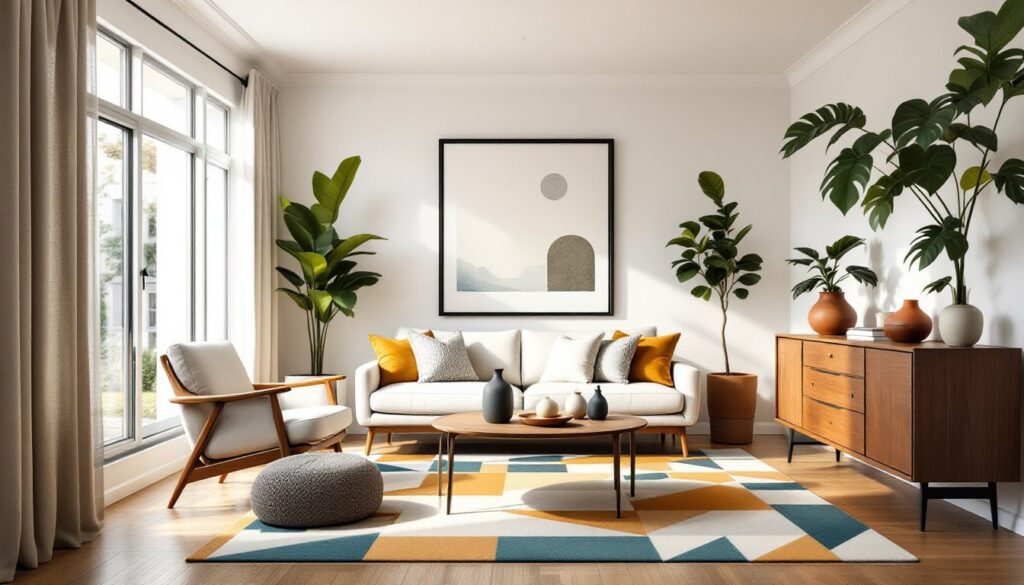
Living Rooms: This is where mid century modern decor shines. Start with a low-profile sofa in a neutral tone (gray, tan, or cream). Layer in a tapered-leg coffee table and a pair of accent chairs or a lounge chair. Add a wood credenza for storage and display. Window treatments should be minimal, simple roller shades or linen drapes in a solid color. Skip heavy curtain rods: use a sleek metal or wood rod in black or brass. A geometric area rug (abstract pattern, not florals) grounds the seating arrangement. Keep wall art minimal and impactful: perhaps a large abstract piece or a gallery cluster with clean frames. Plants in ceramic or ceramic planters bring organic softness.
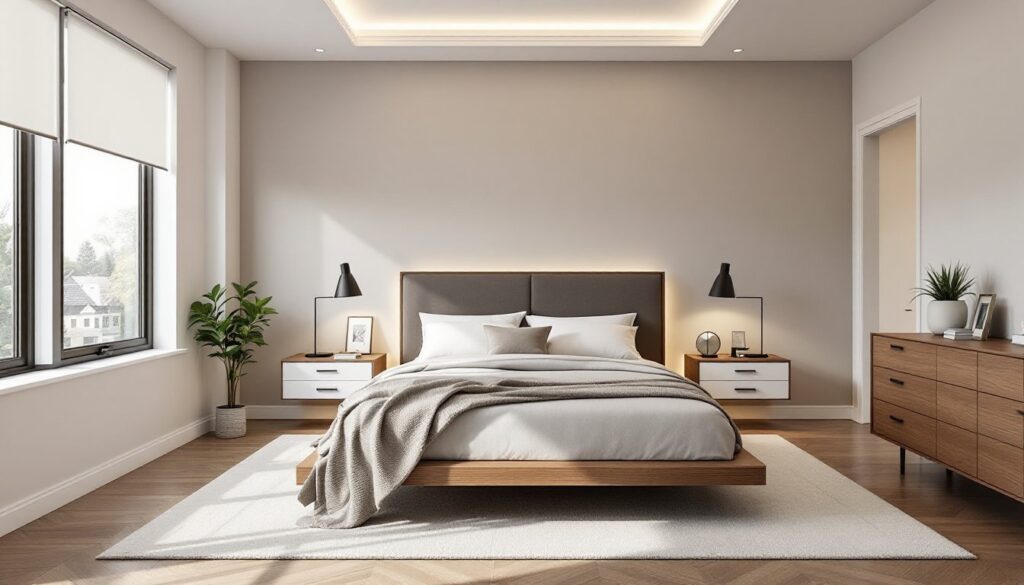
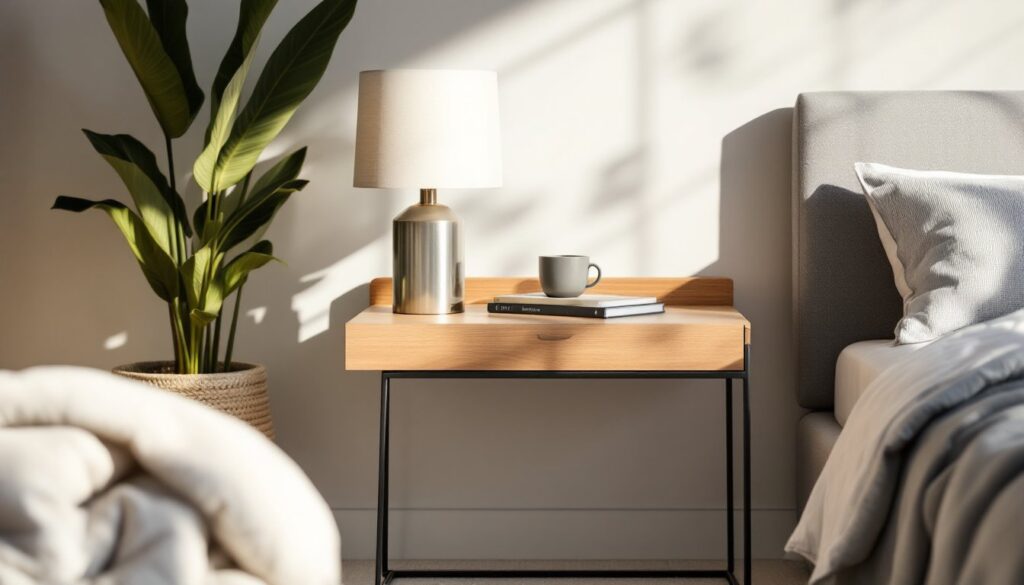
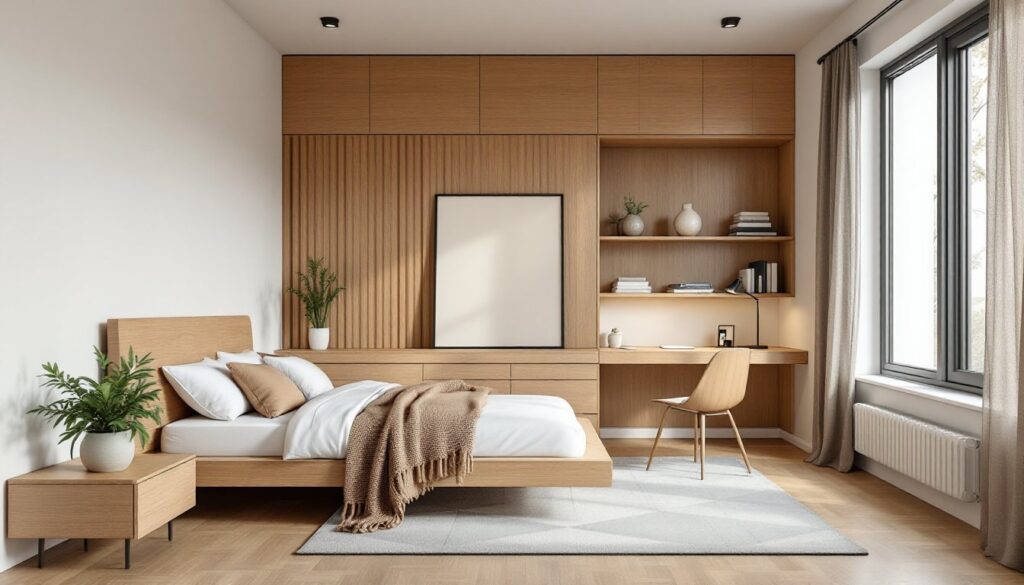
Bedrooms: The mid century modern bedroom prioritizes calm and function. A platform bed with a low headboard or no headboard at all is ideal. The frame can be walnut with metal accents, or simple wood slats. Nightstands should be compact, with one or two drawers and exposed legs. Bedding stays neutral and textured, linen sheets, a simple wool blanket, maybe a quilted throw in a subdued color. Skip the decorative pillow abundance: keep it to two or three. A small dresser or credenza handles storage. Lighting matters here: consider a pair of sculptural brass or ceramic lamps on the nightstands, and a floating shelf with a reading light for ambient mood.
Home Offices: A clean, functional workspace aligns perfectly with mid century modern principles. A simple desk in wood with tapered legs and minimal hardware is ideal. Pair it with an ergonomic chair that has a wood frame and mid-tone upholstery. Floating shelves or a wall-mounted credenza keep supplies organized without cluttering the desk surface. A small side table for reference materials maintains the open feel. Mid-century modern style guide for essential decor elements offers room-by-room inspiration. Task lighting with a sculptural ceramic or brass base adds both function and aesthetic appeal. Minimal accessories keep focus sharp, a small plant, a desk blotter in leather, perhaps a ceramic desk organizer.
Blending Mid Century Modern With Modern Living
The challenge most homeowners face is mixing mid century modern interior design with contemporary needs: flat-screen TVs, modern appliances, tech gadgets, and open-concept living. The solution isn’t to force vintage authenticity: it’s to apply mid century principles to modern items.
Televisions are the obvious friction point. Rather than hide it awkwardly, mount it on a clean, minimal console or credenza and treat it as part of the overall composition. A media console in walnut with tapered legs and hidden cable management preserves the aesthetic while accommodating modern equipment. Keep the console surface uncluttered: the TV, perhaps a small plant, and that’s it.
Open-concept living is actually compatible with mid century modern style. Use furniture (a sofa back, a credenza, a floating shelf) to define zones rather than walls. The sightlines remain clear, and each area maintains its own mid century anchors. A dining table that floats in the space between kitchen and living area works beautifully if it has proper proportions and exposed legs.
Small appliances belong hidden or on a sleek cart. If you use a coffee maker daily, keep it on a narrow rolling cart in a corner or tuck it into a cabinet. Don’t let countertops become storage for every gadget. This restraint is deeply mid century modern, form and function, nothing more.
Finally, personalization matters. Add family photos in simple frames, display a small collection of interesting books or ceramics, and let lived-in comfort trump perfection. A mid century modern home should feel warm and inhabited, not like a museum display. The aesthetic supports real life beautifully.