
Light academia interior design has quietly become one of the most approachable aesthetic movements for homeowners tired of cold minimalism or maximalist excess. It’s not about recreating a period room or committing to a single vintage era, it’s about crafting spaces that feel thoughtful, lived-in, and intellectually inviting. Think old libraries bathed in natural light, worn leather chairs, and shelves filled with books you’ve actually read. This style works especially well in older homes with good bones but translates beautifully to modern spaces when you focus on materials, light, and intentional layering. Whether you’re refreshing a single room or rethinking your entire layout, light academia offers a flexible framework that rewards careful choices over expensive overhauls.
Table of Contents
ToggleKey Takeaways
- Light academia interior design combines thoughtful curation with natural light and neutral palettes, emphasizing lived-in spaces over cold minimalism or excess.
- Choose warm neutral base colors like cream and off-white, pair them with natural materials like linen, wool, leather, and unfinished wood to create tactile, inviting rooms.
- Layering is essential to light academia—books, art, plants, and personal objects should feel curated rather than cluttered, with intentional visual breathing room throughout.
- Maximize natural light with sheer linen curtains and warm-toned lighting fixtures (2700K–3000K), avoiding harsh recessed cans or cool LED bulbs.
- Furniture should prioritize simple lines, visible craftsmanship, and comfort; prioritize solid wood pieces and distressed finishes that show character over sleek, contemporary styles.
- Budget-friendly DIY projects like floating shelves, refinished thrifted furniture, and gallery walls make light academia interior design achievable without expensive renovations.
What Is Light Academia Interior Design?
Light academia borrows from European university towns, vintage libraries, and early 20th-century intellectual spaces, but it emphasizes airiness and natural light over the darker, moodier palettes of traditional academic interiors. The aesthetic centers on neutral tones, cream, beige, soft taupe, warm white, with accents in muted gold, sage green, or faded terracotta.
Materials lean natural and tactile: linen upholstery, unfinished or lightly stained wood, plaster walls, and aged brass hardware. Surfaces show character, think visible wood grain, slightly worn leather, or hand-plastered texture rather than high-gloss finishes. The goal is to evoke a sense of history and thoughtfulness without feeling staged or overly precious.
Unlike minimalist trends that strip rooms down to essentials, light academia embraces layering. Books, art, plants, and personal objects aren’t clutter, they’re the point. But unlike maximalist styles, everything still has visual breathing room. You’re aiming for a curated collection, not a crowded one.
Essential Color Palettes and Materials
Start with a neutral base that reflects rather than absorbs light. Off-white or cream walls work better than pure white, which can feel sterile. If painting, look for warm undertones, Benjamin Moore’s “Swiss Coffee” or Sherwin-Williams’ “Alabaster” are solid starting points. Avoid cool grays: they clash with the warm woods and natural fibers central to this style.
For trim and millwork, consider a slightly darker cream or soft taupe instead of bright white. This subtle contrast adds depth without the harshness of stark white trim. If your home has original wood trim, a light stain or natural finish fits perfectly, don’t paint over it unless it’s damaged.
Flooring should be wood or wood-look. Light to medium oak, maple, or reclaimed pine all work. If you’re laying new flooring, engineered hardwood in a matte or satin finish (not high-gloss) offers durability and the right aesthetic. Luxury vinyl plank (LVP) in a wood-grain pattern is a budget-friendly alternative that holds up well in high-traffic areas.
For soft materials, prioritize linen, cotton, wool, and leather. Linen curtains in natural or off-white filter light beautifully. Wool area rugs in cream, oatmeal, or faded Persian patterns anchor seating areas. Leather should look lived-in, distressed or patina finishes beat shiny new upholstery every time. Many homeowners find inspiration in classical interior layouts that balance elegance with everyday function.
Creating a Light Academia Living Space
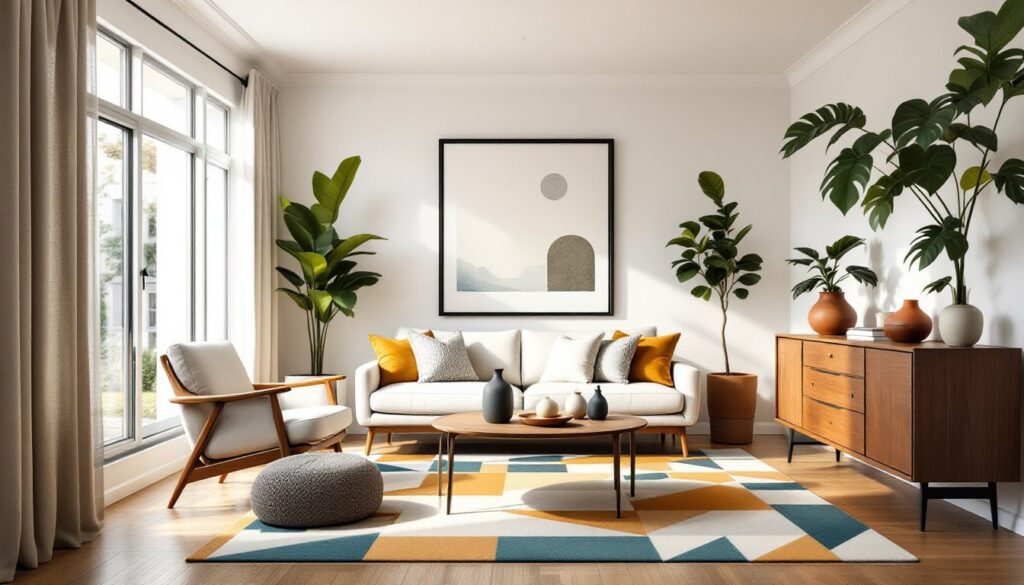
Living rooms should feel like places where people actually read, talk, and think, not just watch TV. Arrange seating to encourage conversation rather than theater-style rows facing a screen. If you have a fireplace, make it the focal point. If not, a large bookshelf or a gallery wall of framed art and maps can anchor the room.
Lighting is critical. Maximize natural light by using sheer linen curtains or leaving windows uncovered if privacy allows. Avoid heavy drapes in dark colors. For artificial lighting, skip recessed cans and opt for warm-toned bulbs (2700K–3000K) in table lamps, floor lamps, and wall sconces. Brass or aged bronze fixtures fit the aesthetic better than chrome or matte black.
Layering is key. A linen sofa, a wool throw, a leather ottoman, a jute rug, and wood side tables create visual and tactile variety without clashing. Stick to your neutral palette but vary textures and finishes.
Furniture Selection and Placement Tips
Choose furniture with simple lines and visible craftsmanship. Solid wood frames beat particleboard every time, even if you’re buying secondhand. Look for pieces with exposed joinery, turned legs, or carved details, subtle, not ornate.
For seating, prioritize comfort and durability. A linen or cotton-canvas sofa in cream or oatmeal anchors the room. Add a leather club chair or upholstered armchair in a complementary neutral. Avoid overly plush or sectional sofas: they read contemporary, not academic.
Coffee tables and side tables should be wood, reclaimed, distressed, or lightly stained. Avoid glass tops and metal bases. If you’re building your own, a simple pine or oak tabletop on tapered legs works beautifully. Use wood glue and pocket screws for joinery: finish with a matte polyurethane or tung oil for durability without shine.
Place furniture to define zones: a reading nook near a window, a conversation area around the fireplace, a writing desk against a wall. Don’t push everything against the walls, floating a sofa or bookshelf creates depth and flow.
Designing a Light Academia Study or Home Office
A dedicated study or office is where light academia really shines. This is the room where function and aesthetic align perfectly, every element has a purpose, and every purpose has a story.
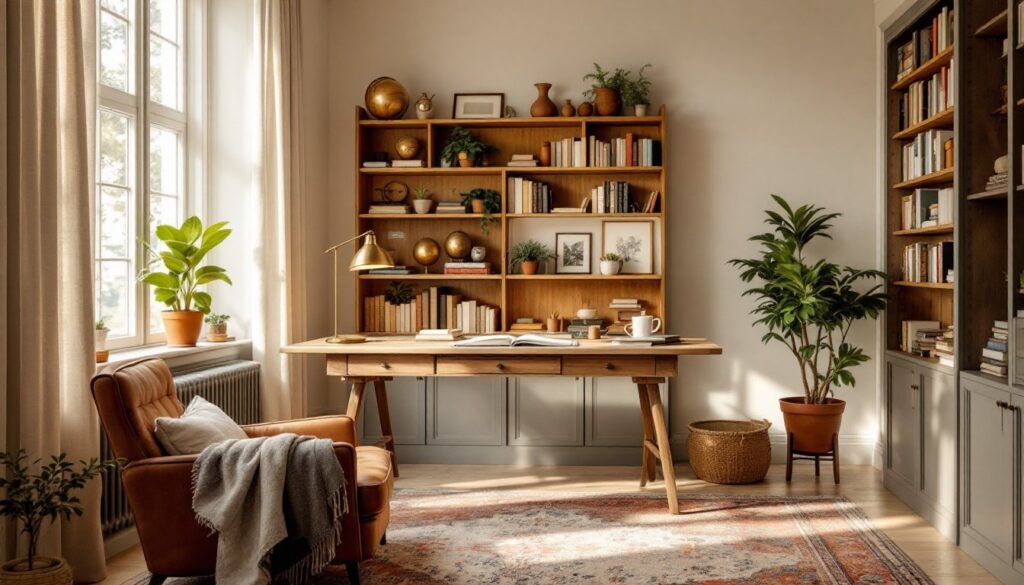
Start with the desk. A solid wood writing desk or a simple trestle table works better than a modern L-shaped workstation. Look for something with drawers or add a small filing cabinet in wood or aged metal. If space allows, place the desk perpendicular to a window for natural light without glare on your screen.
Built-in or freestanding bookshelves are non-negotiable. Floor-to-ceiling shelves in natural or painted wood maximize storage and create that library feel. If you’re building shelves, use 3/4-inch plywood or solid pine, with shelves no longer than 36 inches unsupported to prevent sagging. Adjustable shelving on metal pins or dado joints offers flexibility.
Fill shelves with books (obviously), but also vintage maps, framed botanical prints, small sculptures, or curiosities. Arrange by color or topic, whatever feels intentional. Leave some breathing room: overstuffed shelves lose their visual impact.
Task lighting is essential. A brass or bronze desk lamp with a warm bulb provides focused light for reading and writing. Add a floor lamp in the corner for ambient light. Avoid overhead fluorescents or cool LED strips.
For seating, a leather desk chair or a vintage wooden chair with a linen cushion fits the aesthetic. If you’re at the desk for hours, prioritize ergonomics, posture matters more than style. Consider a lumbar cushion if needed.
Wall treatments matter here. If you have plaster walls, keep them. If you’re working with drywall, consider adding picture rail molding or a chair rail for architectural interest. Paint in a warm neutral or, for a bolder move, a soft sage or muted terracotta on one accent wall. Professionals often reference thoughtful workspace design to balance aesthetics with productivity.
Decorative Elements That Bring the Aesthetic to Life
Decorative elements in light academia should feel collected over time, not bought in a single shopping trip. Think curation, not coordination.
Art and prints are foundational. Look for botanical illustrations, vintage maps, classical architecture sketches, or black-and-white photography. Frame them in simple wood or metal frames, nothing ornate. Gallery walls work well, but so does a single large piece over a sofa or desk.
Plants add life and softness. Potted greenery in terracotta or ceramic pots fits the aesthetic better than modern planters. Ferns, pothos, or snake plants thrive indoors with minimal fuss. Place them on shelves, windowsills, or floor stands.
Textiles layer warmth into the space. Linen throw pillows, wool blankets, and cotton table runners in neutral tones add texture without pattern overload. A faded Persian or Turkish rug grounds seating areas and adds subtle color.
Accessories should feel purposeful. Brass bookends, a vintage globe, ceramic vases, wooden trays, or stacked hardcover books all work. Avoid tchotchkes or anything overtly trendy. Every object should either serve a function or tell a story.
Candles in simple holders or antique-style candlesticks add ambiance. Stick to unscented or subtle scents, lavender, sandalwood, or beeswax.
Mirrors with wood or brass frames reflect light and open up smaller rooms. Place them opposite windows to maximize natural light. Avoid frameless or modern geometric mirrors.
DIY Projects to Achieve the Light Academia Look on a Budget
You don’t need a contractor or a trust fund to pull off this style. Several high-impact projects are well within DIY range if you’re comfortable with basic tools.
Build floating shelves. Use 3/4-inch pine or poplar boards cut to length. Attach with heavy-duty floating shelf brackets rated for the load you’re planning. Finish with a light stain or matte polyurethane. Total cost: $30–$60 for a 4-foot shelf, depending on wood grade.
Refinish existing furniture. Strip dark or damaged finishes with a chemical stripper (work outdoors or in a well-ventilated space: wear nitrile gloves and a respirator). Sand with 120-grit then 220-grit sandpaper, then apply a light stain or leave natural. Seal with a matte topcoat. This works beautifully on thrifted dressers, side tables, or chairs.
Make linen curtains. Buy linen fabric by the yard (you’ll need roughly 2x the width of your window for proper fullness). Hem the sides and bottom, add clip rings or rod pocket at the top. No sewing machine? Fabric glue or iron-on hem tape works for simple panels. Cost: $40–$80 per window, depending on linen quality.
Create a gallery wall. Thrift stores and estate sales are goldmines for vintage prints and frames. Mix frame styles but stick to wood tones or aged metals. Arrange on the floor first, then hang using picture-hanging wire and wall anchors if not hitting studs. Use a level to keep things straight.
Age new brass hardware. If you’re replacing cabinet pulls, light switches, or curtain rods and want an aged look, new brass can be darkened with a vinegar and salt solution. Submerge hardware for a few hours, rinse, and seal with clear lacquer to stop further oxidation. Wear gloves to avoid fingerprints.
Paint an accent wall. A single wall in soft sage, warm terracotta, or muted mustard can anchor a room without overwhelming it. Use a matte or eggshell finish, not satin or gloss. Prime first if covering a darker color. One gallon typically covers 350–400 square feet with two coats. For broader inspiration on modern yet timeless interiors, design enthusiasts often explore layered, textured spaces.
All of these projects require basic tools: a drill, level, tape measure, paintbrush or roller, and sandpaper. Invest in quality brushes for finish work, cheap brushes leave streaks and bristles.