
The 1990s were a wild ride for interiors, sponge-painted walls, hunter green everything, and enough brass and glass to stock a home goods warehouse. Fast-forward three decades, and what once felt dated is now back in rotation, filtered through a modern lens. Whether it’s nostalgia or a genuine appreciation for maximalism after years of stark minimalism, 90s interior design is having a serious moment. This guide walks through what made 90s interiors tick, how to cherry-pick the best elements, and, most importantly, how to bring them into your home without turning it into a time capsule. No need to commit fully: selective nods to the era can add warmth, color, and character that today’s all-white spaces often lack.
Table of Contents
ToggleKey Takeaways
- 90s interior design combines rich textures, bold colors, and warm materials that counter today’s minimalist trends when thoughtfully integrated into modern spaces.
- Iconic 90s elements like hunter green, brass fixtures, and jewel-tone upholstery work best as selective accents rather than whole-room commitments to avoid overwhelming contemporary homes.
- Entertainment centers, glass-top tables, and overstuffed seating can be modernized through refinishing, reupholstering, and pairing with cleaner contemporary pieces.
- Living rooms, kitchens, and bedrooms are ideal spaces for 90s interior design, where layered textures and saturated color palettes create personality without chaos.
- Avoid common pitfalls like matching furniture sets, oversized pieces in small spaces, and poorly executed faux finishes that make 90s design feel dated rather than curated.
What Defined 90s Interior Design?
The 90s sat at a crossroads between the pastel overload of the 80s and the rising sleekness of the early 2000s. It was an era before HGTV turned everyone into a flipper, so personal taste ruled, sometimes to chaotic effect.
Key characteristics included:
- Heavy wood furniture: Oak, pine, and cherry dominated. Entertainment centers were massive, often weighing 200+ pounds and requiring two people to move.
- Textured walls: Sponge painting, faux finishes, and chair rail molding (usually painted two-tone) were standard DIY weekend projects.
- Mixed metals: Brass and brushed nickel appeared side by side. Brass drawer pulls, towel bars, and light fixtures were everywhere, often paired with glass or mirrored accents.
- Layered window treatments: Valances, swags, mini-blinds, and sheers, all on the same window. The more fabric, the better.
- Bold patterns mixed with neutrals: Floral wallpaper borders, geometric area rugs, and solid-colored furniture created a visual tug-of-war.
It wasn’t minimal. It wasn’t cohesive by today’s standards. But it felt lived-in, personalized, and unapologetically comfortable.
Key Color Palettes of the 90s
Color in the 90s leaned earthy and saturated, with a few wildcard brights thrown in. Unlike the soft greiges dominating today, 90s palettes had heft.
Most common combinations:
- Hunter green + burgundy + gold: The go-to for formal spaces like dining rooms. Often paired with dark wood and heavy drapes.
- Mauve + dusty blue + cream: Softer, used in bedrooms and bathrooms. Think floral comforters and coordinating shower curtains.
- Teal + coral + purple: The “Saved by the Bell” palette. High-energy, often reserved for kids’ rooms or kitchens.
- Terra cotta + sage + mustard yellow: Southwest and Tuscan influences crept into suburban homes, especially in living room 90s interior design schemes.
- Primary brights on neutrals: Red, blue, yellow accents against beige walls and tan carpet. Memphis design’s last gasp before minimalism took over.
Paint finishes mattered too. Eggshell and satin were standard, not the flat matte preferred now. Trim was almost always semi-gloss white or cream, creating crisp contrast even in darker rooms.
If you’re pulling colors forward, consider using them as accents rather than wall-to-wall commitments. A hunter green accent wall or teal cabinetry reads retro without overwhelming a space.
Iconic 90s Furniture and Decor Elements
Furniture in the 90s prioritized function and visual weight. Pieces were solid, often oversized, and built to last, even if style didn’t.
Signature items:
- Entertainment centers: These floor-to-ceiling units housed TVs, VCRs, and CD collections. Solid wood construction, often with glass doors and interior lighting.
- Overstuffed sofas: Deep seats, rolled arms, floral or plaid upholstery. Comfortable but tough to move and clean.
- Wicker and rattan: Not just for patios. Wicker chairs, baskets, and shelving appeared in bathrooms, bedrooms, and sunrooms.
- Glass-top tables: Coffee tables and end tables with brass or black metal frames and thick tempered glass. Easy to clean but showed every fingerprint.
- Vertical blinds and mini-blinds: Aluminum or vinyl, usually white or beige. Functional but noisy and prone to breaking.
- Ceramic and porcelain decor: Figurines, vases, and decorative plates. Collectibles from brands like Precious Moments and Lladró filled shelves.
- Dried florals and silk arrangements: Real flowers were reserved for special occasions. Permanent arrangements in dusty mauve or burgundy sat on mantels and dining tables.
- Track lighting and torchiere lamps: Adjustable spotlights and tall floor lamps with halogen bulbs (hot enough to fry an egg).
To modernize these elements, focus on form over finish. A glass-top table works beautifully with updated metal in matte black or powder-coated color. Overstuffed seating can be reupholstered in contemporary fabric. Skip the dried flowers, use fresh greenery or sculptural branches instead.
How to Incorporate 90s Design Into Modern Spaces
The trick to pulling off 90s style in 2026 is curation. Don’t recreate a room wholesale, pull specific elements and pair them with cleaner, modern counterparts.
Practical integration strategies:
- Start with one statement piece: An oak entertainment center can be refinished or painted. Strip the orange-toned finish, sand to 220-grit, and apply a dark walnut stain or matte paint. Use it as a bookshelf or bar cabinet instead of media storage.
- Layer textures without the clutter: Bring back tactile variety, velvet cushions, a shag area rug, linen drapes, but keep the color palette restrained. A teal velvet sofa against white walls feels curated, not chaotic.
- Use brass selectively: Swap out builder-grade nickel hardware for unlacquered brass drawer pulls, faucets, or light fixtures. Brass develops a patina over time, adding warmth and character.
- Reintroduce color through cabinetry or built-ins: Paint a bookcase in hunter green or a kitchen island in terra cotta. It anchors the room without committing every wall.
- Mix wood tones intentionally: Pair a medium oak dining table with walnut chairs and a lighter maple sideboard. The 90s didn’t match everything, and neither should you, just keep undertones (warm vs. cool) consistent.
- Bring back window layers, thoughtfully: Skip the swags, but combine linen curtains with interior wooden shutters or woven shades for depth and light control.
Avoid trying to “ironically” recreate the era. The goal is to pull warmth, color, and personality into contemporary spaces, not to build a set for a sitcom reboot.
Rooms That Shine With 90s Style
Certain spaces lend themselves better to 90s elements, especially where comfort and nostalgia intersect.
Living Rooms
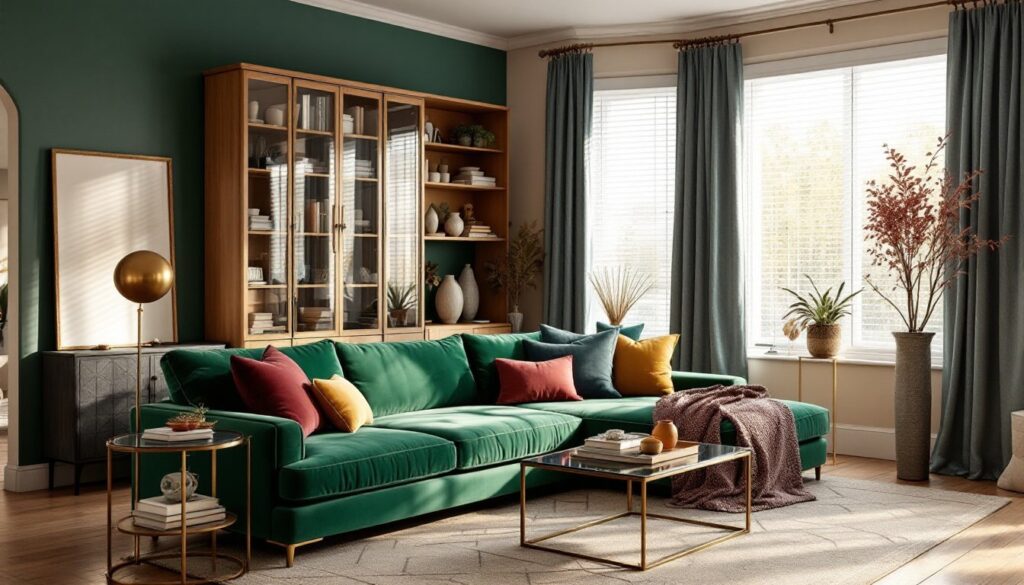
This is where 90s design thrives. Deep seating, layered lighting, and rich color work well in spaces meant for lounging. Consider:
- A jewel-tone sectional in emerald or sapphire velvet
- A glass and brass coffee table
- Layered rugs, a jute base with a patterned wool rug on top
- Brass picture frames and floor lamps
- Built-in shelving painted in a saturated color
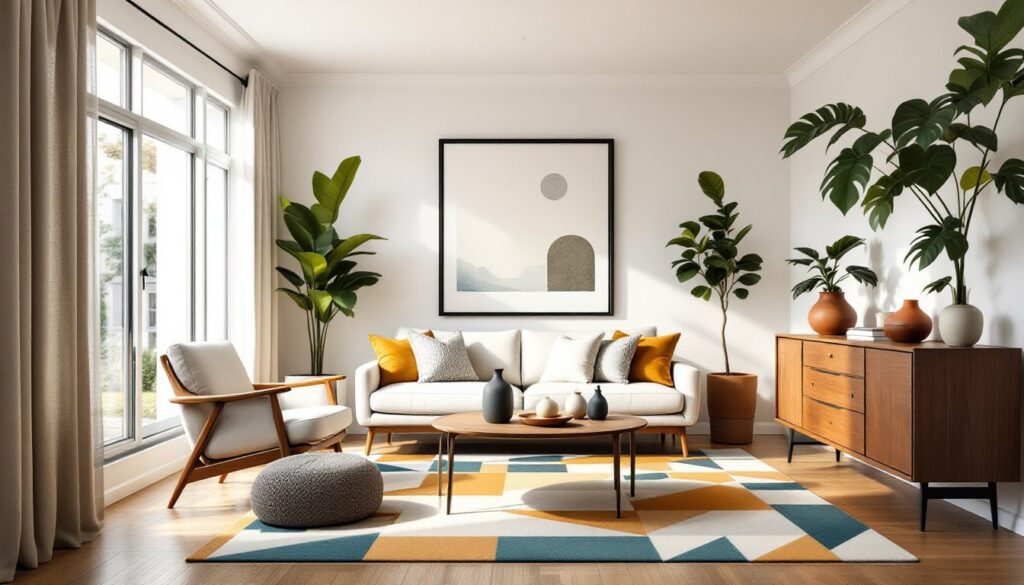
Living room 90s interior design often leaned formal, but you can loosen it up by mixing in casual textures like knit throws and unfinished wood.
Kitchens
While white kitchens dominate now, colorful cabinetry is making a comeback. Sage green or dusty blue cabinets with brass hardware and butcher block counters feel both retro and fresh. Patterned tile backsplashes in terra cotta, teal, or geometric black-and-white also nod to the era.
Skip the oak cabinets unless you’re ready to refinish them. Honey oak is tough to pull off without looking dated, but if you love the wood, strip and restain in a darker tone or seal with a clear matte finish.
Bathrooms
Bathrooms in the 90s were often mauve or hunter green with brass fixtures and floral wallpaper. Modern takes can include:
- Colorful vanity cabinets
- Unlacquered brass faucets and towel bars
- Patterned floor tile (encaustic or terrazzo)
- Vintage-style mirrors with brass frames
Avoid matching every fixture to the same finish. Mixing brass with matte black or aged bronze adds dimension. If your bathroom still has original 90s tile in good shape, work with it, pair mauve tile with modern white fixtures and brass accents rather than ripping everything out.
Bedrooms
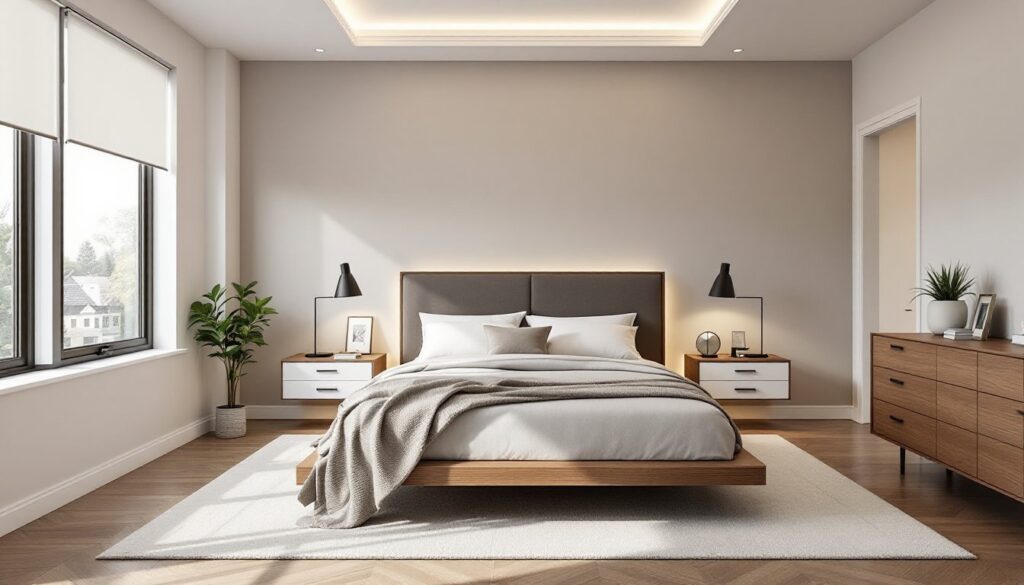
Layered bedding, upholstered headboards, and moody wall color define 90s bedrooms. Deep purple, teal, or burgundy accent walls paired with neutral bedding and wood furniture create a cozy, grounded feel. Add a wicker chair or rattan mirror for texture.
Common Mistakes to Avoid When Recreating 90s Interiors
Nostalgia can cloud judgment. Here’s what to skip or rethink:
Overdoing the matchy-matchy: The 90s loved coordinated sets, matching sofa, loveseat, and chair: bedroom furniture sold as a “suite.” Today’s interiors favor mixing periods and styles. Don’t buy everything from the same collection.
Ignoring scale: Oversized furniture worked in larger homes with formal layouts. In open-concept or smaller spaces, it eats up room and blocks flow. Measure doorways and walkways before committing to that massive armoire.
Skipping the edit: The 90s embraced clutter, knickknacks, wall art, throw pillows galore. Modern eyes read that as chaos. Curate carefully. One great brass lamp beats five mediocre ones.
Using orange-toned wood everywhere: Honey oak and pine were budget-friendly then but look dated now unless refinished. If you’re keeping oak trim or cabinets, balance them with cooler tones or darker accents to avoid a washed-out, monochrome look.
Faux finishes without skill: Sponge painting and ragging were popular DIY projects, but they require a light touch. Badly executed faux finishes look amateurish. If you want texture, consider limewash, Venetian plaster, or professional decorative painting instead.
Ignoring lighting updates: Torchiere lamps and track lighting were functional but harsh. Swap in dimmable LEDs, pendant lights, and layered sources (ambient, task, accent) for better control and mood. Keep the brass fixtures, but upgrade the bulbs and switches.
Pulling trends straight from design magazines without adaptation: What worked in a 90s suburban colonial might not translate to a modern loft or ranch. Consider your home’s architecture, natural light, and existing features before committing to bold color or heavy furniture.
Conclusion
The 90s offered warmth, color, and personality, qualities worth reviving after years of sterile minimalism. The key is selective integration: pull the textures, tones, and comfort without the clutter or coordination overload. Start small, a brass fixture here, a jewel-tone accent there, and build as you see what works in your space. Done right, 90s-inspired interiors feel lived-in and intentional, not like a theme park. And if you’re hunting for more design inspiration, look for projects that balance nostalgia with modern function.