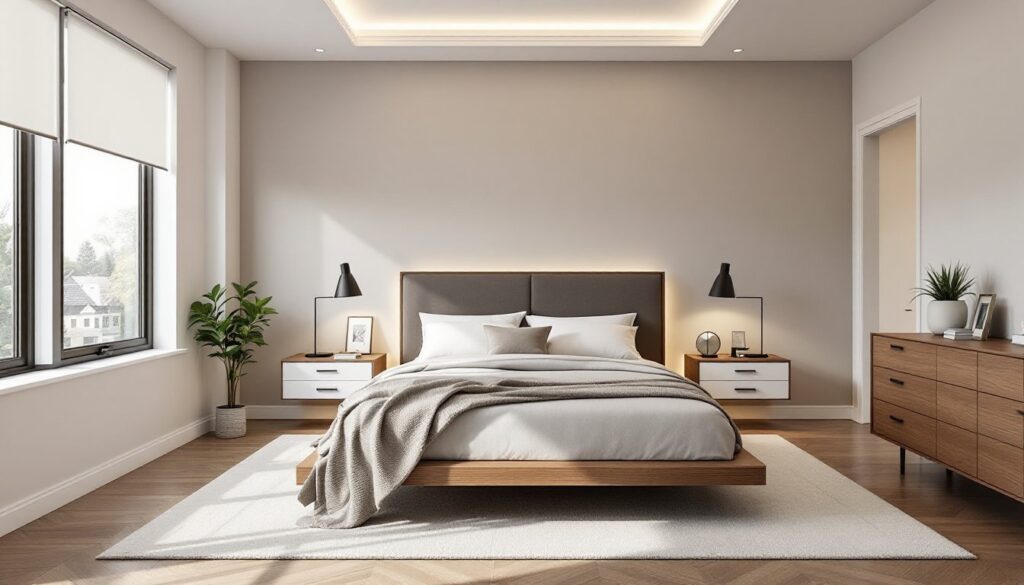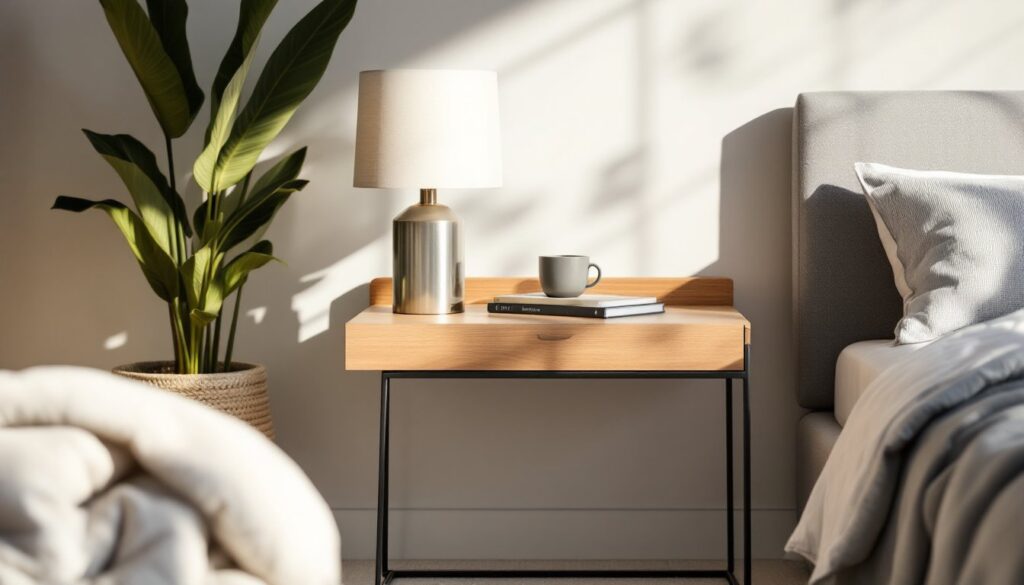

Looking back at 2015’s design landscape reveals more than just aesthetic preferences, it marks a pivotal shift in how homeowners approached their living spaces. That year introduced a deliberate blend of industrial grit and organic warmth, setting the stage for the design evolution we’re still experiencing today. From exposed brick backsplashes to brass pendant clusters, these trends weren’t just magazine fodder: they drove real renovation decisions in kitchens, living rooms, and bedrooms across the country. Understanding what defined 2015 helps DIYers recognize which elements have staying power and which ones belong firmly in the rearview mirror.
Table of Contents
ToggleKey Takeaways
- Interior design trends from 2015 blended industrial grit with organic warmth, establishing a foundation that continues to influence modern home design today.
- Industrial finishes like exposed brick, concrete countertops, and raw steel require proper maintenance and structural planning, with concrete needing resealing every 1-2 years and heavy fixtures requiring electrically-rated ceiling anchors.
- Mixed metallic accents and statement lighting moved beyond matching hardware, with oversized Edison bulb pendants and geometric fixtures becoming sculptural centerpieces that add character to functional spaces.
- Mid-century modern furniture’s comeback proved durable due to its functional appeal—tapered legs and low-profile designs maximize space efficiency, making it ideal for smaller homes and open floor plans.
- Nature-inspired palettes with warm neutrals, natural textures, and houseplants created calming spaces, though open shelving requires consistent maintenance and curation to prevent dust buildup and visual clutter.
- 2015 interior design trends that survived into 2026 are those balancing aesthetics with functionality—floating shelves, efficient LED statement lighting, and mixed materials remain practical investments that won’t feel dated.
The Rise of Industrial Chic and Raw Materials
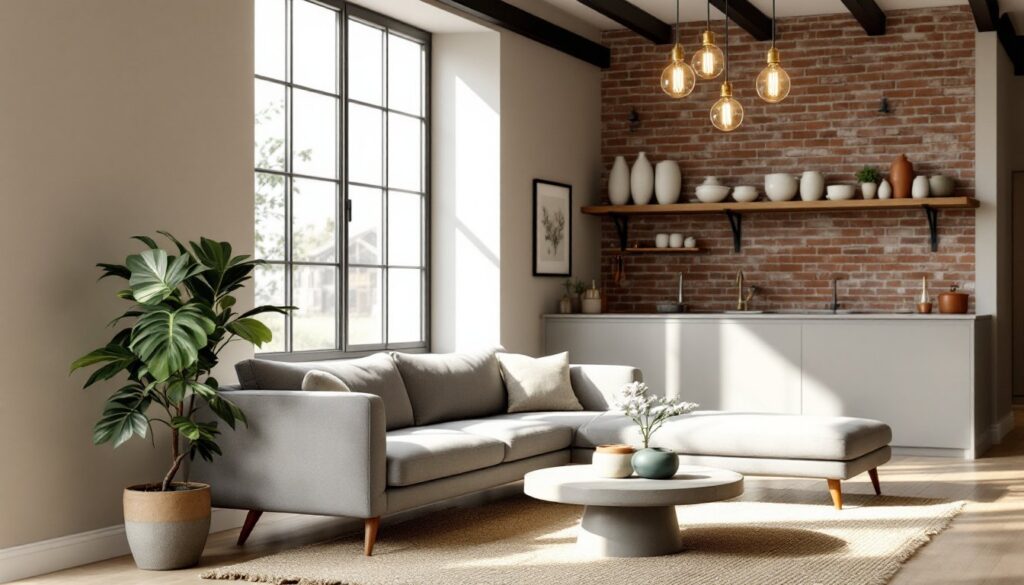
2015 saw industrial design move from urban lofts into suburban homes. Exposed brick walls, visible ductwork, and raw steel elements became aspirational finishes rather than construction shortcuts. Homeowners started leaving ceiling joists exposed in basements and kitchens, often coating them with matte black paint to highlight structural bones.
The material palette leaned hard on salvaged and unfinished surfaces. Concrete countertops gained traction as a DIY-friendly alternative to granite, though anyone who’s poured one knows they require careful sealing to prevent staining. Reclaimed wood became the go-to for accent walls and shelving, with weathered barn siding fetching premium prices at salvage yards.
From a practical standpoint, industrial finishes are forgiving. Scratches and patina add character rather than diminish value. But there’s a catch: exposed pipes and open shelving collect dust, and concrete surfaces need resealing every 1-2 years depending on use. If you’re retrofitting industrial elements into an existing home, make sure your structural framing can handle added weight, a steel beam shelf bracket needs solid blocking behind drywall, typically into studs at 16″ on center.
Bold Metallic Accents and Statement Lighting
Metallic finishes exploded in 2015, moving well beyond brushed nickel into warmer, more dramatic territory. Brass, copper, and matte gold fixtures appeared in kitchens, bathrooms, and dining rooms, often mixing multiple metal tones in one space, a departure from the old rule of matching all hardware.
Statement lighting became the jewelry of the room. Oversized pendant lights with Edison bulbs and exposed filaments hung over kitchen islands and dining tables, often in clusters of three or five. Geometric cage chandeliers and Sputnik-style fixtures brought sculptural interest to previously utilitarian spaces. These weren’t subtle choices, fixture diameters of 20-30 inches were common for standard 8-foot ceilings.
Installing these fixtures requires attention to electrical load. A multi-bulb chandelier with six 60-watt incandescents pulls significant amperage: LED equivalents reduce load and heat. Always check that your junction box is rated for the fixture weight, boxes rated for 50 pounds or more are necessary for heavy statement pieces. If you’re replacing a lightweight fixture with something substantial, you may need to install a ceiling fan-rated box anchored directly to a joist. This isn’t cosmetic work, improper mounting can lead to fixture failure or worse. When in doubt, consult an electrician, especially if you’re working with older wiring that may not meet current NEC standards.
The Return of Mid-Century Modern Furniture
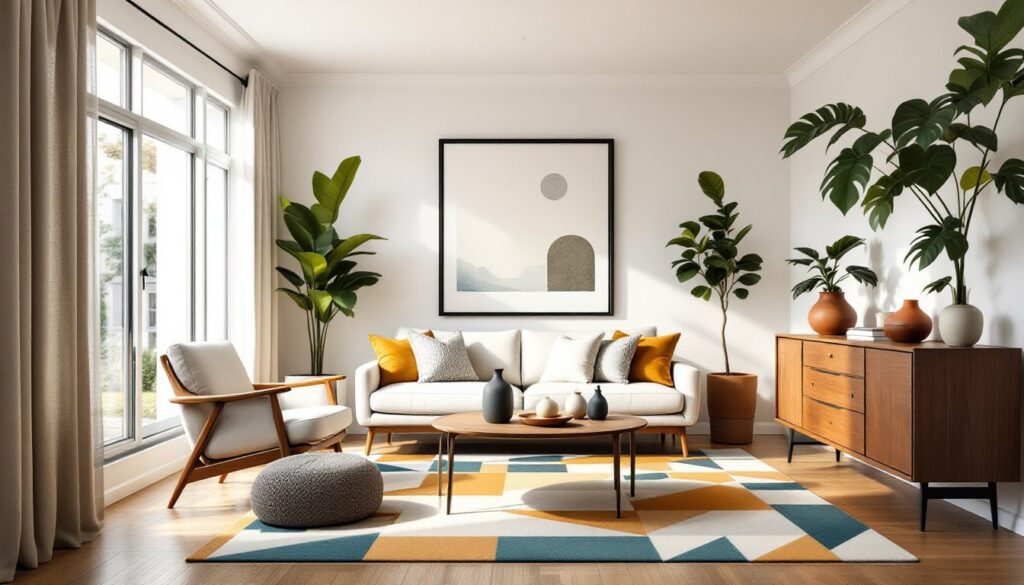
Mid-century modern furniture staged a major comeback in 2015, driven by clean lines, tapered legs, and walnut finishes. Homeowners hunted vintage Eames chairs and teak credenzas at estate sales, while retailers flooded the market with reproductions at varying quality levels.
The appeal was functional as well as aesthetic. Low-profile sofas and sideboards fit well in smaller homes and condos where space efficiency matters. Hairpin legs and splayed bases created visual lightness compared to bulky traditional furniture. The style also played nicely with open floor plans that were gaining traction in new construction and renovations.
If you’re sourcing vintage pieces, inspect joinery carefully. Quality mid-century furniture used mortise-and-tenon or dovetail joints, not just glue and staples. Check for veneer bubbling or delamination, repairable, but it affects value and effort. Reproductions vary wildly: solid wood frames beat particle board every time, even if the price point climbs. For DIYers building their own pieces, classic mid-century profiles are achievable with a table saw and router. Tapered legs require a jig but aren’t difficult once you’ve set the angle. Walnut plywood with edge banding gives an authentic look at a fraction of solid lumber costs.
Nature-Inspired Palettes and Organic Textures
2015 ushered in a softer counterbalance to industrial edges through nature-inspired color schemes and organic materials. Earthy neutrals, warm grays, taupes, soft greens, and terracotta, replaced the stark whites and cool grays of previous years. These palettes created calming, grounded spaces that felt less sterile.
Natural textures layered in through jute rugs, linen upholstery, and unfinished wood accents. Houseplants became functional decor, with fiddle-leaf figs and succulents appearing in nearly every staged room. Living walls and vertical gardens entered the conversation, though they require irrigation planning and proper waterproofing, not a weekend project.
Paint-wise, these warm neutrals have excellent staying power. A color like Agreeable Gray or Edgecomb Gray covers in two coats and pairs with both cool and warm accents. Standard coverage is roughly 350-400 square feet per gallon, so measure your room dimensions before buying. For texture, consider lime-washed or clay-based paints, they add depth but require more surface prep than standard latex. Natural fiber rugs are durable but show wear in high-traffic areas: use rug pads to prevent slipping and extend life. If you’re adding plants, factor in humidity and light requirements, not every room can support a fiddle-leaf fig without supplemental grow lights.
Open Shelving and Minimalist Storage Solutions
Open shelving took over kitchens and living rooms in 2015, replacing upper cabinets with floating shelves made from reclaimed wood or metal brackets. The look was airy and accessible, showcasing dishware and decor rather than hiding it. Design publications promoted the minimalist aesthetic, though the practical reality proved more demanding.
Installing floating shelves requires solid anchoring. For kitchens holding dishes and glassware, use heavy-duty brackets rated for at least 50 pounds per linear foot, mounted into studs or with toggle bolts into drywall. Shelf depth typically ranges from 10-14 inches for plates and bowls. Avoid particleboard or MDF in moisture-prone areas, solid wood or plywood with sealed edges holds up better near sinks.
The trade-off is maintenance. Open shelves collect grease, dust, and cooking residue, requiring regular cleaning. They also demand curation, clutter kills the aesthetic fast. If you’re removing upper cabinets, consider adding a tile or metal backsplash higher than standard (up to the ceiling, if possible) to protect walls and add visual interest. Floating shelves work well for displaying curated home decor items, but for everyday kitchen use, a mix of open and closed storage often proves more livable. Don’t gut functional cabinetry unless you’ve got a solid plan for where your mixing bowls and small appliances will live.
How 2015 Trends Continue to Influence Today’s Interiors
Many design directions from 2015 have proven remarkably durable. Industrial finishes evolved rather than disappeared, today’s interiors often soften raw steel with warmer woods and textiles. Mixed metals remain standard practice: matchy-matchy hardware feels dated by comparison. Mid-century furniture lines are still widely manufactured, and vintage pieces command strong resale value.
The biggest shifts came in color and maximalism. While 2015 favored neutral, pared-down spaces, more recent years have embraced bolder hues, pattern mixing, and layered textures. But the bones established in 2015, open shelving, statement lighting, natural materials, still form the foundation. Homeowners simply build more personality onto those frameworks now.
From a DIY perspective, the 2015 trends that stuck are the ones that balanced aesthetics with function. Interior design movements that required constant maintenance or sacrificed usability faded fast. Floating shelves survived because they’re genuinely useful when planned correctly. Exposed Edison bulbs gave way to more efficient LED filament versions that deliver the look without the heat and energy waste. If you’re renovating now, cherry-pick elements that solve real problems in your space rather than chasing a specific era’s aesthetic wholesale.
Conclusion
Revisiting 2015’s design trends offers more than nostalgia, it’s a practical lens for evaluating which updates hold value over time. The year’s emphasis on raw materials, warm metals, and functional minimalism created a foundation that’s still relevant in today’s homes. Whether you’re planning a renovation or simply refreshing a room, understanding these shifts helps you make choices that won’t feel dated in another decade.