
A modern bedroom should feel like a genuine retreat, a space that supports quality sleep and daily routines without unnecessary clutter or fuss. Unlike trendy design trends that fade quickly, modern bedroom design emphasizes simplicity, clean lines, and functional comfort that endure. The goal isn’t a showroom that intimidates you: it’s a calm, organized environment where form follows function. Whether you’re starting from scratch or refreshing an existing space, understanding the core principles of contemporary bedroom design helps you make confident choices about furniture, color, and layout that work for your lifestyle, not against it.
Table of Contents
ToggleKey Takeaways
- A modern bedroom setting emphasizes simplicity, clean lines, and functional comfort rather than trendy designs, creating a calm retreat that endures over time.
- Prioritize quality materials and multi-functional furniture with flat fronts and minimal hardware, avoiding ornate details that create visual clutter and mental noise.
- Use a neutral color base (white, greige, or soft gray) with one or two accent colors maximum to maintain a peaceful atmosphere while adding subtle personality.
- Layered lighting with overhead, task, and accent options—combined with dimmable warm white bulbs at 2700K—is essential for setting mood and supporting different daily routines.
- Incorporate restraint in accessories and decor; select one or two large art pieces, throw pillows in neutral tones, and carefully chosen objects to maintain the sanctuary feel of your modern bedroom setting.
Define Your Modern Bedroom Style
Modern bedroom design is built on a straightforward philosophy: less is more. It blends minimalism with warmth, rejecting ornamental excess while prioritizing materials that feel good and furniture that serves a purpose.
Modern design emphasizes clean lines, uncluttered layouts, and quality over quantity. Your goal is to create a retreat, not a storage unit. This means every item, from the nightstand to the throw pillow, should either serve a function or genuinely please the eye. Clutter creates mental noise, which works against the whole point of a bedroom.
The key is balance. A purely sterile minimalist approach can feel cold. Modern bedrooms work best when they combine streamlined forms with textural warmth through fabrics, wood, and thoughtful accents. Think of it as intentional simplicity rather than austere emptiness. The modern bedroom respects negative space, those quiet areas where nothing is placed, because open, breathing room is as important as what you fill it with.
Key Design Elements for a Contemporary Look
Several hallmarks define modern bedroom interior design. Start with the architectural bones: clean, straight lines in furniture and walls. Avoid ornate trim, heavy crown molding, or fussy details.
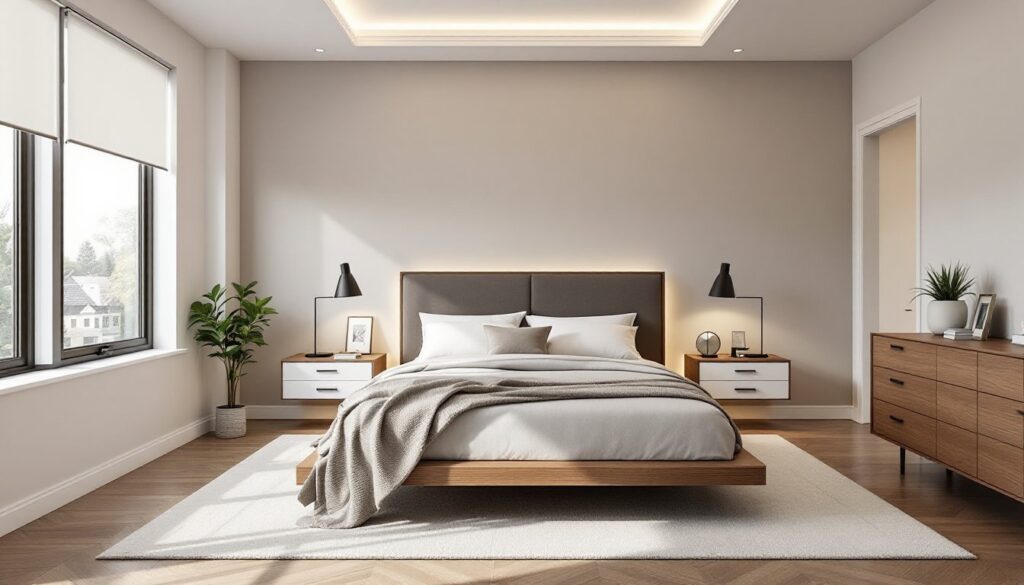
Furniture should feature flat fronts, simple hardware, and minimal embellishment. A platform bed or low-profile frame with a simple upholstered headboard works better than a carved wood showpiece. Nightstands and dressers should follow the same principle, streamlined profiles, neutral finishes.
Material variety adds visual depth without clutter. Mix natural wood, brushed metal, concrete, glass, and soft fabrics. A wood platform bed paired with matte black nightstands and a stone accent wall creates interest through contrast, not ornamentation. This material mixing is fundamental to modern design bedroom ideas that avoid feeling one-note.
Built-in storage, floating shelves, underbed drawers, integrated wardrobes, keeps belongings hidden without eating floor space. Negative space is your ally. Leave areas open and undecorated to let your eye rest.
Choosing the Right Color Palette
Color in modern interiors is restrained and purposeful. Start with a neutral base: white, off-white, greige, or soft gray. These foundation colors make the room feel larger and calmer.
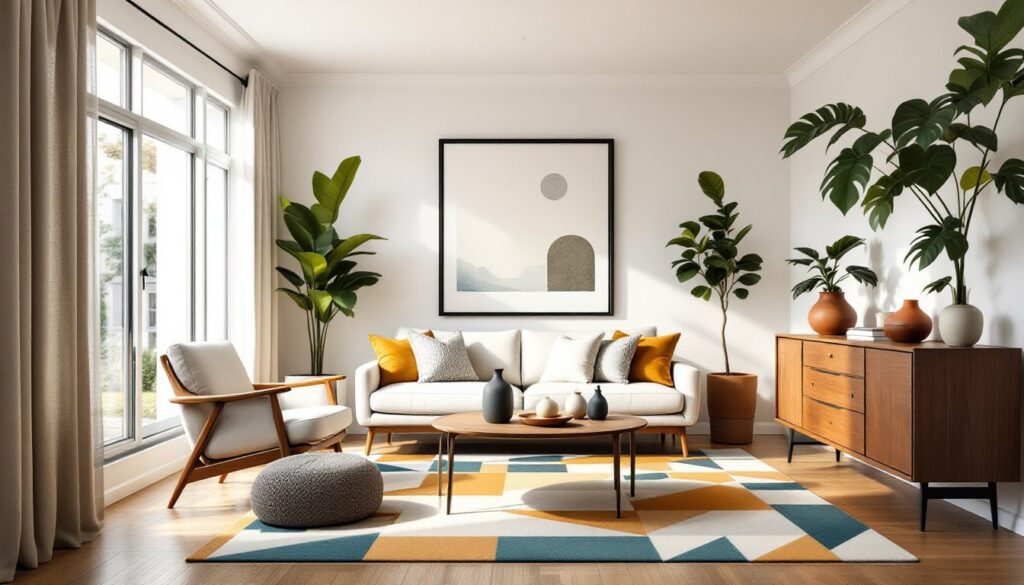
Accent colors should be limited, one or two maximum. Deep navy, charcoal, muted sage green, or terracotta work well because they’re sophisticated without being loud. Use darker tones for contrast: black picture frames, dark wood furniture, or a charcoal accent wall against light surroundings. This creates visual interest while maintaining cohesion.
Be sparing with color. A single accent wall or a few throw pillows in a muted tone provides personality without overwhelming the space. Remember, you’re aiming for a calm sanctuary, not a bold statement piece.
Furniture Selection and Layout
Your bed is the focal point. In a modern bedroom setting, it should command attention through clean form and quality materials, not fussy details. A platform bed or low-profile frame, preferably with an upholstered headboard in linen, leather, or suede, anchors the room. Avoid ornate carved frames or heavily skirted bases.
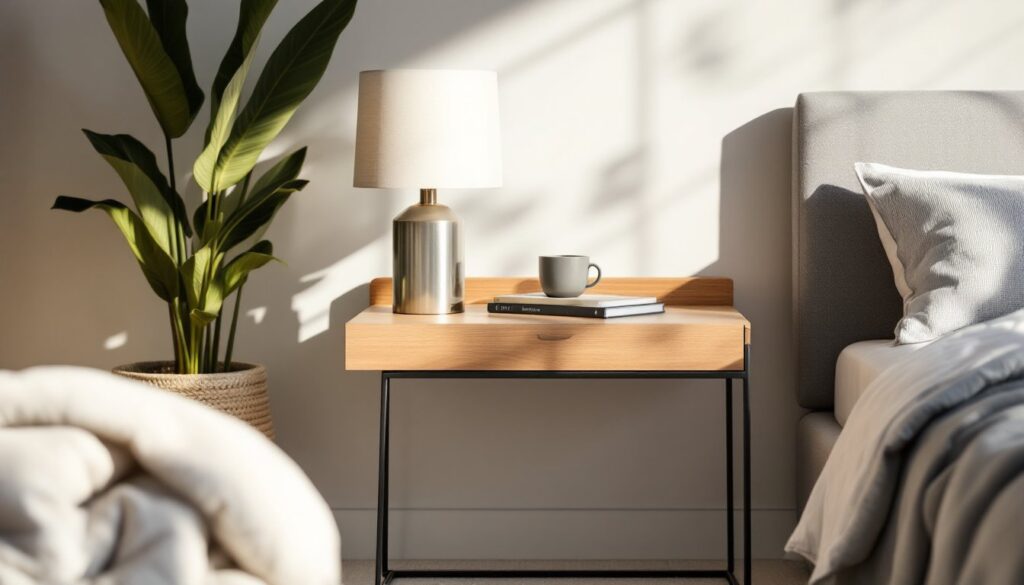
Nightstands and dressers should echo the bed’s aesthetic: flat-front, simple hardware, medium to dark wood or matte metal finishes. Floating nightstands save floor space and reinforce the lightweight, contemporary feel. If you choose traditional legs, keep them tapered and minimal.
Contemporary furniture design increasingly favors multifunctional pieces. A dresser with integrated workspace, a bed with under-drawer storage, or modular wardrobes reduce the number of items and keep the room uncluttered.
Layout matters for both aesthetics and function. Leave at least 2.5 feet of clear space around the bed for movement and visual breathing room. Ensure 3 feet in front of dressers and other furniture so you can open drawers and move freely. Avoid pushing all furniture against walls: floating the bed or angling a dresser creates a more intentional, designed feel.
When selecting pieces, prioritize stability and finish quality over trendy styles. Matte or brushed metal finishes age better than high-gloss, and mid-tone wood, walnut, ash, or oak, provides warmth without being heavy.
Lighting and Ambiance
Modern bedrooms succeed or fail based on lighting. Poor lighting either makes the space feel institutional or creates harsh shadows. Layered lighting is essential: overhead, task, and accent.
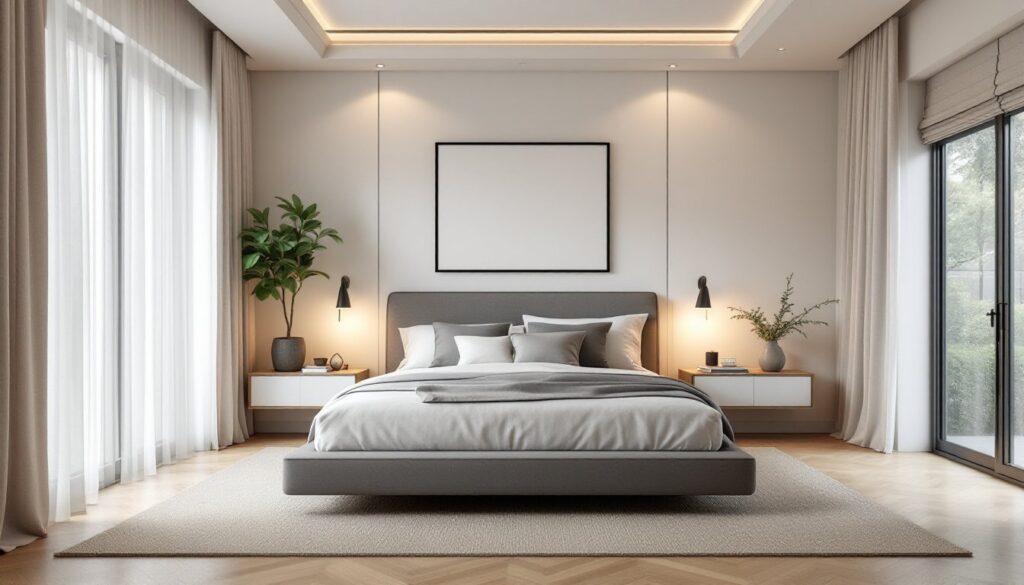
Start with a ceiling fixture (recessed lights, a simple pendant, or a linear track) that you can control separately. Add bedside lamps or wall-mounted reading sconces flanking the bed for task lighting. An LED accent strip behind the headboard or under floating shelves adds visual interest and mood control without taking up space.
Dimmable controls, whether through smart bulbs, switches, or a remote, let you adjust ambiance for evening wind-down versus morning routine. Warm white (2700K) bulbs create calm: cooler tones (4000K) feel more energizing for morning routines.
Window treatments should maximize natural light by day while providing blackout capability for sleep. Sheer linen curtains paired with blackout roman shades or roller shades give you flexibility. Dark, heavy drapes feel dated in modern spaces: a sleek roller shade or minimalist panel works better.
Modern interior design ideas consistently emphasize the psychological impact of lighting and how it shapes mood and functionality.
Adding Personality With Decor and Accessories
At this point, you have a clean, functional modern bedroom. Now comes restraint: adding personality without undoing your work.
Art should be minimal and intentional. One or two large pieces, a black-and-white photograph, an abstract work, or a architectural print, outperform a gallery wall. A large mirror serves both aesthetic and practical purposes, reflecting light and making the space feel larger.
Texture softens modern spaces. Quality bedding, linen, cotton, or linen-blend, with subtle texture matters more than color. Throw pillows in neutral or muted tones (two or three maximum) add comfort without visual chaos. A simple wool or natural fiber area rug defines the bed zone while adding warmth.
Live or artificial plants bring softness and air-purifying benefits without requiring much space. A single potted plant or small grouping on a shelf or nightstand works: avoid overdoing it. Same principle applies to objects: one beautiful wooden bowl, a carefully selected book stack, or a sculptural bedside object beats a cluttered nightstand.
Modern bedroom design ideas highlight the power of restraint in personal accessories. Each item should contribute to calm, not distract from it. If you’re not sure whether something belongs, it probably doesn’t.
Conclusion
A modern bedroom combines streamlined furniture, a restrained color palette, layered lighting, and smart storage to create a functional, visually calm retreat. The beauty of this approach is its longevity, clean lines and quality materials don’t feel dated next season. Start with the fundamentals: a quality bed, neutral base colors, and intentional layout. Layer in lighting and thoughtful accents. Every choice you make should serve rest, routine, or genuine enjoyment. That restraint, not overcomplicated decoration, is what makes modern bedrooms feel like true sanctuaries.