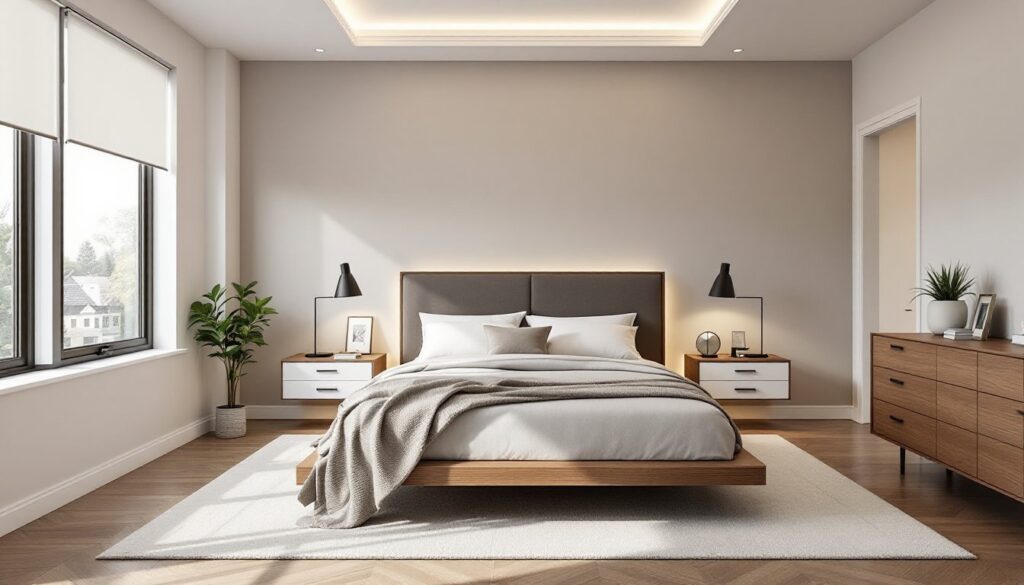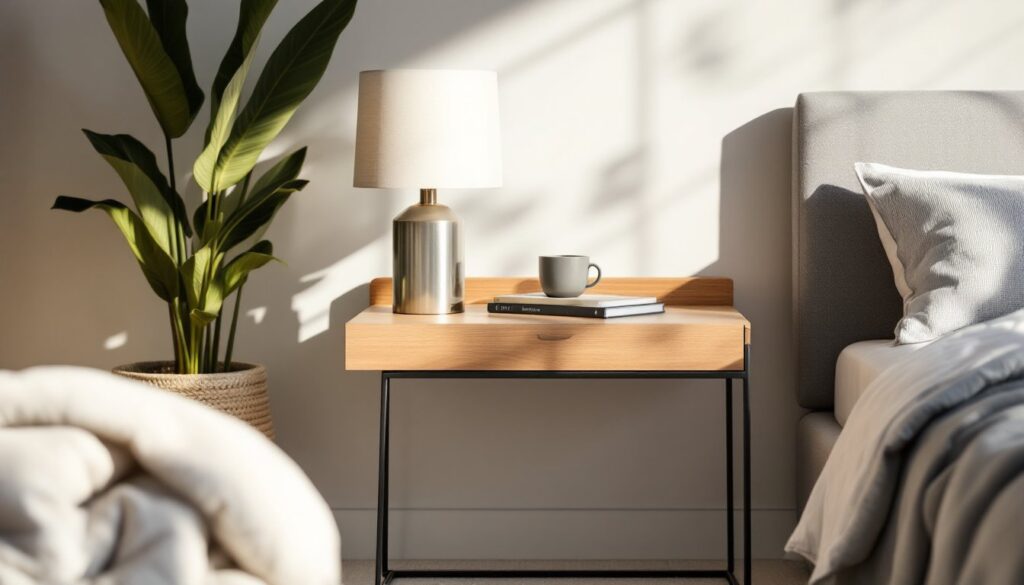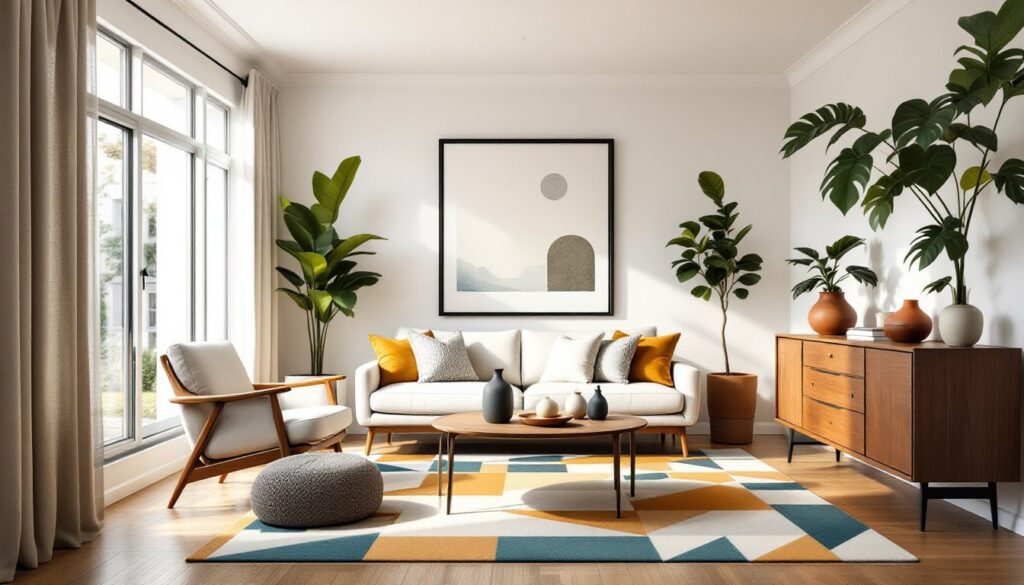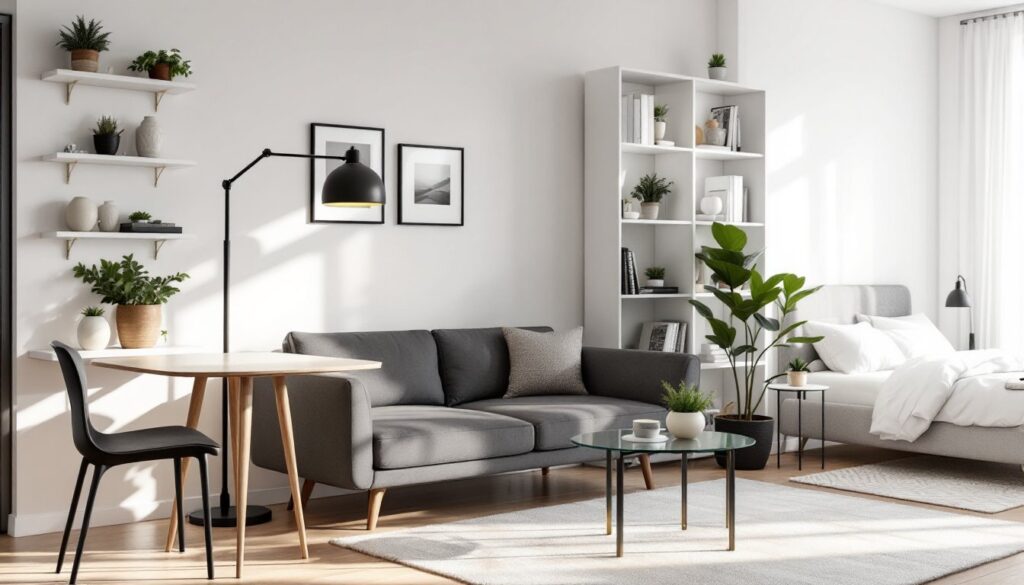

Apartment living doesn’t mean settling for cramped quarters or cookie-cutter interiors. Whether you’re working with a studio, a one-bedroom, or a sprawling loft, smart design choices can maximize every square foot while reflecting your personal style. The trick is balancing aesthetics with function, especially when you can’t knock down walls or rewire lighting without landlord approval. This guide walks through proven strategies for furniture placement, color selection, storage, lighting, and DIY upgrades that work within lease restrictions and typical apartment layouts.
Table of Contents
ToggleKey Takeaways
- Smart apartment interior design ideas prioritize furniture with exposed legs and multi-function pieces to maximize small spaces and improve visual flow.
- Use area rugs, open shelving, and strategic lighting to create distinct zones in open-plan apartments without permanent walls or renovations.
- Light, neutral color schemes combined with reflective surfaces and properly positioned mirrors make apartments feel larger while maintaining character and style.
- Storage solutions like floating shelves and pegboards should double as design features to avoid cluttering your apartment’s aesthetic while staying organized.
- Renter-friendly DIY upgrades including peel-and-stick wallpaper, removable floor tiles, and hardware swaps add personality without forfeiting your security deposit.
Maximizing Small Spaces with Smart Furniture Choices
Furniture scale makes or breaks a small apartment. Oversized sectionals and bulky armoires eat up floor space and make rooms feel claustrophobic. Instead, prioritize pieces with exposed legs, sofas, chairs, and tables that lift off the floor create visual breathing room and make cleaning easier.
Multi-function furniture is non-negotiable in tight quarters. A sofa bed handles overnight guests without sacrificing a separate guest room. Nesting tables tuck away when not in use. Ottomans with internal storage hold throw blankets, magazines, or board games while serving as extra seating or a footrest.
Measure doorways, hallways, and room dimensions before buying anything. A 68-inch sofa might look perfect online, but if your apartment door is only 30 inches wide and the stairwell doesn’t allow for tilting, you’ll be stuck disassembling it in the hallway. Most furniture retailers list shipping dimensions and assembled dimensions, check both.
Wall-mounted desks and fold-down dining tables free up floor space when not in use. Floating shelves replace floor-standing bookcases. If you’re renting, use hollow-wall anchors rated for the load (most shelves need anchors rated for at least 50 pounds per pair) and fill the holes with spackle before moving out.
Avoid furniture sets that force you into a single style. Mix materials, wood, metal, glass, to add depth without clutter. A glass coffee table keeps sightlines open, while a solid wood dining table anchors the space.
Creating Zones in Open-Plan Apartments
Open floor plans are common in modern apartments, but without walls, spaces blur together. Defining zones for sleeping, eating, working, and relaxing keeps the layout functional and visually organized.
Area rugs are the simplest zone markers. A 5×7 or 8×10 rug under the dining table signals “this is the eating area,” while a separate rug under the sofa anchors the living zone. Make sure rugs are large enough, front furniture legs should sit on the rug, not hover at the edge.
Bookshelf room dividers offer separation without blocking light. A 72-inch-tall open-back bookcase creates a visual break between the bedroom and living area while providing storage on both sides. Avoid solid-back units unless you want full privacy: open shelves keep the space feeling connected.
Furniture placement also defines zones. Float the sofa in the middle of the room with the back facing the dining area, rather than pushing everything against the walls. This creates an intentional living area and makes the apartment feel larger, not smaller.
Consistent lighting within each zone reinforces boundaries. A pendant light over the dining table, a floor lamp by the sofa, and a desk lamp in the work area all signal different functions. Dimmer switches (if allowed by your lease) let you adjust mood and energy use without replacing fixtures.
Paint or peel-and-stick wallpaper can also mark zones, though many leases restrict this. If permitted, an accent wall behind the bed or a bold color in the dining nook adds definition. Always test removable wallpaper on a small section first, some products leave residue on certain paint finishes.
Color Schemes That Make Apartments Feel Larger
Light, neutral colors reflect natural light and make walls recede, which is why builder-grade apartments default to white or beige. But “light” doesn’t mean “boring.” Soft grays, warm taupes, pale blues, and greens all open up a room while adding character.
Monochromatic schemes, varying shades of one color, create visual continuity. A living room with light gray walls, charcoal sofa, and silver-gray rug feels cohesive and spacious. High contrast (dark walls, white trim) can work in large rooms but tends to chop up smaller spaces.
If your lease forbids painting, use color in textiles, art, and accessories. Swap throw pillows seasonally, hang large-scale art, or layer rugs to introduce pattern without permanence. Peel-and-stick wallpaper in muted tones adds texture without the commitment of traditional wallpaper.
Cool tones (blues, greens, soft purples) recede visually, making rooms feel airier. Warm tones (reds, oranges, yellows) advance and can make a large, impersonal apartment feel cozier. Balance is key, an all-cool palette can feel sterile, while too much warmth feels cramped.
Glossy or satin-finish paint reflects more light than flat finishes, which helps in dim apartments. If you can’t paint, choose furniture and decor with reflective surfaces, glass, polished metal, lacquered wood, to bounce light around. Mirrors are the oldest trick in the book, but they work: a 36×48-inch mirror opposite a window effectively doubles natural light.
Storage Solutions That Double as Design Features
Apartments rarely have enough closet space, so visible storage needs to look intentional. Open shelving, floating credenzas, and pegboards turn necessities into focal points.
Floating shelves install with hidden brackets and provide display space without the bulk of floor-standing units. Use 16-inch or 24-inch on-center stud spacing for mounting: drywall anchors alone won’t hold books or dishware long-term. A stud finder (under $15 at any hardware store) is essential.
Pegboard walls organize tools, kitchen utensils, or craft supplies while adding graphic interest. Paint the pegboard to match or contrast with the wall. Standard pegboard comes in 4×8-foot sheets at home centers: cut it down with a circular saw or have the store cut it for you. Attach it with 1×2 furring strips behind the board so hooks have room to insert.
Storage benches in entryways or at the foot of the bed hide shoes, linens, or out-of-season clothes. Look for benches with lift-top lids and soft-close hinges to avoid pinched fingers. If building one, a simple 2×4 frame with a plywood top and piano hinge makes a sturdy, customizable piece.
Kitchen and bathroom storage often bottleneck apartment living. Stackable bins, lazy Susans, and drawer dividers maximize cabinet space. Under-sink organizers work around plumbing. Tension rods mounted vertically in cabinets create slots for baking sheets and cutting boards.
Many homeowners find creative storage ideas that blend form and function, from vintage trunks to modular wall systems. The goal is storage that doesn’t announce itself as “clutter management” but feels like part of the design.
Lighting Strategies for Every Room
Most apartments come with builder-grade overhead fixtures, a single ceiling dome in each room. That’s inadequate for tasks, ambiance, and eye comfort. Layered lighting (ambient, task, accent) makes apartments livable and attractive.
Ambient lighting is the overall illumination. If you can’t replace ceiling fixtures, use torchieres or floor lamps with upward-facing shades to bounce light off the ceiling. A 100-watt-equivalent LED bulb in a floor lamp provides about 1600 lumens, enough for general lighting in a 150-square-foot room.
Task lighting focuses on specific activities: reading, cooking, grooming. Adjustable desk lamps, under-cabinet LED strips (battery-operated or plug-in if hardwiring isn’t allowed), and swing-arm wall sconces all work in rentals. Look for color temperature around 3000K for warm white that doesn’t strain eyes during close work.
Accent lighting highlights art, plants, or architectural features. Picture lights, LED strip lights behind shelves, or small spotlights add drama without occupying floor space. Battery-operated puck lights work for renters who can’t install wiring.
Dimmers aren’t usually renter-friendly unless you swap back before moving out, but smart bulbs offer dimming via app without touching the switch. Brands like Philips Hue, LIFX, and Wyze make bulbs that fit standard sockets and adjust brightness and color temperature on command.
Natural light is free but underused. Keep window treatments light and simple, sheer curtains or cellular shades filter light without blocking it. Mount curtain rods close to the ceiling and extend them several inches beyond the window frame to make windows look larger and let in maximum daylight.
Budget-Friendly DIY Projects to Personalize Your Apartment
Rentals often come with bland finishes, but temporary upgrades can add personality without forfeiting your security deposit. Always check your lease for restrictions on paint, adhesives, and hardware installation.
Peel-and-stick wallpaper transforms accent walls, backsplashes, or closet interiors. Quality matters, cheap versions peel prematurely or leave residue. Test a small section for 48 hours before committing to a full wall. Brands like Tempaper and RoomMates are designed for renters.
Removable vinyl floor tiles update dingy kitchens and bathrooms without permanent adhesive. Clean the existing floor thoroughly (grease and dust prevent adhesion), then lay tiles starting from the center of the room and working outward. A utility knife and straightedge are all you need for cuts around cabinets and doorways.
Custom shelving from pre-finished pine boards and brackets takes an afternoon. Sand any rough edges, apply a coat of polyurethane or paint if desired, then mount with screws into studs. A single 1×10 board (actual dimensions 3/4 × 9-1/4 inches) cut to 48 inches makes a solid floating shelf for under $15.
Many renters explore modern design projects that emphasize clean lines and functionality, adapting ideas to fit lease constraints. Paint sample boards in various colors and lean them against walls for a gallery effect, no nails required.
Hardware swaps make a big impact for little cost. Replace builder-grade cabinet knobs and drawer pulls with brushed brass or matte black versions. Keep the originals in a labeled bag to reinstall before moving out. Most knobs use a single screw: most pulls use two screws on 3-inch or 96mm centers (measure before buying).
Textile projects, DIY throw pillow covers, curtain panels from fabric remnants, or a macramé wall hanging, add warmth and color without tools. A basic sewing machine handles pillow covers and hems, but fabric glue or iron-on hem tape works for no-sew options.
Plants improve air quality and aesthetics. Build a simple plant stand from 2×2 lumber and wood screws, or repurpose a vintage ladder as a multi-tier planter. If your apartment is dim, choose low-light plants like pothos, snake plants, or ZZ plants. High-light succulents and fiddle-leaf figs need south-facing windows to thrive.
Art galleries often share inspiring interior layouts that demonstrate how strategic decor choices, whether DIY or curated, can unify a space. The key is selecting projects that reflect personal style while respecting lease terms and keeping future move-out manageable.
Conclusion
Apartment design is about working smart within constraints, limited square footage, lease restrictions, and often tight budgets. Prioritize furniture that scales appropriately and serves multiple functions. Use color, lighting, and zoning to carve out distinct areas without permanent construction. Invest in storage that doubles as decor, and don’t shy away from DIY upgrades that are reversible. With intentional choices, any apartment can feel custom, not cookie-cutter.