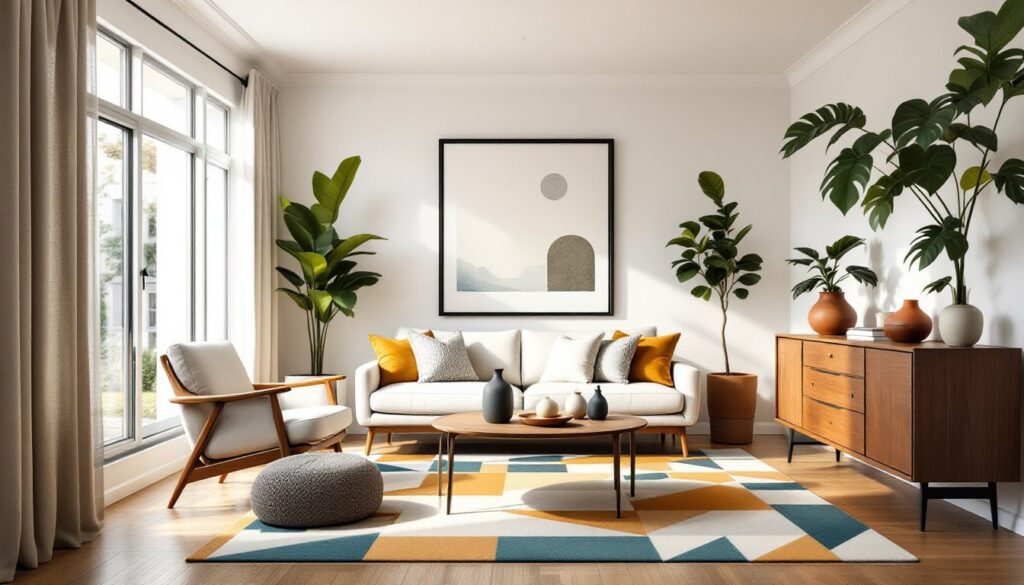

Coastal grandma isn’t about buying shells in bulk or forcing nautical clichés into every corner. It’s a grown-up, lived-in approach to coastal style, think Nancy Meyers movie sets, not boardwalk gift shops. This aesthetic blends soft neutrals, natural textures, and classic furnishings into spaces that feel collected over time, not assembled from a catalog. It’s comfortable enough for daily life but polished enough to photograph well. Whether renovating a beach cottage or bringing seaside calm to a landlocked suburban home, the coastal grandma look prioritizes quality materials, subtle layering, and a refusal to take design too seriously. Here’s how to pull it off without the lifestyle fluff.
Table of Contents
ToggleKey Takeaways
- Coastal grandma style prioritizes quality, timeless pieces and natural materials like linen, rattan, and whitewashed wood over trendy statement pieces, creating a lived-in aesthetic inspired by East Coast beach towns.
- The signature color palette uses warm whites, soft blues, sandy beiges, and weathered grays with accent colors drawn from nature—avoid bright turquoise or tropical hues unless aiming for a different coastal vibe.
- Essential furniture includes slipcovered sofas, wicker or rattan pieces, simple farmhouse tables, and whitewashed dressers that age gracefully and can be updated affordably through thrifting and DIY refinishing.
- Transform kitchens and bathrooms by swapping hardware, painting cabinets in soft hues, installing open shelving for blue-and-white ceramics, and replacing plastic accessories with woven baskets and ceramic pieces.
- DIY-friendly updates like painting trim in warm white, creating custom slipcovers with fabric sourced directly, and hunting for vintage finds at estate sales can cut design costs in half while maintaining the style’s authentic, collected-over-time appeal.
What Is Coastal Grandma Style?
Coastal grandma style is a design framework rooted in the unpretentious elegance of East Coast beach towns, Nantucket, Cape Cod, the Hamptons. It borrows from traditional New England interiors but skips the fussiness. The palette stays neutral and soft. Furnishings lean toward timeless silhouettes rather than trendy statement pieces. Natural materials, linen, jute, rattan, whitewashed oak, dominate.
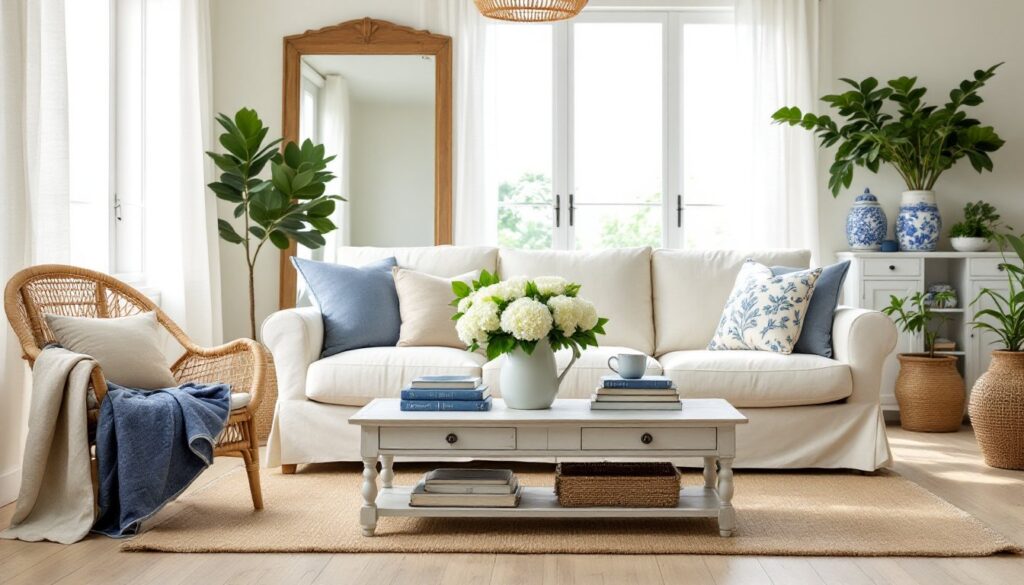
Unlike minimalist coastal styles that strip rooms down to white walls and driftwood, coastal grandma layers thoughtfully. A linen slipcover sofa sits next to a vintage wicker chair. Blue-and-white ceramics fill open shelving. Fresh hydrangeas rest in a ceramic pitcher on the kitchen island. There’s always a quilt folded over the arm of a reading chair.
This isn’t a style that demands perfection. Surfaces show gentle wear. Paint finishes can be matte and slightly uneven. The goal is a home that looks like it’s been loved and lived in for decades, even if you’re starting from scratch. It’s also forgiving for DIYers, many elements can be thrifted, painted, or built with basic carpentry skills.
Key Elements of Coastal Grandma Interior Design
Color Palettes That Define the Look
The coastal grandma palette revolves around creamy whites, soft blues, sandy beiges, and warm grays. It’s not stark, these are colors with undertones. Benjamin Moore’s White Dove, Sherwin-Williams’ Sea Salt, and Farrow & Ball’s Pointing are popular choices because they shift slightly in natural light, adding depth without color saturation.
Accent colors come from nature: denim blue, sage green, buttery yellow, and weathered navy. These show up in textiles, throw pillows, quilts, dish towels, and in ceramics or pottery. Avoid bright turquoise or coral unless you’re aiming for a more tropical coastal vibe, which is a different animal.
Wood tones stay light and cool. Whitewashed pine, pickled oak, and natural maple work better than dark walnut or cherry. If existing trim or cabinetry skews dark, a coat of white or off-white semi-gloss paint can reset the tone. For cabinets, consider a limewash or milk paint finish for that slightly weathered, handcrafted feel.
Essential Furniture and Decor Pieces
Coastal grandma furniture isn’t high-concept. It’s classic, comfortable, and built to last. Slipcovered sofas in natural linen or cotton duck are foundational, they’re washable, forgiving, and age well. Look for pieces with simple lines: track arms, English roll arms, or clean camelbacks.
Wicker and rattan furniture bring texture without adding visual weight. A rattan armchair, a wicker basket for throw blankets, or a pair of cane-back dining chairs fit the brief. If buying new, check that joints are screwed or bolted, not just glued, rattan loosens over time with humidity changes.
Wood furniture should feel substantial but not heavy. A farmhouse-style dining table in pine or oak, a whitewashed dresser, or a simple four-poster bed frame in natural wood all work. Avoid overly distressed finishes that look artificially aged. If distressing wood yourself, use 120-grit sandpaper on edges and high-touch areas, then seal with a matte polyurethane or wax.
Decor leans into blue-and-white ceramics, striped textiles, botanical prints, and organic shapes. Ginger jars, transferware plates, and simple stoneware belong here. Framed botanical prints or vintage maps add wall interest without busy patterns. Mirrors in whitewashed or natural wood frames help bounce light around rooms with smaller windows.
Lighting is understated: linen drum shades, rattan pendants, ceramic table lamps, and brass or brushed nickel fixtures. Skip anything too ornate or industrial. A simple rattan pendant light over a kitchen island or breakfast nook adds warmth and texture overhead.
How to Bring Coastal Grandma Style into Every Room
Living Room: Start with a neutral foundation. Paint walls in a warm white or soft greige. Lay down a natural fiber rug, jute, sisal, or seagrass, under the seating area. A jute rug in an 8’×10′ size typically costs $150–$400 depending on weave tightness and backing quality. Layer a slipcovered sofa with linen or cotton pillows in varying textures: some striped, some solid, maybe one in a subtle floral.
Add a coffee table in light wood or painted white. A vintage trunk or a simple tray ottoman works too. Fill open shelving or a bookcase with a mix of hardcovers, ceramics, and small plants. If the room has a fireplace, keep the mantel simple: a mirror or large framed print flanked by a pair of candlesticks or small vases.
Kitchen and Dining: Swap cabinet hardware for brushed nickel or polished brass pulls. If cabinets are dark, painting them in a soft white or pale blue transforms the space. Use a high-quality cabinet paint (like Benjamin Moore Advance) and a foam roller for a smooth finish. Apply a bonding primer first if painting over a glossy finish.
Replace upper cabinets with open shelving, or remove a few cabinet doors to display dishware. Stock shelves with white or blue-and-white dishes, glass canisters, and a few cookbooks. A butcher block countertop or a whitewashed wood island top adds warmth. For a budget refresh, sand and oil existing butcher block with food-grade mineral oil.
In the dining area, choose a farmhouse-style table in natural or whitewashed wood. Pair it with mismatched chairs, some painted white, some natural wood, maybe a bench on one side. Hang a simple linen or rattan pendant light centered over the table. A classic farmhouse table anchors the room without overwhelming it.
Bedroom: Keep the bed dressed in white or natural linen bedding. Layer with a lightweight quilt or matelassé coverlet in soft blue or stripe. Add a few euro shams and a linen duvet cover. Avoid heavy, ornate bedding, this style breathes.
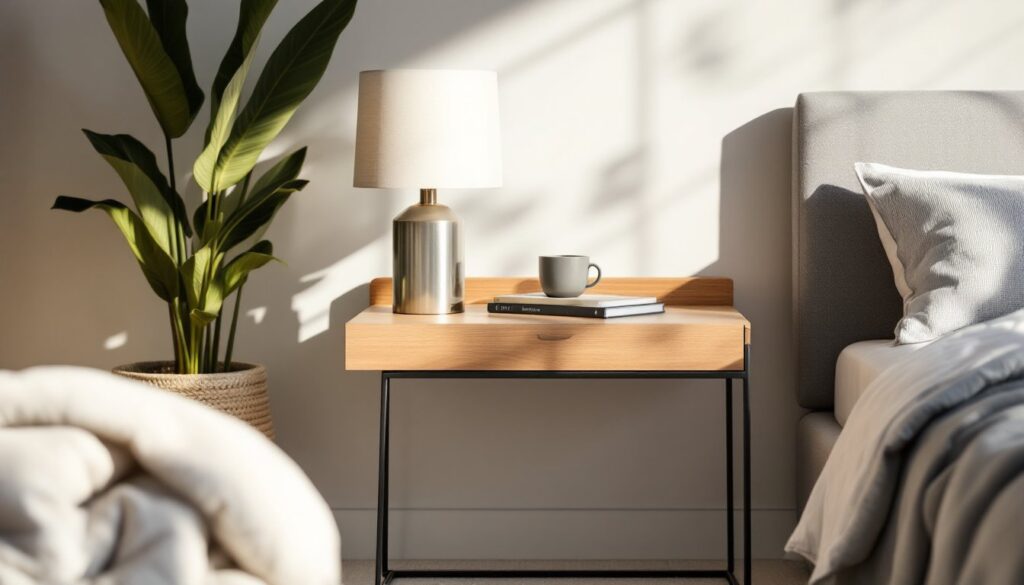
Nightstands can be simple wood or painted white. A vintage find from a thrift shop, lightly sanded and sealed, works perfectly. Add a ceramic or linen-shade lamp on each side. Hang white or off-white linen curtains on simple rods. These filter light softly and add a breezy feel without blocking natural light entirely.
If the room allows, place a wicker or upholstered armchair in a corner with a small side table and reading lamp. A 9’×12′ jute rug under the bed grounds the space. Jute is durable but can be scratchy underfoot, so layer a softer cotton runner alongside the bed if barefoot comfort matters.
Bathroom: Swap out plastic or metal accessories for ceramic soap dispensers, woven baskets, and white towels. Paint walls in a soft white or pale blue. If budget allows, replace a builder-grade vanity with a painted wood piece or a vintage dresser converted to a sink base (check local plumbing codes and ensure proper sealing around the sink cutout).
Add a frameless or wood-framed mirror above the sink. Install brushed nickel or brass fixtures. A small stool or ladder for towel storage, a potted fern, and a few glass jars for cotton balls or bath salts complete the look. Keep surfaces clear, coastal grandma bathrooms don’t do clutter.
DIY Tips for Achieving Coastal Grandma Charm on a Budget
Paint and Prep: A gallon of quality interior paint covers roughly 350–400 square feet per coat. For a cohesive look, paint all trim, doors, and ceilings in the same warm white. This creates visual continuity and makes rooms feel larger. Use a semi-gloss or satin finish on trim for durability and easy cleaning. Always prime raw wood or previously stained surfaces with a stain-blocking primer.
Slipcovers and Upholstery: Buying new slipcovered furniture can run $1,000–$3,000 per sofa. Instead, have a local upholsterer make a custom slipcover for an existing piece. Provide your own linen or cotton duck fabric (available at fabric stores for $15–$30 per yard) to save on markup. A sofa typically needs 12–18 yards depending on size and pattern repeat. This DIY route can cut costs in half.
Alternatively, purchase pre-made slipcovers and tailor them for a better fit. Pin and sew darts or tuck excess fabric into the sofa frame. It’s not structural work, so no permits or pros required, just basic sewing skills.
Thrifted and Vintage Finds: Hunt for wooden furniture, wicker chairs, and ceramics at estate sales, thrift stores, and online marketplaces. A solid wood dresser for $50 can be sanded, painted, and fitted with new pulls for under $100 total. Use 120-grit sandpaper to smooth surfaces, then apply a bonding primer and two coats of satin or semi-gloss paint. Seal with a water-based polyurethane if the piece will see heavy use.
Look for blue-and-white ceramics, vintage linens, and botanical prints. These add character without the cost of new decor. A framed vintage map or botanical illustration, matted in white, feels more authentic than mass-produced art.
Window Treatments: Skip expensive custom drapes. Buy linen or cotton curtain panels in standard sizes (84″ or 96″ lengths) and hem them to fit your windows. Use a basic straight stitch on a sewing machine, or iron-on hem tape if you don’t sew. Hang panels from simple brushed nickel or white rods with clip rings for an unstructured, relaxed drape.
Lighting Updates: Swap out dated light fixtures for simple rattan, linen, or ceramic options. Many pendant lights and flush-mounts install with basic wiring (turn off power at the breaker first). If you’re comfortable with a screwdriver and wire nuts, it’s a straightforward DIY. If not, hire a licensed electrician, improper wiring is a fire hazard and violates NEC standards.
Accessorizing on a Budget: Fill glass jars or ceramic pitchers with fresh flowers or greenery from your yard. Use woven baskets for storage, they’re functional and fit the aesthetic. Fold a quilt or throw over the arm of a chair. Stack a few hardcover books on a coffee table. These small touches are free or low-cost but make rooms feel intentionally styled, much like the curated yet effortless interiors featured in design publications.
Conclusion
Coastal grandma style works because it’s rooted in practicality and comfort, not passing trends. It’s a framework that accepts imperfection, rewards patience, and improves as it ages. Start with the bones, paint, flooring, and key furniture pieces, then layer in textiles, decor, and personal finds over time. The result is a home that feels both timeless and genuinely lived in.