
Running a vacation rental isn’t just about location and amenities anymore. The way a property looks and feels can make or break a guest’s experience, and a host’s bottom line. Smart interior design doesn’t mean spending thousands on designer furniture or chasing every passing trend. It means creating spaces that photograph well, hold up to constant turnover, and make guests feel comfortable enough to leave five-star reviews. Whether someone’s refreshing an existing rental or starting from scratch, the right design choices turn one-time bookings into repeat guests and glowing recommendations.
Table of Contents
ToggleKey Takeaways
- Vacation rental interior design directly impacts online visibility, guest reviews, and repeat bookings—well-designed spaces photograph better and convert faster than poorly coordinated interiors.
- Choose a cohesive design theme aligned with your property’s location and target guest demographic, testing the visual impact in photos before committing to furniture and decor purchases.
- Invest in durable, easy-to-clean materials like luxury vinyl plank flooring, performance fabrics with stain repellent treatments, and quartz countertops to reduce maintenance costs and extend the life of your furnishings.
- Prioritize comfort fundamentals—quality mattresses ($600–$1,200 per bed), layered lighting with dimmers, and adequate storage—as guests remember how a rental felt more than how it looked.
- Small, intentional touches like stocked kitchens with basic cooking tools, local guidebooks, and thoughtfully curated art create memorable experiences that differentiate great rentals from average ones.
- Strategic budget-friendly updates such as fresh paint, hardware swaps, new textiles, and mirrors can significantly refresh a tired vacation rental without requiring a full renovation.
Why Interior Design Matters for Vacation Rental Success
Photos sell rentals before guests ever step through the door. Online listings with cohesive, well-lit interiors get clicked, shared, and booked faster than spaces that look thrown together. But design isn’t just about first impressions, it affects reviews, repeat bookings, and how much wear a property can handle before needing updates.
A thoughtfully designed space signals to guests that the host cares about their stay. Clean lines, comfortable furnishings, and intentional decor choices create an atmosphere that feels both inviting and professional. Guests notice when towels are scratchy, when couches sag, or when paint colors clash. They also notice when everything just works.
From a practical standpoint, good design reduces maintenance costs. Durable materials mean fewer replacements. Stain-resistant fabrics cut down on deep cleaning. Neutral color palettes hide minor wear and make touch-ups easier. Design choices that prioritize function alongside aesthetics pay for themselves in lower turnover costs and higher nightly rates.
Choose a Cohesive Design Theme That Appeals to Your Target Guests
A clear design theme ties a rental together and helps it stand out in search results. The theme should match the property’s location, architecture, and the guests it’s trying to attract. A beachside bungalow calls for coastal elements, light wood tones, linen textiles, nautical accents without going overboard on anchors and rope. A mountain cabin works with warm earth tones, natural stone, and heavier fabrics like wool or flannel.
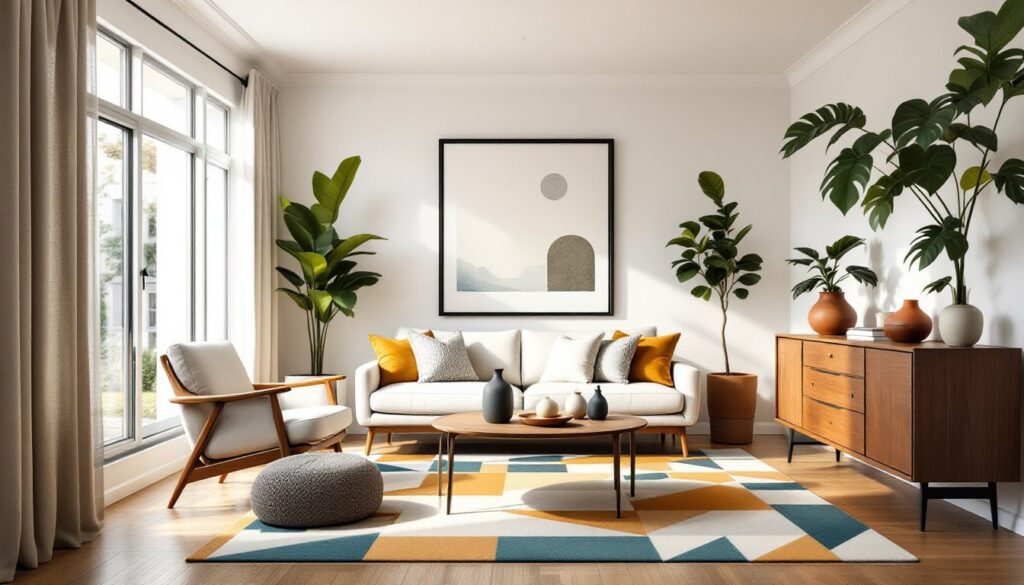
Avoid mixing too many styles. Mid-century modern and rustic farmhouse don’t share a room well. Pick one direction and stick with it across furniture, lighting, and accessories. That doesn’t mean every piece needs to match perfectly, but they should share a visual language: similar wood finishes, complementary color temperatures, consistent hardware styles.
Think about the guest demographic. Families need kid-friendly spaces with washable surfaces. Business travelers want clean, minimalist setups with good lighting and desk space. Romantic getaway seekers expect softer textures, mood lighting, and a few upscale touches. Many hosts find inspiration from design platforms when refining their aesthetic direction and sourcing furnishings that align with their vision.
Test the theme in photos before committing. Snap mock-up shots with a phone or camera. If the space doesn’t photograph well, it won’t perform well online. Adjust colors, swap accessories, or simplify until the visual story comes through clearly in two dimensions.
Focus on Durable, Easy-to-Clean Materials and Furnishings
Vacation rentals take a beating. Spilled wine, sandy feet, wet swimsuits, and careless luggage handling are all part of the deal. Materials need to withstand heavy use without looking trashed after a dozen bookings.
Flooring choices make a big difference. Luxury vinyl plank (LVP) holds up better than laminate and handles moisture well, ideal for kitchens, bathrooms, and beach-area rentals. It’s waterproof, dent-resistant, and comes in realistic wood-look finishes. Real hardwood looks great but scratches easily: if the budget allows, go with engineered hardwood in living areas and save solid wood for low-traffic spots. Skip carpet except in bedrooms, and even then, choose low-pile, stain-resistant options in medium tones that hide dirt.
For upholstery, performance fabrics are non-negotiable. Look for tightly woven polyester blends or fabrics treated with stain repellents. Crypton and Sunbrella are two common brands that resist spills, odors, and fading. Leather works well in some settings, it wipes clean and develops a worn-in look that reads as character rather than damage, but it’s pricey and can feel cold in minimalist spaces.
Slipcovers offer flexibility. They’re washable, replaceable, and let hosts swap colors seasonally or refresh a tired sofa without buying new furniture. Choose slipcovers with a snug fit: loose, baggy covers look cheap and bunch up.
In the kitchen and bath, quartz countertops outperform laminate and require zero sealing, unlike granite. Semi-gloss or satin paint finishes wipe down easier than flat paint, especially in high-touch areas like hallways and kitchens. Use scrubbable paint rated for heavy traffic, brands often label these as “washable” or “scuff-resistant.”
Hardware and fixtures see constant use. Install solid brass or stainless steel cabinet pulls instead of cheap zinc alloy that tarnishes. Choose single-handle faucets over double, they’re easier for guests to operate and have fewer parts to fail.
Maximize Comfort and Functionality in Every Room
Guests remember how a rental felt more than how it looked. Comfort and function need equal weight with aesthetics.
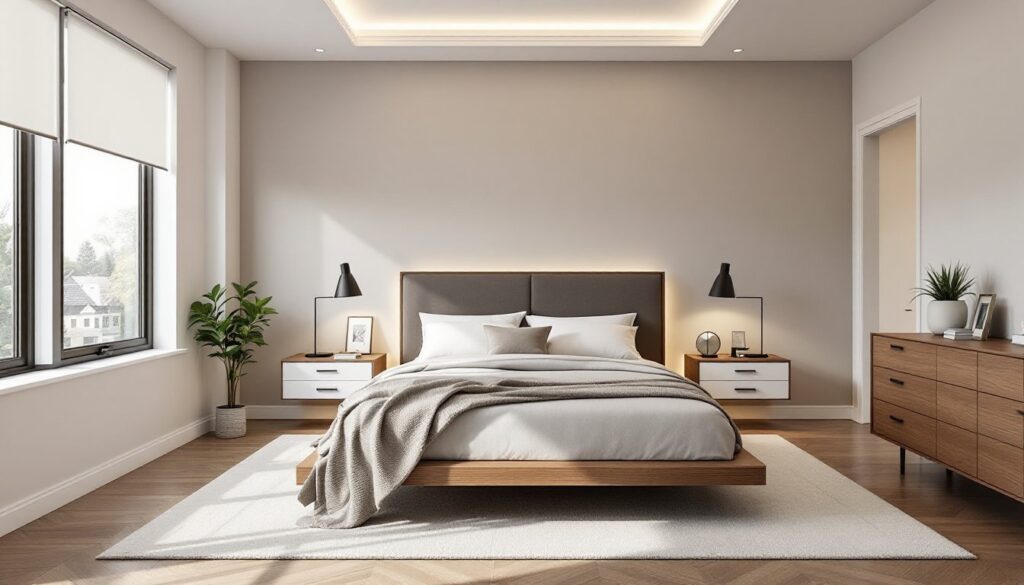
Start with mattresses. Don’t cheap out here. A medium-firm memory foam or hybrid mattress suits most sleepers and lasts 7-10 years with a good mattress protector. Pair it with pillow-top mattress pads, quality sheets (300+ thread count cotton or microfiber blends), and multiple pillow options, firm, soft, and hypoallergenic. Budget $600–$1,200 per queen bed for a setup that earns comfort mentions in reviews.
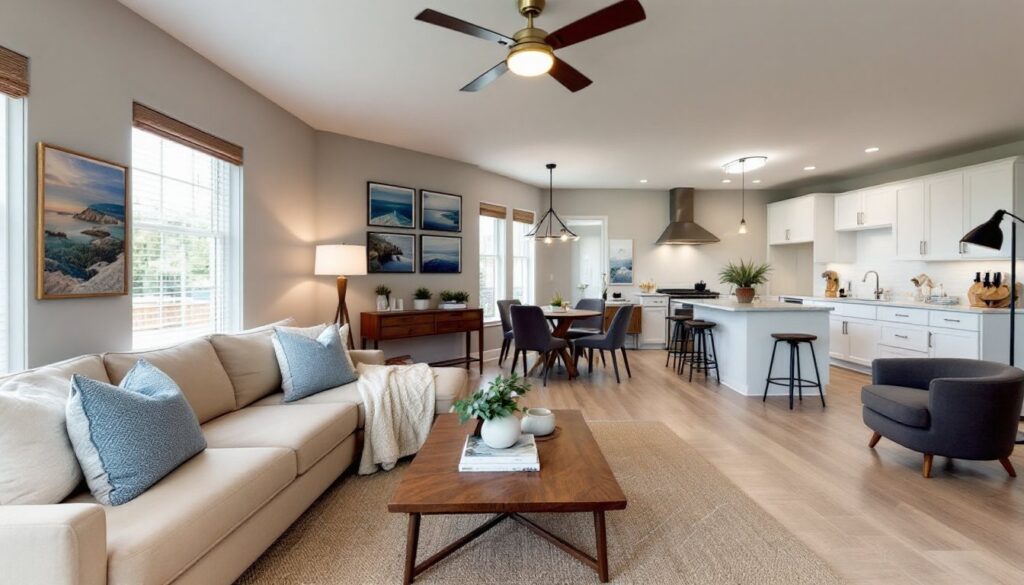
Seating matters in every room. Living room sofas should seat the property’s max occupancy comfortably. A sectional works well for larger groups: make sure it’s deep enough (at least 36″ seat depth) and firm enough to support adults without sagging. Add a couple of accent chairs or a bench for overflow seating during meals or gatherings.
Lighting often gets overlooked. Overhead fixtures alone create harsh shadows and a clinical feel. Layer in table lamps, floor lamps, and under-cabinet lighting in kitchens. Use dimmers on overhead lights wherever possible. Aim for 50-75 lumens per square foot in living areas, higher in kitchens and baths. LED bulbs in warm white (2700-3000K) create a more inviting atmosphere than cool white.
Storage is a frequent guest complaint. Provide empty dresser drawers and at least a third of the closet space for hanging clothes. Add hooks in bathrooms and bedrooms for towels, robes, and bags. In the kitchen, keep one full cabinet and a couple of drawers clear for guest groceries.
Window treatments need to balance light control and privacy. Blackout shades or curtains in bedrooms are essential, guests sleep on different schedules. In living areas, cellular shades or linen curtains filter light without blocking it completely. Make sure treatments are easy to operate: avoid complex cord systems or finicky hardware.
Add Thoughtful Touches That Elevate the Guest Experience
The difference between a good rental and a great one often comes down to small, intentional details that guests don’t expect but appreciate deeply.
Stock the kitchen beyond the basics. Good knives, a cutting board, wine glasses, a corkscrew, measuring cups, and a few quality pots and pans make cooking possible. Cheap cookware frustrates guests: budget $200-$300 for a decent starter set. Include salt, pepper, olive oil, and coffee filters, guests hate discovering they can’t make breakfast because there’s no coffee setup.
Provide extra blankets and throws in living areas. Temperature preferences vary, and a soft throw on the couch signals coziness. Keep them in a basket or draped over furniture rather than hidden in closets.
Local guidebooks or curated recommendations printed on quality cardstock feel more personal than a generic binder. Include favorite restaurants, hiking trails, grocery stores, and emergency contacts. Consider showcasing examples of well-designed vacation properties, such as those featured in projects like hospitality interiors, to understand how intentional design elevates the guest experience.
Art and decor should feel deliberate. Avoid generic hotel art or overly personal family photos. Large-scale prints or canvas wraps in 24″x36″ or bigger make more impact than small frames scattered randomly. Choose local landscapes, abstract pieces that match the color palette, or black-and-white photography. Frame or mount everything properly, no posters with thumbtacks.
Consider scent carefully. Skip heavy air fresheners and synthetic fragrances: they trigger allergies and read as trying to cover something up. Use unscented or lightly scented laundry products, and leave windows open before check-in when weather allows. If adding scent, a single high-quality candle (unlit, for decor) or a small dish of cedar sachets in closets works subtly.
Budget-Friendly Design Updates That Make a Big Impact
Not every improvement requires a full renovation. Strategic, low-cost updates can refresh a tired rental and improve booking performance without blowing the budget.
Paint delivers the best return per dollar spent. A fresh coat in a modern neutral, warm gray, greige, or soft white, brightens spaces and covers scuffs. Figure $30-$50 per gallon for quality paint: a 1,500 sq ft rental typically needs 10-12 gallons for walls and trim. DIYers can knock out a whole property in a long weekend with a roller, brush, and painter’s tape.
Hardware swaps take minutes and cost little. Replace dated cabinet knobs and drawer pulls with modern matte black, brushed nickel, or brass options ($3-$8 per piece). Swap old light switch plates and outlet covers for new ones ($1-$3 each). Update bathroom towel bars and toilet paper holders to match. These small changes add up to a cohesive, updated look.
Textiles refresh quickly. New throw pillows ($15-$30 each), a modern duvet cover ($50-$100), or a patterned area rug ($100-$300) change the feel of a room without touching furniture. Stick to washable options and keep extras on hand for quick swaps between guests.
Mirrors make small spaces feel larger and reflect light. A large leaner mirror (5’x3′) in a bedroom or entryway runs $100-$200 and creates visual depth. Hang a statement mirror over a sofa or console table instead of generic art.
Open shelving in kitchens adds character and costs almost nothing if someone’s handy. Two solid wood shelves (1″x10″x48″) and a set of heavy-duty brackets run $40-$60 total. Paint or stain them, mount to wall studs with 3″ wood screws, and style with everyday dishes and glassware. It’s an afternoon project that photographs beautifully.
Check out resources focused on styling guides and decor trends for budget-conscious ideas that keep rentals looking current without constant overhauls.
Conclusion
Vacation rental design isn’t about chasing trends or creating showroom perfection. It’s about building spaces that function under pressure, photograph well, and make guests feel welcome enough to book again. The hosts who get this balance right see higher occupancy, better reviews, and fewer maintenance headaches. Start with durable foundations, layer in comfort, and finish with intentional details that show care without excess.