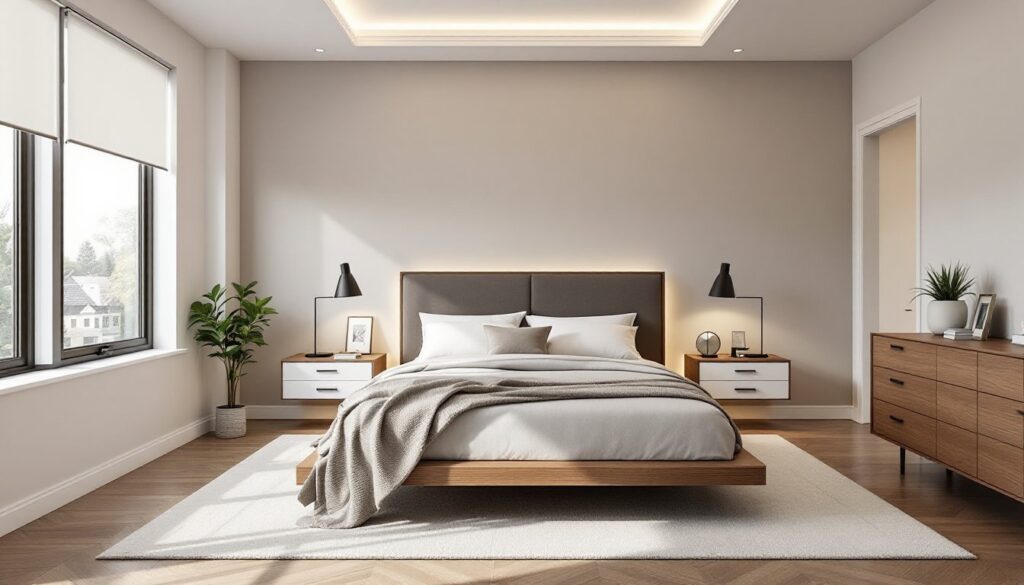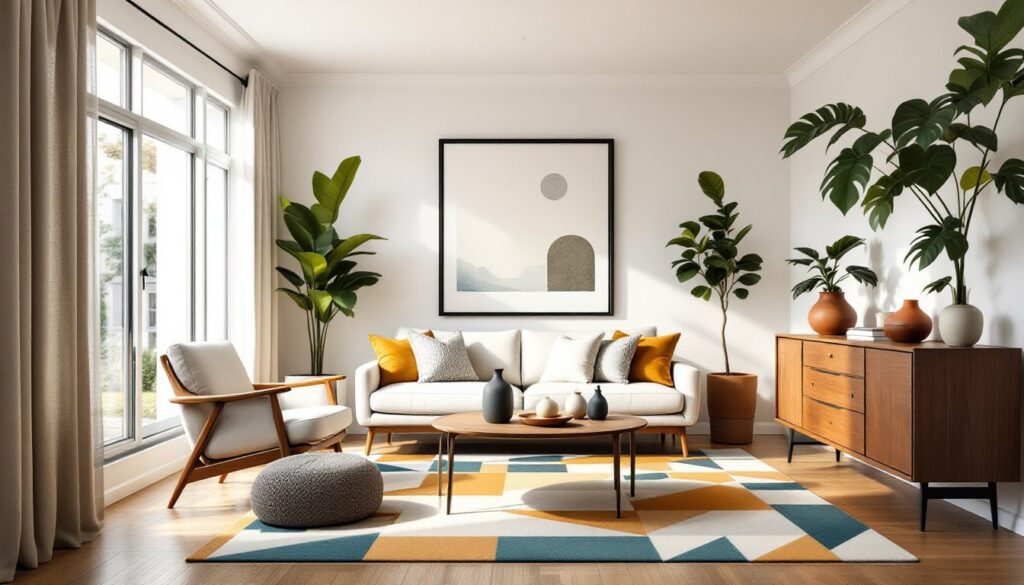

The design world has always belonged to bold thinkers who challenge convention, and right now, a generation of designers under 30 is rewriting the rules for how we live at home. Publications like Interior Design Magazine, Architectural Digest, and others curate annual lists spotlighting these rising talents, practitioners who blend fresh perspectives with real-world problem-solving. For homeowners tackling renovations or DIYers chasing smarter layouts, these young designers offer more than aesthetic inspiration. They’re pioneering practical approaches to sustainability, technology integration, and flexible living that you can adapt to your own projects without a six-figure budget or a design degree.
Table of Contents
ToggleKey Takeaways
- Interior Design Magazine’s 30 Under 30 recognition highlights emerging designers under 30 who are pioneering practical solutions in sustainability, technology, and flexible living that homeowners can adapt without a large budget.
- Young designers excel at solving modern problems like multi-functional spaces, remote work permanence, and climate resilience by using adaptable systems, reclaimed materials, and budget-conscious approaches that trickle into mainstream retail within 2-3 years.
- Sustainable design practices from rising talent—including low-VOC paints, FSC-certified materials, modular construction, and passive solar principles—can be directly applied to DIY projects like kitchen remodels and basement conversions.
- Tech-integrated living spaces championed by 30 Under 30 designers prioritize wired infrastructure during rough-in (Cat6 ethernet, low-voltage conduit), hidden cable management, and flexible lighting systems that adapt to different needs without professional installation.
- You can implement young designer strategies by identifying your core problem first (not just aesthetics), studying their published projects and CAD files on Instagram and trade publications, and using accessible materials like cork tiles, resin panels, and modular shelving systems.
- The gap between professional design and DIY work has narrowed significantly, as 30 Under 30 honorees openly document their methods, offer virtual consultations, and champion regionally sourced materials that deliver durability and quality on a homeowner’s timeline and budget.
What Is the 30 Under 30 Recognition in Interior Design?
The 30 Under 30 recognition is an annual showcase by major design and architecture publications identifying emerging talent under age 30 who are making measurable impact in residential, commercial, and institutional design. Think of it as the industry’s way of flagging who’s pushing boundaries before they become household names.
These aren’t student portfolios or mood boards. Honorees typically run their own studios, lead projects at established firms, or develop products and technologies reshaping how spaces function. Selection criteria vary by publication but generally emphasize innovation, social impact, craftsmanship, and a body of built work, not just renderings.
For the average homeowner, these lists serve as a crystal ball. Trends that start in a 28-year-old designer’s Brooklyn brownstone renovation often trickle into big-box retail and contractor best practices within two to three years. When you see modular furniture systems, biophilic wall treatments, or smart home integrations championed by 30 Under 30 designers today, expect to find affordable versions at your local home improvement center by 2028.
Why These Young Designers Matter for Your Home Projects
Young designers solve problems older generations didn’t face, or didn’t prioritize. They’re designing for smaller footprints, remote work permanence, climate resilience, and multi-generational living. If you’re planning a renovation, their work offers proven strategies for challenges you’re likely encountering.
Many young designers recognized on major lists cut their teeth during the 2020 pandemic, when homes had to function as offices, gyms, classrooms, and restaurants simultaneously. That pressure cooker produced design solutions focused on adaptability: think demountable partition systems, fold-down desks with integrated cable management, and acoustical treatments that don’t scream “recording studio.”
They also understand material costs and supply chain realities. Unlike legacy designers who spec rare imported stone, rising talents often champion regionally sourced materials, reclaimed lumber, and engineered products that deliver durability without the lead time or carbon footprint. This philosophy translates directly to DIY projects where budget and availability matter more than brand pedigree.
Another advantage: accessibility. Established designers often serve high-net-worth clients exclusively. Younger practitioners are more likely to offer virtual consultations, design-only packages, or publish detailed project breakdowns on social media, resources a motivated DIYer can study and adapt.
Top Trends Emerging from 30 Under 30 Honorees
The 2026 cohort of rising designers shares common threads that distinguish their work from previous generations. Two stand out as immediately actionable for home projects.
Sustainable and Eco-Conscious Design Approaches
Sustainability isn’t a buzzword for this group, it’s baked into material selection, construction methods, and long-term maintenance planning. Honorees are specifying low-VOC paints (volatile organic compounds under 50 g/L), FSC-certified plywood for cabinetry, and rapidly renewable materials like cork, bamboo, and mycelium-based composites.
For a DIY kitchen remodel, this means choosing water-based polyurethane over oil-based finishes, which off-gas for weeks. It means sourcing reclaimed hardwood for floating shelves instead of new oak, often cheaper and with better grain character. Many designers also advocate for modular construction principles: build shelving units, room dividers, and storage systems that can be disassembled, reconfigured, or relocated without demolition. Use confirmat screws or cam-lock fasteners instead of glue and nails.
Energy efficiency is another pillar. Young designers integrate LED tape lighting with dimming controls, specify cellular shades with high R-values for window insulation, and design around passive solar principles, south-facing windows with overhangs calculated to block summer sun but admit winter light. If you’re finishing a basement or converting a garage, study their daylighting strategies: light wells, glass block, and strategic placement of reflective surfaces to amplify natural light without adding windows that compromise privacy or structure.
Tech-Integrated Living Spaces
Rising designers treat technology as infrastructure, not afterthought. They’re designing homes where smart thermostats, motorized shades, multi-room audio, and security systems are wired (or wirelessly meshed) during rough-in, not surface-mounted later.
Practical takeaway: if you’re opening walls for any reason, adding outlets, running new plumbing, installing insulation, pull Cat6 ethernet cable and low-voltage conduit to key locations now. It’s cheap insurance. Run lines to ceiling corners for future cameras, behind TV locations for streaming devices, and to a central closet or utility space for a network rack.
Many 30 Under 30 designers incorporate voice control and app-based interfaces but design spaces so technology disappears. That means recessed outlets with USB-C ports, cable raceways hidden behind crown molding or inside hollow baseboards, and furniture with integrated charging pads. For a DIY home office build, consider a desk with a cable management tray routed through a grommet in the work surface, feeding to a power strip mounted under the desk with Velcro, no visible cords.
They’re also champions of adaptable lighting systems. Instead of fixed overhead fixtures, many specify track lighting on dimmer circuits or plug-in pendant kits that homeowners can reposition. This approach suits renters and frequent remodelers who want flexibility without hiring an electrician for every change. Pair it with smart bulbs (Philips Hue, LIFX) that adjust color temperature and brightness via app, and you can shift a room from focused work mode (5000K, 100% brightness) to relaxed evening mode (2700K, 30%) without touching a switch.
How to Apply Young Designer Ideas to Your Own Space
You don’t need to hire a designer to borrow their strategies. Start by identifying the problem you’re solving, not the aesthetic you’re chasing. Young designers excel at problem-first thinking.
Example: Your living room doubles as a home office, and Zoom calls are a mess because the bookshelf and TV are in frame. A rising designer might specify a freestanding acoustic panel on casters, upholstered in Guilford of Maine FR701 fabric (inherently flame-retardant, no chemical treatment). You can DIY this: build a 2×4 frame (actual dimensions 1.5″ x 3.5″), fill it with Roxul Rockboard rigid mineral wool (2″ thick, R-8), wrap with fabric stapled to the back, and mount industrial casters. Total cost: under $150. Roll it into place for calls, roll it out for movie night.
Another tactic: modular shelving systems. Rather than built-ins that lock you into a layout, rising talents favor systems like Vitsœ 606, String Shelving, or DIY equivalents using standards and brackets (the metal tracks with adjustable shelves). Install the vertical standards into studs using #10 x 2.5″ wood screws, then hang shelves at any height. Reconfigure as needs change, no new holes, no patching, no painting.
Study their innovative material choices featured in profiles for accessible options. Many designers spotlight 3form resin panels (translucent, available in hundreds of colors, good for backlit dividers), PaperStone (recycled paper composite that machines like hardwood, ideal for countertops or desktops), and cork tiles (self-adhesive, Class A fire rating, excellent acoustical dampening for media rooms or offices).
For paint, follow their lead on color strategy. Instead of safe neutrals everywhere, young designers use bold accent colors on a single wall or ceiling to define zones in open-plan spaces. Choose low-sheen finishes (eggshell or satin) for walls to hide imperfections, reserve semi-gloss for trim and doors where you need scrubbability. Test colors with 8 oz. samples on foam core boards you can move around the room at different times of day, lighting shifts dramatically from north-facing to south-facing rooms.
Where to Follow and Learn from Rising Design Talent
Most 30 Under 30 honorees maintain active online presences where they document projects, share material sources, and explain design decisions in real time. Instagram is the primary platform, search hashtags like #30under30design or #emergingdesigners, but many also run blogs or YouTube channels with deeper dives.
Publications that run these lists typically publish video interviews and project walkthroughs. Design competitions and showcases often feature process breakdowns showing how designers tackled spatial constraints, budget limits, or code challenges, information directly applicable to DIY work.
Look for designers who share CAD files, cut lists, or product links. Some offer free downloadable resources like furniture templates scaled to standard lumber dimensions (a sofa built from 2x4s and 2x6s, for instance) or lighting plans with fixture spacing calculated for even illumination (typically 4-6 feet apart for recessed cans in an 8-foot ceiling).
Attend virtual talks and webinars. Many design schools and industry groups host free panels where young designers discuss projects. You’ll learn more from a 45-minute Q&A about a basement conversion than from a hundred Pinterest boards.
Finally, subscribe to trade publications like Interior Design Magazine, Azure, and Metropolis. They publish case studies with floor plans, material specs, and contractor insights. Unlike consumer magazines that gloss over details, trade pubs explain how things were built, joist spans, beam sizing, fastener schedules, the information you need to adapt ideas to your own code jurisdiction and skill level.
The gap between professional design and skilled DIY work is narrower than it’s ever been. Young designers prove it by working leaner, documenting more, and championing accessible materials. Study their work, borrow their methods, and your next project will reflect the same forward-thinking approach reshaping the industry.