
Mid-century modern interior design has experienced a remarkable resurgence over the past decade, and for good reason. This design movement, rooted in the 1940s through 1960s, emphasizes clean lines, functional simplicity, and an honest use of materials that speak for themselves. Whether you’re refreshing a single room or planning a full home overhaul, understanding the fundamentals of mid-century modern interior design can help you create spaces that feel both timeless and contemporary. The style’s appeal lies in its balance: it avoids excessive ornamentation while refusing to feel cold or sterile. Unlike trend-driven decor that becomes dated within years, mid-century modern design principles remain relevant because they prioritize substance over flash.
Table of Contents
ToggleKey Takeaways
- Mid-century modern interior design emphasizes clean lines, functional simplicity, and honest materials that have remained relevant for 80 years because form follows function.
- Authentic mid-century modern furniture features tapered legs, low-slung profiles, and visible wood grain in materials like walnut, teak, and rosewood without heavy stains or glossy finishes.
- Color palettes in mid-century modern interior decorating typically combine neutral walls with warm, earthy tones and bold primary accents like burnt orange, mustard yellow, and teal.
- Layer lighting with sculptural table lamps, floor lamps with tripod designs, and pendant lights rather than relying on a single overhead fixture to create warmth and functionality.
- You can adopt mid-century modern design by starting with one room, limiting your color palette to three colors maximum, and prioritizing quality, functional pieces over filling every corner.
- The style works across all rooms—bedrooms benefit from its calming nature, living rooms showcase statement pieces, and home offices thrive under its function-first, distraction-reducing principles.
What is Mid-Century Modern Design and Why It Remains Relevant
Mid-century modern emerged during post-World War II America when manufacturers and designers embraced industrial production methods to create affordable, beautiful furniture and fixtures for the growing suburban market. The style represented optimism, a belief that good design should be accessible, not reserved for the wealthy. Architects like Eames, Saarinen, and Nelson translated this philosophy into iconic pieces that remain production staples today.
Why does this nearly 80-year-old aesthetic still command attention in 2026? Because its core principles, form follows function, materials should be honest (wood shows grain, metal shows finish), and ornamentation should serve a purpose, align with how modern homeowners think about their spaces. Mid-century modern interior design strips away unnecessary detail and creates room to breathe. It doesn’t demand that your home look like a magazine spread: instead, it gives you permission to keep only what works and what you genuinely love. This practicality, combined with its timeless visual appeal, is why the style has stayed relevant across generations.
Key Characteristics and Elements of the Style
Furniture, Colors, and Materials
Mid-century modern furniture prioritizes clean geometry and minimal ornamentation. Look for pieces with tapered legs (often angled at 45 degrees), low-slung profiles, and exposed joinery that shows how the piece is constructed rather than hiding it. Wood selection matters, walnut, teak, and rosewood are common in authentic pieces, though modern reproductions use oak, cherry, and engineered wood. The key is that wood grain remains visible: no heavy stains or glossy finishes that obscure the material itself.
Color palettes in mid-century modern interior design tend toward warm, earthy tones accented by bold primaries. Think burnt orange, mustard yellow, sage green, and teal appearing in accent walls, upholstery, or geometric patterns. Walls are typically neutral, off-white, warm gray, or soft beige, allowing furniture and décor to carry color interest. A detailed guide to mid-century modern style explains how these color choices emerged from the period’s aesthetic and psychology, reflecting a desire for optimism and warmth after wartime austerity.
Materials mix deliberately: wood with metal, leather with linen, glass with rubber. Formica countertops (popular in period kitchens) are back in favor, and ceramic tiles with simple geometric patterns work beautifully in bathrooms and backsplashes. The material honesty principle applies here, no wood-grain plastic laminate pretending to be oak: instead, use quality laminate that looks intentional, or choose real wood if budget allows.
Lighting and Decor Accents
Lighting in mid-century modern spaces is rarely about a single overhead fixture. Instead, layered lighting, table lamps with sculptural bases, floor lamps with tripod or arc designs, pendant lights with geometric shades, creates warmth and functionality. Sputnik chandeliers, atomic-inspired fixtures, and cone-shaped pendant lights are signature elements. The Noguchi Akari lamp, with its paper diffuser and minimal frame, remains a benchmark for mid-century modern lighting philosophy.
Decor accents should feel curated rather than cluttered. A few well-chosen pieces matter more than many mediocre ones. Geometric artwork, abstract prints, sun-burst wall clocks, and simple line drawings, complements the style. Plants, particularly spider plants and ferns in ceramic planters, add organic softness to geometric spaces. Textiles like geometric throw pillows, shag rugs (yes, they’re authentic to the era), and simple wool blankets introduce texture without chaos. The goal is restraint paired with personality.
Room-by-Room Styling Tips for Your Home
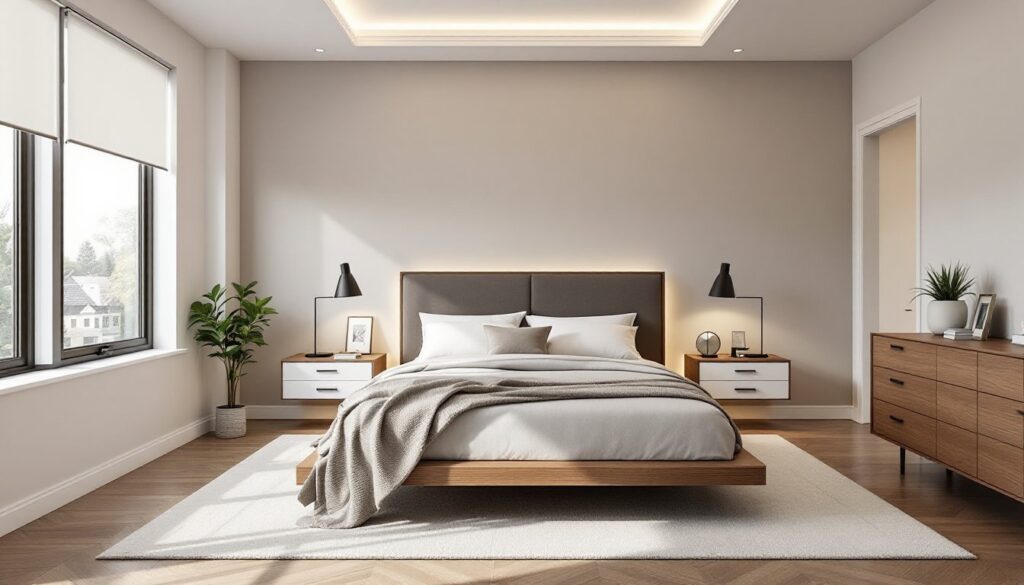
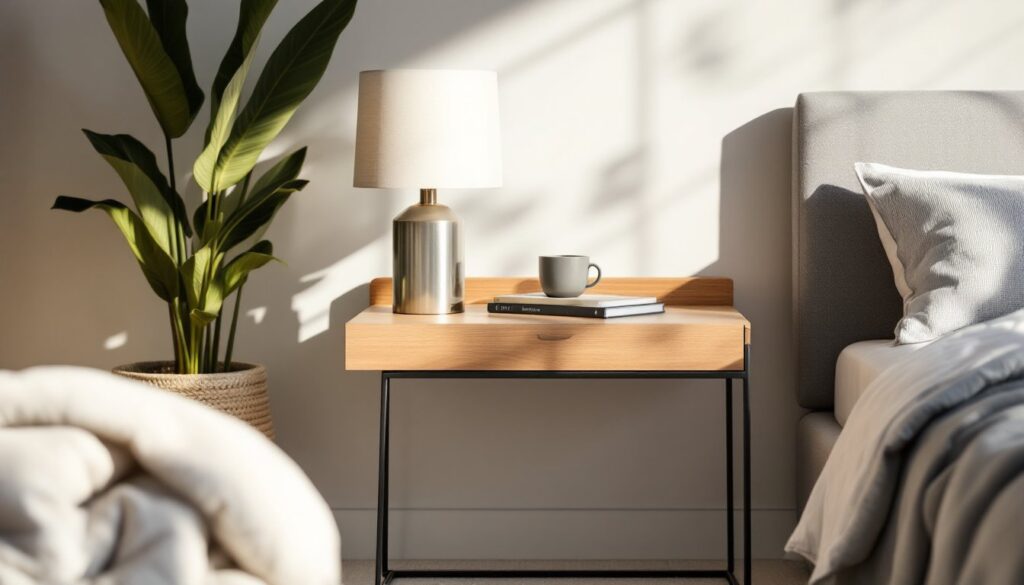
Bedrooms work especially well with mid-century modern interior design philosophy because the style naturally encourages calm. A platform bed with tapered legs, paired with simple cotton bedding in soft gray or cream, creates a serene anchor. Add a low-profile nightstand with a sculptural lamp, one or two framed abstract prints above the bed, and a single accent wall in soft green or warm terracotta. Modern bedroom ideas rooted in mid-century principles favor minimal window treatments, a simple roller shade or sheer curtains that don’t compete with clean lines. Keep the palette to three colors maximum: a neutral base, one warm accent color, and one cool accent color.
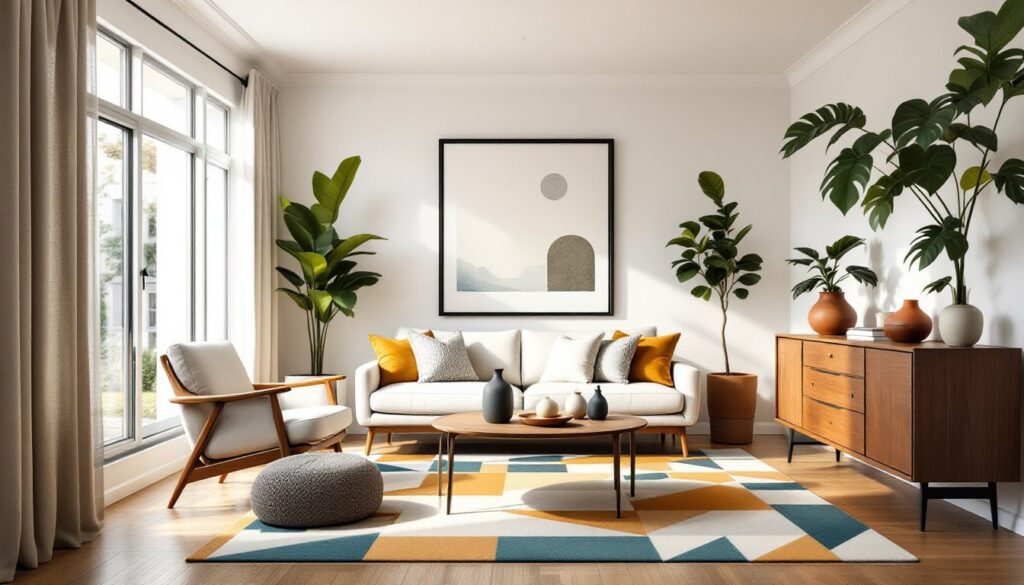
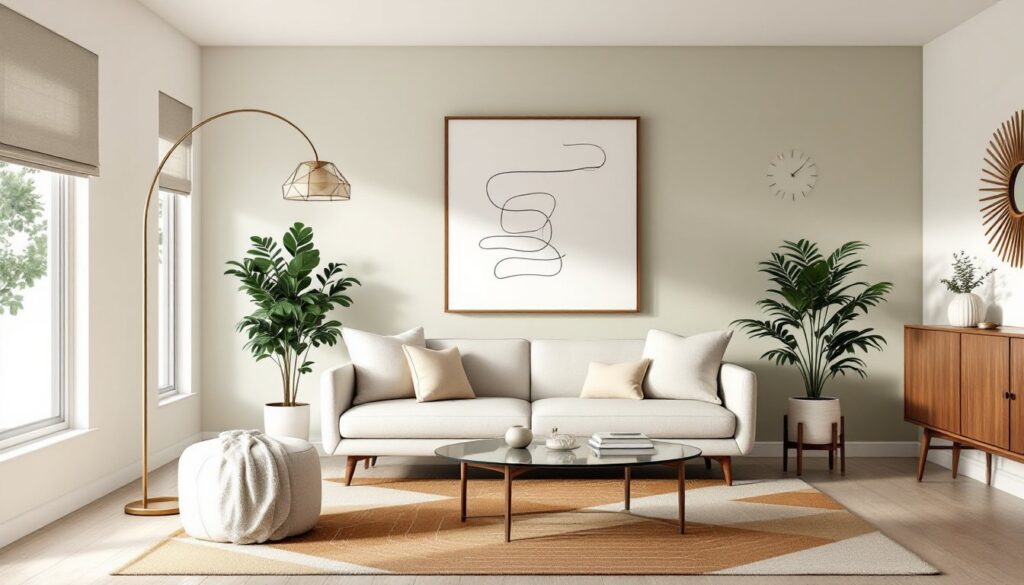
Living rooms are the natural showcase for mid-century modern pieces. Anchor the space with a quality sofa featuring tapered legs and simple lines, paired with a matching or complementary armchair. A low coffee table in wood or glass, a media console that doesn’t tower awkwardly, and a statement floor lamp create functional zones without visual clutter. Hang artwork at eye level (57 inches from floor to center is standard), keep window treatments minimal, and reserve pattern for small areas, a geometric rug, a few throw pillows, or one accent wall. Design inspiration from Palm Springs shows how the style translates perfectly to bright, open living areas with connection to outdoor spaces.
Kitchens and dining areas benefit from mid-century modern’s honest approach to function. Open shelving (real wood, properly supported) displays dishes and glasses as décor. A simple dining table with tapered legs and matching or mismatched mid-century chairs creates casual elegance. Tile backsplash with geometric patterns, stainless steel or brushed chrome hardware, and warm wood cabinetry (or painted cabinetry in soft white or cream) complete the look. Avoid ornate crown molding or heavy hardware: let materials and proportions speak for themselves.
Home offices thrive under mid-century modern principles because the style naturally reduces visual distraction. A simple desk with clean lines, storage that uses vertical space efficiently, and a comfortable chair with proper back support create a productive environment. One or two pieces of abstract art, a small plant, and thoughtful task lighting complete a focused workspace. The style’s emphasis on function-first design means you can have a beautiful office that’s genuinely pleasant to work in, not just to photograph.
Conclusion
Adopting mid-century modern interior design doesn’t require purchasing expensive vintage originals or undertaking a complete renovation. Start by identifying one room, perhaps a bedroom or office, and apply the core principles: choose quality, functional furniture with clean lines: limit your color palette: layer lighting: and resist the urge to fill every corner. As you build confidence, you’ll recognize how this design approach creates spaces that feel both intentional and livable. Modern design resources continue to document how the style evolves while maintaining its essential character. The beauty of mid-century modern is that it works because it’s rooted in genuine principles about how people actually live, not trends that fade with the season.