
Your bedroom should be a retreat, a place where you can unwind and recharge. Modern bedroom decor ideas focus on clean lines, intentional spacing, and functional beauty rather than unnecessary ornamentation. Whether you’re drawn to mid century modern interior design’s timeless appeal or prefer contemporary minimalism, creating a stylish sanctuary starts with understanding your personal aesthetic and translating it into a cohesive design. This guide walks you through the practical steps to transform your bedroom into a modern haven that balances form, function, and comfort without the fluff.
Table of Contents
ToggleKey Takeaways
- Define your personal modern aesthetic—whether mid-century modern interior design, contemporary, or minimalist—before shopping to avoid impulse purchases that clash with your actual taste.
- Use a narrow color palette of two base colors plus one or two accent shades, and test paint samples in your actual room under different lighting conditions before committing.
- Invest in quality statement furniture pieces (bed frame, nightstands, dresser, and optional seating) with clean lines and durable hardwood construction rather than filling the room with numerous pieces.
- Layer lighting with general overhead fixtures, task bedside lamps, and accent lighting to create ambiance while avoiding harsh or shadowy environments.
- Incorporate natural materials like wood, linen, cotton, and wool textiles along with simple rugs and minimal wall décor to add warmth and texture without clutter.
- Move slowly with your modern bedroom decor ideas and edit ruthlessly—create a calm, functional retreat rather than a perfectly styled but impersonal space.
Define Your Modern Aesthetic
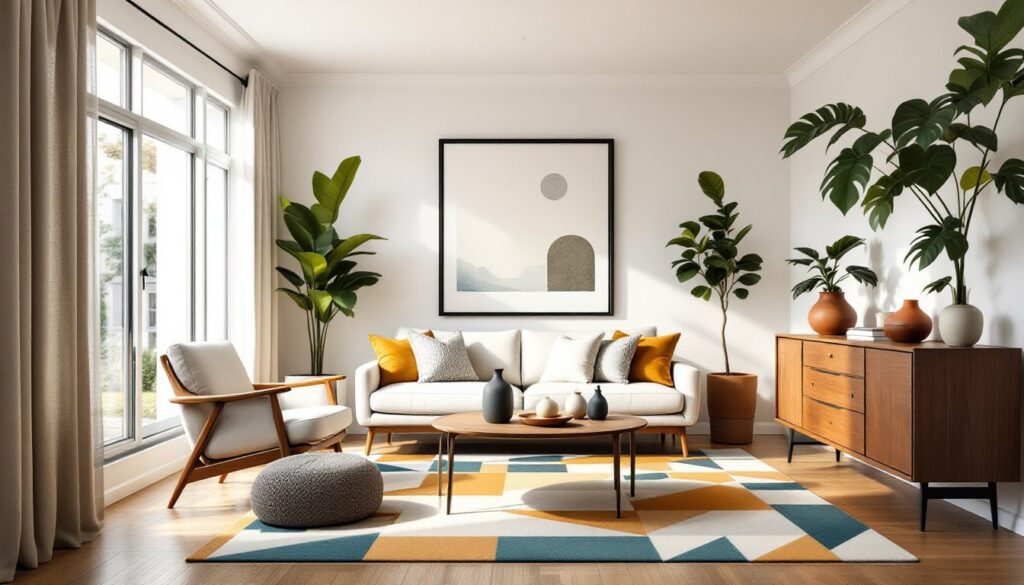
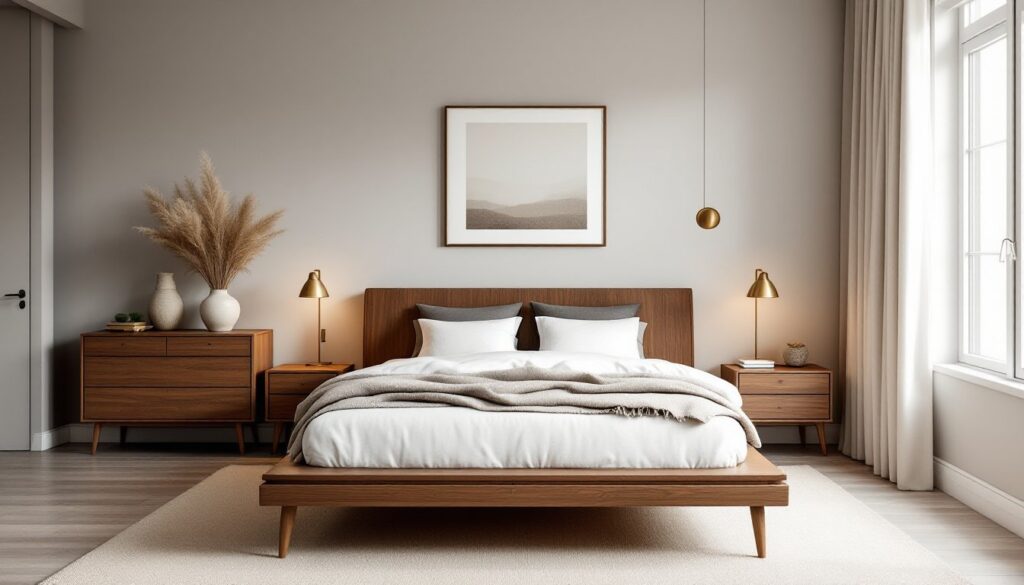
Modern design encompasses several distinct approaches, and pinpointing which resonates with you saves time and money down the line. Mid century modern interior design emphasizes organic shapes, tapered legs, and a mix of materials, think walnut wood frames paired with upholstered headboards. Contemporary modern strips things down further, favoring geometric forms, neutral palettes, and minimal ornamentation. Minimalist modern takes that even further, often using a two- or three-color scheme and only essential furniture pieces.
Before shopping or rearranging, sit with inspiration images for a few days. Save 10 to 15 photos from platforms that showcase bedrooms you genuinely like, not aspirational Pinterest boards, but spaces that feel livable. Look for patterns in what draws you: Is it the color story? The furniture silhouettes? The balance between open floor and decorated surfaces? This honest assessment prevents impulse buys that clash with your actual taste.
Choose a Color Palette That Soothes
Modern color palettes in bedrooms typically work within a narrow range: two base colors plus one or two accent shades. Soft neutrals, warm whites, soft grays, warm taupes, anchor the space and make it feel intentional rather than sterile. A bedroom painted in bright white alone can feel cold: instead, consider soft gray (like Benjamin Moore’s Chelsea Gray or Sherwin-Williams’ Accessible Beige) paired with warm wood tones or soft linens in cream or oatmeal.
Accent colors add personality without overwhelming. Muted blues, sage greens, or warm terracottas work well as secondary walls or in textiles. If color psychology matters to you, cool tones (blues, greens) tend to promote calm, while warm neutrals feel grounding. Test your chosen colors in your actual room, paint sample pots on the walls and observe them at different times of day. Artificial light flattens color, so what looks perfect at the paint store may feel different under your bedroom’s existing fixtures. Allocate budget for paint primer and two coats: one coat rarely covers adequately, especially over deeper existing colors.
Select Statement Furniture Pieces
A modern room decor idea that often gets overlooked is restraint in furniture selection. Rather than filling your bedroom with eight pieces, choose three to four key items: a bed frame, nightstands, a low dresser, and possibly a bench or seating. Quality matters here, a solid hardwood mid century modern interior with a strong silhouette lasts decades, while flimsy particle board looks cheap within months.
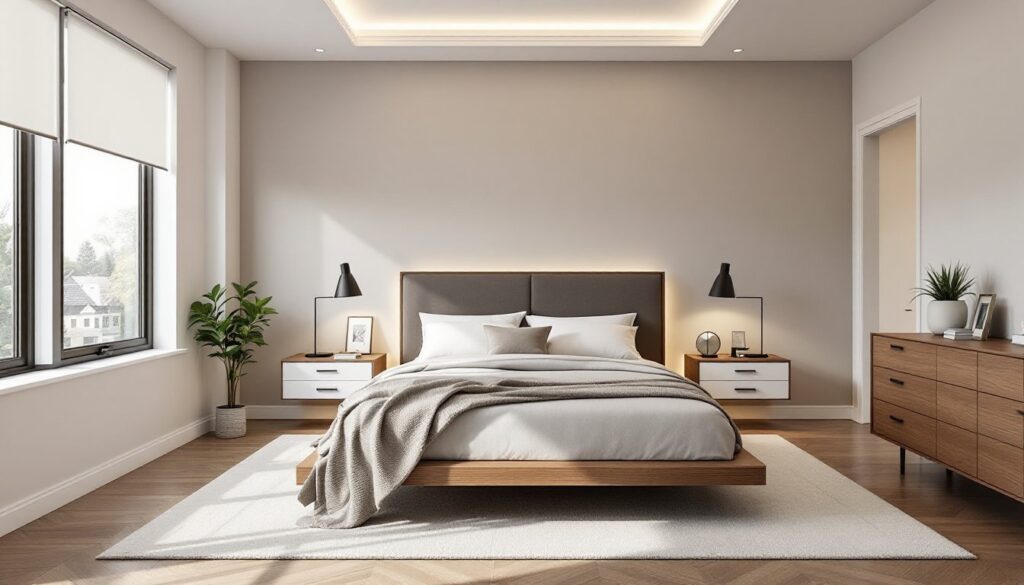
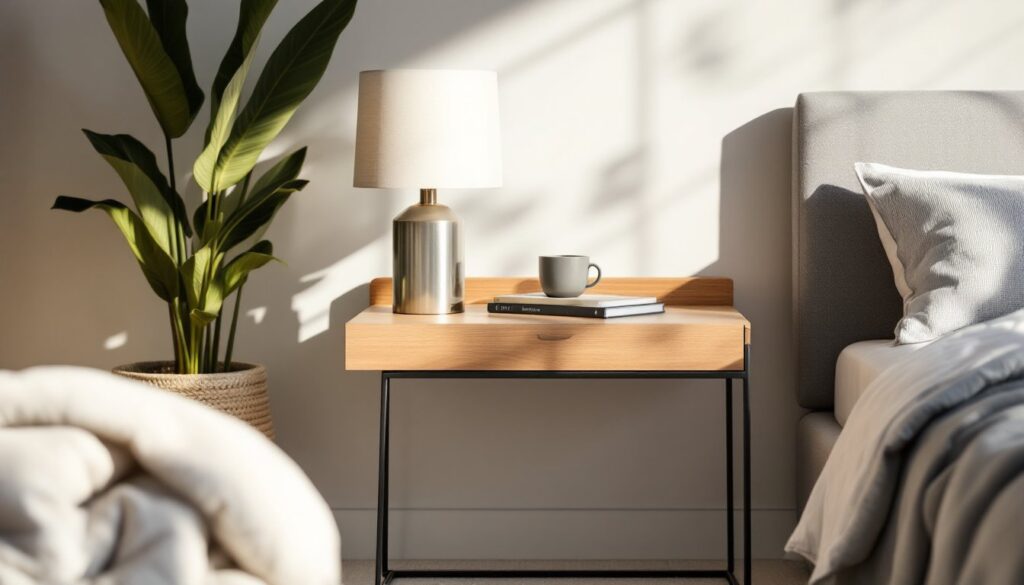
Your bed frame sets the tone. Platform beds with clean lines, simple tapered legs, and minimal ornamentation define the modern aesthetic. Look for frames with hardwood construction (walnut, oak, or white oak are durable choices) or metal frames with clean geometry. Nightstands should echo the bed’s style, a matching pair works best, but floating shelves or asymmetrical tables add interest if you prefer. Keep surfaces uncluttered: a single lamp, a small dish for keys, and perhaps a book. Dressers work best when they’re lower and wider rather than tall and narrow, which makes the room feel less cramped. A solid wood dresser without ornamental hardware, instead opting for simple metal bar pulls or push-to-open mechanisms, keeps the modern vibe intact. Avoid furniture with excessive detailing, ornate carving, or overly decorative feet.
Layer Lighting for Ambiance and Function
Modern bedrooms need at least three layers of light: general, task, and accent. A single ceiling fixture leaves the room feeling harsh or shadowy, neither is restful. General lighting from overhead fixtures that soften light (flush-mounts or semi-flush designs) provides ambient brightness. Task lighting, a bedside lamp with a 60- to 75-watt equivalent LED bulb, lets you read without straining. Accent lighting (such as a wall sconce or soft strip lighting behind a floating headboard) creates visual interest and warmth.
Choose fixtures that match your aesthetic. For modern rooms, look for brushed brass, matte black, or chrome finishes rather than ornate brass or crystal. Avoid mixing too many finish types: stick to two metals maximum. LED bulbs are non-negotiable in modern design, they’re energy-efficient, run cooler, and last years longer than incandescent bulbs. Warm white (2700K to 3000K) feels cozy in bedrooms: cool white (4000K+) is better for task lighting. Dimmers are worth installing on general lighting: they let you shift from functional morning light to relaxing evening glow without replacing fixtures.
Overhead Fixtures and Accent Lights
A flush-mount or semi-flush fixture with a simple, geometric design, matte finish, no dangling crystals, works with most modern styles. Bedside lamps should have proportional shades: a lamp that’s too tall or squat looks awkward. Accent lights add sophistication: a curated selection of modern bedroom designs often features minimalist wall sconces flanking the headboard or soft cove lighting installed along the ceiling perimeter. These details require planning (especially cove lighting, which needs backing and electrical runs), but they elevate the space noticeably.
Incorporate Textures and Natural Materials
Pure minimalism, all hard surfaces and stark emptiness, feels more like a hotel lobby than a sanctuary. Modern rooms breathe when you layer textures within a restrained palette. Natural materials ground modern design and create warmth. Wood (visible on the bed frame, a side table, or shelving) feels organic against cool metal or concrete accents. Linen, cotton, and wool textiles in neutral tones add softness without busy patterns.
A practical way to introduce texture is through bedding: choose a linen duvet cover in warm white or soft gray, paired with a cotton fitted sheet and simple throw pillows in coordinating textures, perhaps one in linen, one in subtle knit. Rugs matter too: a bedroom ideas showcase often features low-pile wool or sisal rugs that define the bed zone without overwhelming the space. Keep the rug proportional: it should extend at least 18 inches on either side of the bed and sit partially under the frame for balance.
Walls don’t need to be bare. One accent wall in a soft color or a simple wall hanging (abstract art, a single large fabric panel, or a woven tapestry) breaks monotony. Keep wall décor minimal, three pieces maximum, so it reads as intentional, not cluttered. Live plants or dried grasses in simple ceramic or concrete vessels add life and texture without fussiness. A low shelf with carefully selected books, a small sculpture, or a framed photo creates visual interest when arranged thoughtfully, not haphazardly.
Conclusion
Building a modern bedroom doesn’t require a complete overhaul or a designer’s budget. Start by defining your aesthetic, choose a soothing color palette, invest in solid statement furniture, layer your lighting intentionally, and weave in natural textures and materials. The goal isn’t perfection, it’s creating a calm, functional space where you can genuinely rest. Move slowly, live with your choices before adding more, and don’t hesitate to edit ruthlessly. A thoughtfully curated bedroom beats a crowded one every time.