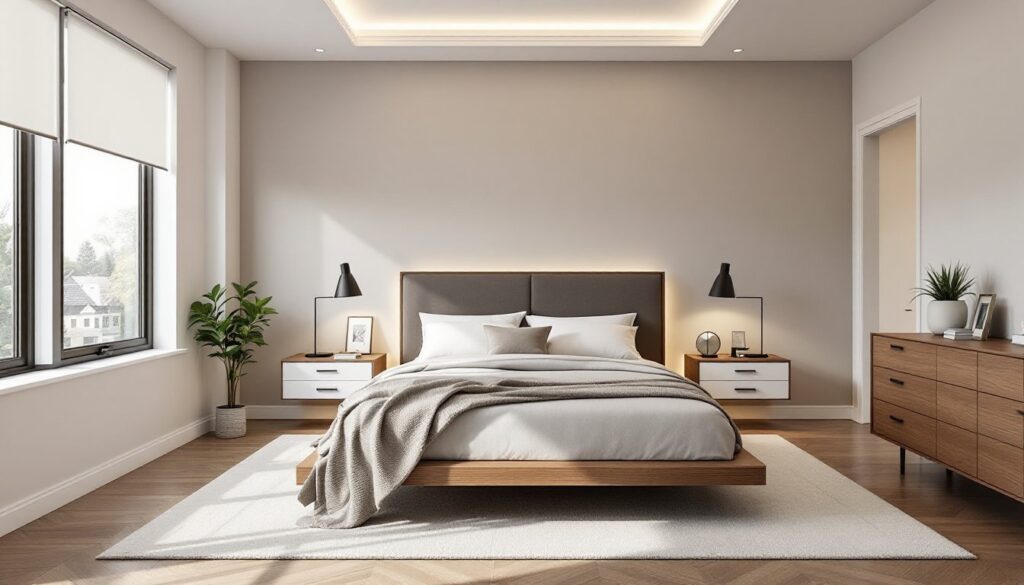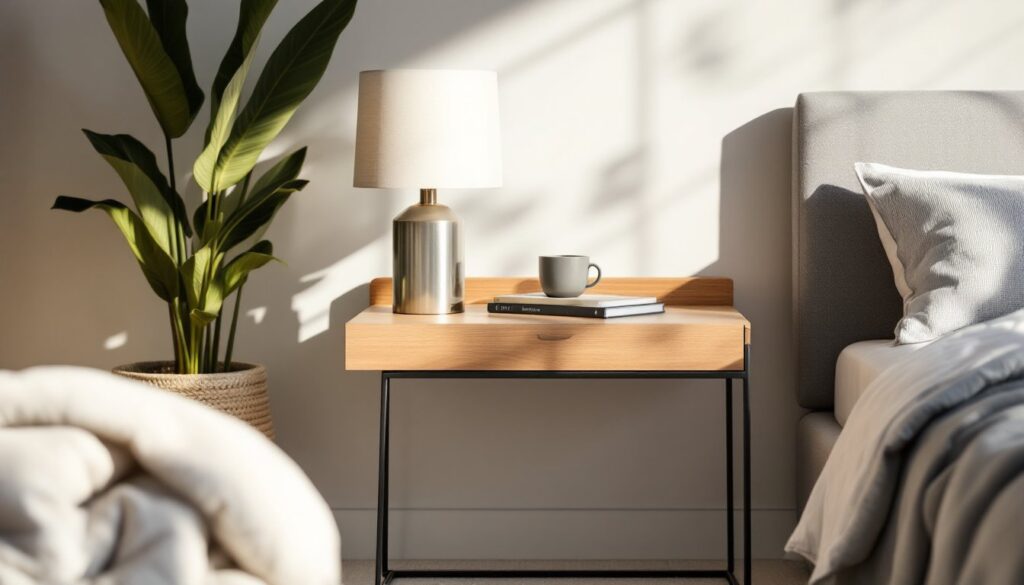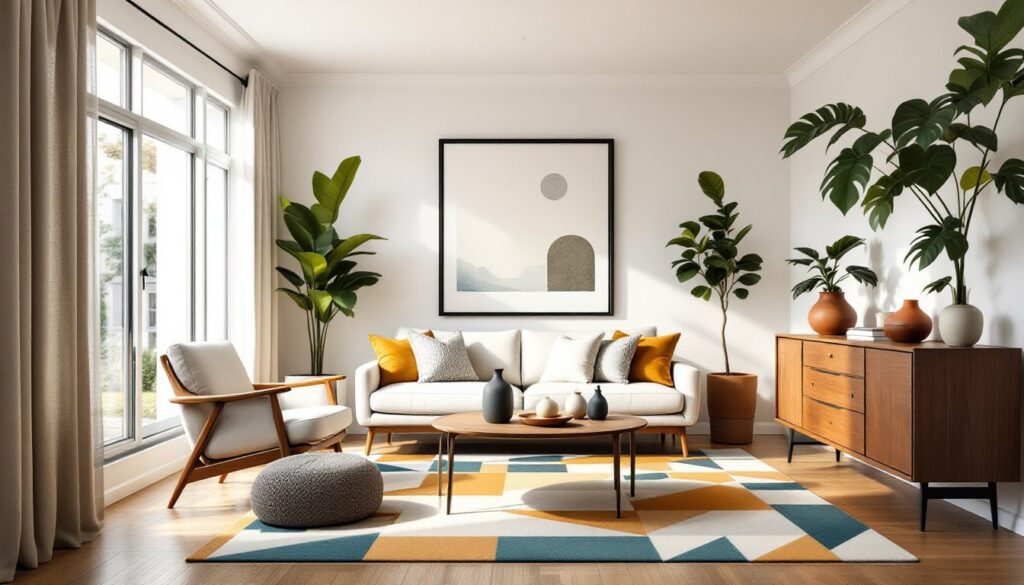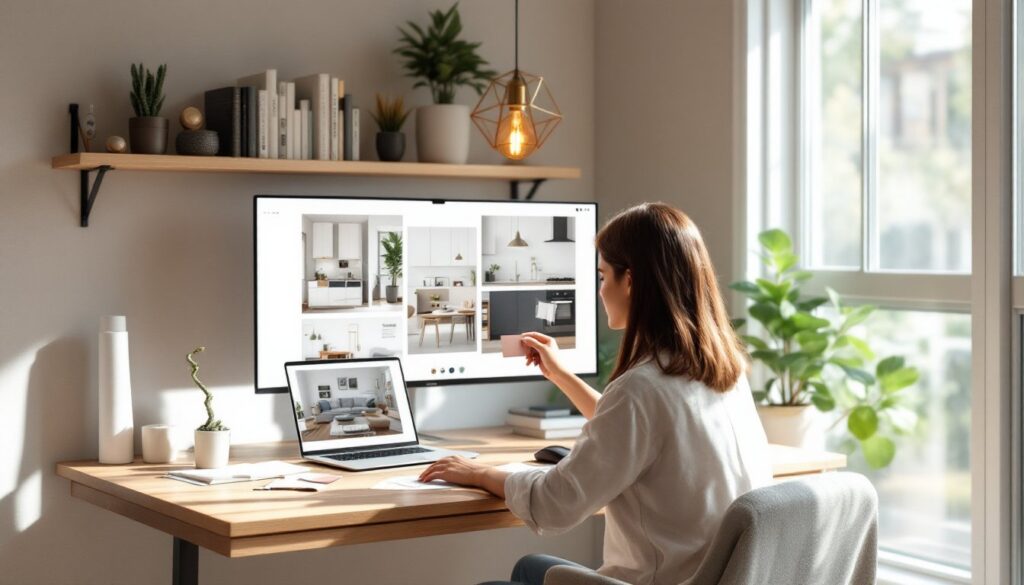

Artificial intelligence tools have moved from novelty to necessity in home design. Midjourney, an AI image generator, lets homeowners and DIY enthusiasts visualize entire rooms before moving a single piece of furniture or buying a gallon of paint. It’s not just for designers anymore, anyone with a subscription and a clear idea can generate photorealistic interior concepts in minutes. The tool’s evolved dramatically since its early days, now producing images with accurate lighting, realistic textures, and believable spatial relationships. Whether you’re planning a kitchen remodel or just curious what a mid-century modern living room would look like in your space, Midjourney offers a low-cost, high-speed way to experiment before committing time and money to real-world changes.
Table of Contents
ToggleKey Takeaways
- Midjourney interior design visualization enables homeowners to test design concepts in minutes for a fraction of the cost of hiring a professional designer, typically saving $500–$2,000 in initial consultation fees.
- Effective Midjourney prompts require specificity in room type, style, materials, colors, lighting, and perspective—vague adjectives like ‘beautiful’ produce generic results, while detailed descriptions of tangible elements generate usable renderings.
- Scandinavian, mid-century modern, industrial, coastal, and modern farmhouse styles consistently produce strong results with Midjourney due to defined vocabularies and clear design elements.
- AI-generated designs are visualization tools, not construction documents—you must verify dimensions, consult local building codes, and work with contractors to ensure structural integrity, electrical safety, and permit compliance.
- Midjourney excels at clarifying aesthetics and communicating design intent to contractors and trades, but cannot account for load-bearing requirements, material costs, product availability, or real-world spatial constraints.
What Is Midjourney and How Does It Work for Interior Design?
Midjourney is a generative AI platform that creates images from text prompts. Users describe what they want to see, “modern farmhouse kitchen with white shaker cabinets and black countertops”, and the AI generates visual interpretations within seconds. It runs through Discord, a chat platform, which means there’s a learning curve if you’re not familiar with server-based interfaces.
The system uses machine learning trained on millions of images to understand design vocabulary, spatial relationships, materials, and lighting. When you input a prompt, Midjourney produces four image variations. You can upscale your favorite, remix it with new details, or start over with a refined prompt.
For interior design specifically, Midjourney excels at visualizing color palettes, furniture arrangements, lighting scenarios, and material combinations. It won’t generate a floor plan with dimensions or calculate load-bearing requirements, but it will show you what a vaulted ceiling with exposed beams looks like in a coastal style living room before you call a contractor.
The platform operates on a subscription model starting around $10/month for basic access, with higher tiers offering faster generation and commercial usage rights. As of 2026, Midjourney Version 6 handles architectural accuracy and perspective much better than earlier versions, making it more practical for pre-construction visualization.
Why Homeowners Are Using Midjourney for Design Inspiration
Traditional design inspiration comes from magazines, Pinterest boards, and showroom visits. Midjourney lets you skip the guesswork and see your specific vision rendered visually, even if it doesn’t exist yet in any catalog or portfolio.
Cost savings drive a lot of adoption. Hiring an interior designer for concept renderings can run $500 to $2,000 depending on scope. A Midjourney subscription costs a fraction of that and delivers unlimited iterations. Homeowners can test bold ideas, an accent wall in Sherwin-Williams Tricorn Black, or a bathroom with terrazzo tile and brass fixtures, without financial risk.
It’s also useful for communicating with contractors and trades. Showing your electrician an AI-generated image of pendant lighting placement over a kitchen island is clearer than describing it verbally. Same goes for tile installers, painters, or cabinetmakers. A picture aligns expectations faster than a conversation.
Another factor: decision confidence. Choosing between two paint colors or debating open shelving versus upper cabinets becomes easier when you can see both options rendered in a realistic scene. Midjourney won’t replace samples or swatches, but it narrows down choices before you spend money on materials.
Finally, many home design resources traditionally showcase completed projects. Midjourney lets you create your own references tailored to your space, budget, and taste rather than adapting someone else’s aesthetic.
How to Create Stunning Interior Design Concepts with Midjourney
Getting usable results from Midjourney requires more than typing “nice living room.” Specificity and structure in your prompts determine whether you get inspirational images or generic stock-photo-looking renderings.
Start by defining the room type and primary style. “Contemporary bedroom” or “industrial loft kitchen” gives the AI a foundational direction. Then add material details: hardwood floors, marble countertops, linen curtains, or metal light fixtures. Include color specifics when possible, “sage green walls” beats “green walls.”
Mention lighting conditions to control mood: “natural light from large windows,” “warm pendant lighting,” or “soft indirect lighting.” This affects how textures and colors render. For spatial context, describe the perspective: “wide-angle view,” “corner perspective,” or “focus on fireplace wall.”
If you’re matching existing elements in your home, describe them. “Kitchen with existing oak cabinets, adding white subway tile backsplash and stainless appliances” keeps the AI grounded in your actual constraints rather than creating a fantasy room you can’t replicate.
Writing Effective Prompts for Interior Design Results
A strong Midjourney prompt for interiors follows this structure: [Room Type] + [Style] + [Key Materials] + [Color Palette] + [Lighting] + [Perspective/Framing].
Example: “Modern farmhouse bathroom, white shiplap walls, black matte fixtures, freestanding tub, natural light from frosted window, warm tone, eye-level view.”
Avoid vague adjectives like “beautiful” or “cozy.” The AI doesn’t interpret subjective terms reliably. Instead, describe tangible elements that create the feeling you want: “textured throw pillows, layered area rugs, wood coffee table” conveys coziness better than the word itself.
Use aspect ratio flags to match your space. Adding --ar 16:9 creates a wide horizontal image good for full-room views. --ar 3:4 works for vertical spaces like entryways or tall bookcases. The default square format often crops too tightly for interior scenes.
Experiment with style weights and reference images if you’re using Midjourney’s advanced features. You can upload a photo of your existing room and ask the AI to reimagine it in a different style, which helps when you’re renovating rather than starting from scratch.
Many designers now reference platforms like Houzz to identify terminology and material names, then plug those specifics into Midjourney prompts for more accurate results.
Best Midjourney Interior Design Styles to Explore
Midjourney handles certain design styles better than others based on its training data. Here are styles that consistently produce strong, usable results:
Scandinavian/Minimalist: Clean lines, neutral palettes, natural wood, and plenty of negative space. Prompts like “Scandinavian living room, white walls, light oak floors, simple furniture, large windows” generate reliably accurate images.
Mid-Century Modern: The AI understands Eames chairs, teak credenzas, and sunburst clocks. This style’s defined furniture vocabulary makes it easy to get recognizable, period-appropriate renderings.
Industrial: Exposed brick, metal fixtures, Edison bulbs, concrete floors, and open ductwork. Midjourney nails the textures here, especially the interplay between raw materials and warm lighting.
Coastal/Nautical: White and blue palettes, natural fibers, shiplap, and weathered wood. Works well when you specify “soft natural light” to capture the airy feel.
Modern Farmhouse: Shaker cabinets, subway tile, apron sinks, barn doors, and neutral tones. One of the most-requested styles in 2026, and Midjourney’s gotten very good at balancing rustic elements with modern clean lines.
Japandi: The fusion of Japanese minimalism and Scandinavian warmth. Midjourney handles the muted tones, natural materials, and restrained ornamentation effectively.
Maximalist/Eclectic: Harder to control but possible with detailed prompts. Specify wallpaper patterns, multiple textile layers, gallery walls, and bold color. The AI sometimes overcomplicates these scenes, so be ready to iterate.
Styles like Art Deco or Victorian can be hit-or-miss, they require very specific architectural details and ornamentation that the AI sometimes misinterprets. If you’re exploring modern living design ideas, you’ll find Midjourney particularly strong with contemporary and transitional aesthetics that emphasize clean geometry and natural materials.
Turning AI-Generated Designs into Real-Life Projects
An AI-generated image is a starting point, not a blueprint. Here’s how to translate Midjourney visuals into actual construction or renovation work.
Extract actionable details: Look at the image and list specific elements, paint colors, flooring type, fixture styles, furniture shapes. Screenshot and annotate if needed. An AI rendering of “warm gray walls” might guide you toward Behr’s Elephant Skin or Benjamin Moore’s Revere Pewter once you match it with physical samples.
Match materials and products: Take the Midjourney image to home centers or use it in conversations with suppliers. “I want tile that looks like this” is more useful than describing it verbally. Most flooring and tile retailers can help you find close matches to AI-generated textures.
Verify dimensions and proportions: AI doesn’t respect real-world measurements. That eight-foot sofa in the image might not fit your 10×12 living room, and those floor-to-ceiling windows might not align with your home’s framing. Use the image for aesthetic direction, but measure your actual space and furniture before buying anything.
Work with contractors and trades: Share the images during estimates and planning meetings. Make it clear these are inspiration, not engineered drawings. A good contractor will appreciate the visual reference but will still need to assess your space for code compliance, structural considerations, and material availability.
Adjust for budget and feasibility: Midjourney doesn’t know that Calacatta marble costs $80/sq ft or that vaulted ceilings require structural engineering. Prioritize which elements matter most, maybe you keep the color scheme and light fixtures but swap marble for quartz and skip the ceiling modification.
Permitting and code: If your AI-inspired design involves removing walls, adding windows, upgrading electrical, or altering plumbing, you’ll need permits. Most jurisdictions require stamped drawings from a licensed professional for structural or major mechanical changes. The AI image helps you communicate your vision to the architect or engineer who’ll produce compliant plans.
Limitations and Considerations When Using Midjourney
Midjourney is a powerful visualization tool, but it’s not a replacement for design knowledge, technical drawings, or professional advice.
No structural accuracy: The AI doesn’t understand load-bearing walls, joist spans, or building codes. That open-concept kitchen with no visible support beams might look great but could be structurally impossible or require a steel beam installation that costs $5,000+.
Scale and proportion issues: Furniture and fixtures are often incorrectly sized relative to the room. A kitchen island might look perfect in the image but turn out to be seven feet long when you try to replicate it in a 10×10 space. Always verify dimensions independently.
Lighting and material realism: While Midjourney has improved dramatically, it still sometimes produces lighting effects or material finishes that don’t exist in real products. That “perfectly diffused pendant light” might not be available from any manufacturer.
Style consistency across rooms: Generating a cohesive whole-house design requires multiple prompts and careful attention to repeated elements. The AI doesn’t remember your earlier choices, so maintaining consistent flooring, trim, or color schemes across different room renderings takes manual coordination.
Electrical and plumbing placement: Midjourney doesn’t consider where outlets, switches, or plumbing lines actually run. That wall-mounted TV might land right where a stud or plumbing stack makes installation impractical. Always check with a licensed electrician or plumber before relocating fixtures based on AI designs.
Permitting and legal requirements: Some jurisdictions have specific requirements for interior work, egress window sizes in bedrooms, GFCI outlets in bathrooms and kitchens per NEC (National Electrical Code), minimum ceiling heights, and ventilation standards per IRC (International Residential Code). Midjourney won’t flag these, so consult local building authorities before starting work.
Material availability and cost: The AI might render a stunning terrazzo floor or custom tile pattern that’s either unavailable or prohibitively expensive. Research product availability and pricing before committing to a design direction.
Use Midjourney as a conceptual tool to clarify your vision and communicate ideas. Pair it with real-world measurements, professional consultations, and code-compliant planning for successful DIY or contractor-led projects. The best results come when you treat AI-generated designs as creative inspiration rather than construction documents.