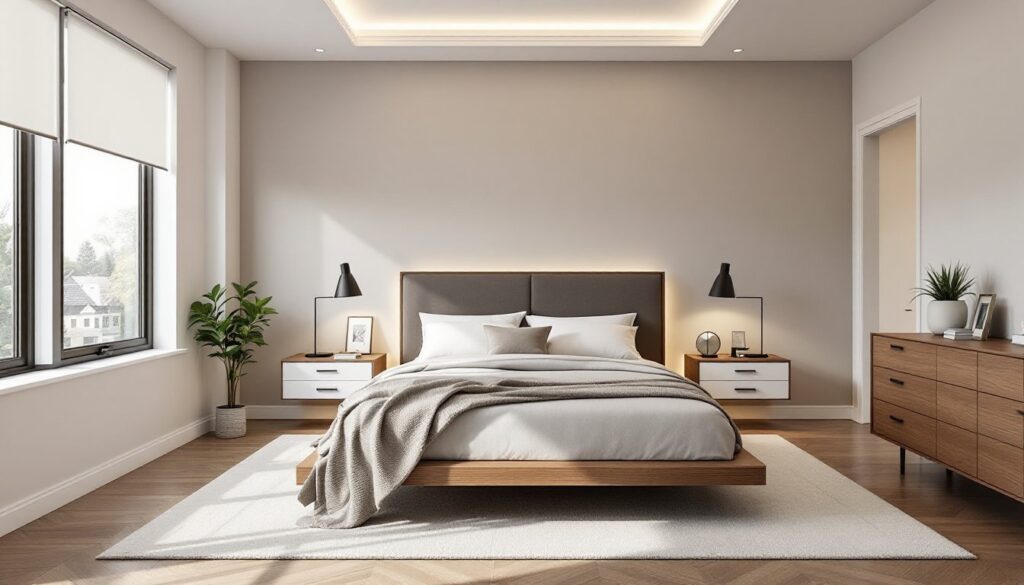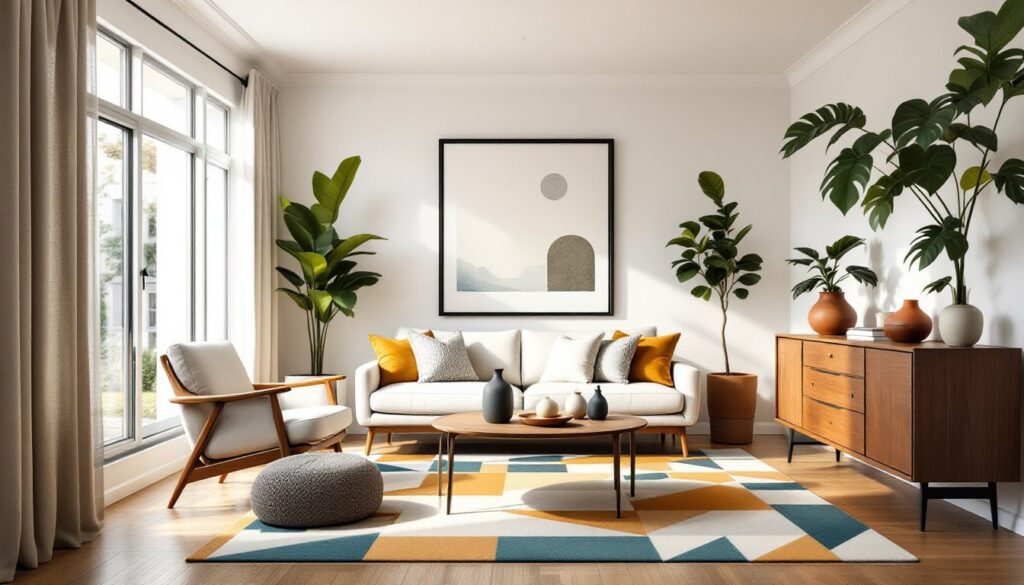

Interior design isn’t just for professionals anymore. With the right knowledge, homeowners can tackle their own spaces, choosing paint colors that actually work, arranging furniture for better flow, and creating rooms that feel intentional instead of accidental. Free online courses have made this expertise accessible without the cost of traditional design programs. Whether someone’s planning a full renovation or just wants to understand why their living room feels off, these courses offer practical skills that translate directly to real-world projects. No fluff, no expensive credentials, just usable design knowledge.
Table of Contents
ToggleKey Takeaways
- Free online interior design courses teach professional principles like color theory, space planning, and material selection, enabling homeowners to avoid costly design mistakes without expensive credentials.
- Top platforms including MIT OpenCourseWare, FutureLearn, YouTube, and Skillshare offer accessible free or low-cost interior design education covering everything from furniture arrangement to lighting design.
- Successful learners apply concepts immediately to real projects, measure spaces multiple times, and join design communities for feedback to build practical design skills.
- Understanding when to call professionals for structural, electrical, or plumbing work is essential—free online courses teach DIY design fundamentals but cannot replace licensed expertise for complex installations.
- Choosing the right course requires identifying your specific knowledge gap, checking instructor credentials, and evaluating whether the software used is free or requires expensive subscriptions.
Why Take Free Online Interior Design Courses?
Design courses give DIYers the vocabulary and framework to make better decisions. Instead of guessing whether a sofa will fit or what color temperature works in a north-facing room, students learn the principles that professionals use daily.
The practical benefits show up immediately. Homeowners avoid costly mistakes like buying furniture that’s too large for a space or selecting paint finishes that highlight wall imperfections. They understand concepts like scale, proportion, and visual weight, the reasons why some rooms feel balanced and others don’t.
Free courses also save money by reducing reliance on paid consultants for basic decisions. Someone who understands color theory and spatial planning can handle most residential projects independently, calling in professionals only for structural work or complex installations that require permits.
For those considering a career shift, free courses provide a low-risk way to test interest before investing in certification programs. The foundational knowledge transfers whether someone’s redesigning their own home or exploring professional options.
Top Platforms Offering Free Interior Design Education
University and Professional Institution Courses
Several universities offer free access to interior design coursework through open education initiatives. These courses typically cover fundamentals like space planning, color theory, and materials selection with the same rigor as paid programs, minus the official credential.
MIT OpenCourseWare includes architecture and design courses that address residential interiors, covering topics from lighting calculations to room acoustics. The materials include lecture notes, assignments, and reading lists, everything except live instruction and grading.
FutureLearn hosts courses from institutions like the University of Southampton and fashion schools that cross into interior styling. These run on fixed schedules with optional paid certificates, but the core content remains free. Topics range from sustainable design practices to historical design movements that inform contemporary aesthetics.
Professional organizations like the American Society of Interior Designers (ASID) occasionally offer free introductory webinars and recorded sessions. While not full courses, these provide current industry perspectives on code compliance, accessibility standards, and emerging materials.
Creative Learning Platforms and Design Communities
YouTube has become a surprisingly robust education source, with professional designers posting detailed tutorials. Channels cover everything from CAD software basics to furniture arrangement strategies for specific room dimensions. The quality varies, but established channels with consistent uploads and professional credentials offer reliable information.
Skillshare and Coursera provide limited free access to design courses. Skillshare offers month-long trials that give access to their full library, including courses on room styling, design software, and color palette development. Coursera’s audit option lets students access course materials without assignments or certificates.
Pinterest, often dismissed as inspiration-only, has evolved to include educational content. Many design firms and manufacturers post guides that explain design principles through visual examples, bridging the gap between theory and application.
Platform-specific tools also teach by doing. Canva offers free templates for mood boards and floor plans, with built-in tutorials that explain design fundamentals through the process of creating. Similarly, SketchUp provides free software alongside video tutorials for 3D space visualization, essential for understanding how changes will look before committing to materials and labor.
What You’ll Learn in Free Interior Design Courses
Most comprehensive free courses cover space planning fundamentals, how to measure rooms accurately, account for door swings and traffic patterns, and determine whether furniture dimensions will work in reality rather than imagination. This includes understanding nominal versus actual dimensions, critical when working with lumber or built-ins.
Color theory goes beyond picking pretty shades. Courses teach how light temperature affects color appearance, why undertones matter more than the paint chip suggests, and how to use the 60-30-10 rule (60% dominant color, 30% secondary, 10% accent) for balanced schemes that don’t overwhelm.
Material selection gets practical attention. Students learn to distinguish between laminate and veneer, understand when to spec solid wood versus engineered products, and recognize which flooring types suit high-traffic areas versus moisture-prone rooms. This knowledge prevents expensive do-overs.
Lighting design, often overlooked by DIYers, receives significant coverage. Courses explain the difference between ambient, task, and accent lighting, how to calculate lumens needed for specific activities, and why layered lighting prevents the harsh, single-source look that plagues amateur spaces.
Many courses introduce design software basics. Even free programs like SketchUp or Sweet Home 3D require guidance to use effectively. Tutorials walk through creating accurate floor plans, placing furniture to scale, and rendering spaces to preview finishes before buying materials.
Accessibility and universal design principles appear in better courses. Understanding ADA guidelines for clear floor space, counter heights, and doorway widths helps homeowners future-proof renovations, especially valuable for aging-in-place modifications that avoid later retrofits.
Some advanced free courses touch on historical design movements, not for academic interest, but to understand why certain styles use specific proportions, materials, and color palettes. This context helps DIYers replicate period looks accurately rather than creating vague approximations.
How to Choose the Right Course for Your Goals
Start by identifying the specific knowledge gap. Someone struggling with furniture arrangement needs different content than someone planning a kitchen remodel. General introductory courses cover broad principles, while specialized courses jump into kitchens, baths, or outdoor spaces.
Check the course structure against available time. Some platforms offer self-paced content that works for busy schedules, while others run on fixed timelines with weekly modules. For hands-on learners, courses that include assignments or projects provide better retention than passive video watching.
Review instructor credentials. Professional designers bring different expertise than hobbyists who’ve completed successful DIY decor projects. Both offer value, but understanding the source helps set appropriate expectations. Look for instructors with portfolios showing completed work or credentials from recognized design organizations.
Evaluate the software requirements. Courses teaching specific programs like AutoCAD or 20-20 Design may require expensive subscriptions, negating the “free” benefit. Prioritize courses using free or trial software unless already committed to a particular platform.
Read student reviews for practical feedback. Comments often reveal whether courses match their descriptions, if materials are outdated, or if instruction quality justifies the time investment. Pay attention to reviews from students with similar goals, a course praised by aspiring professionals might overwhelm someone wanting basic room refresh skills.
Consider prerequisite knowledge. Beginner courses assuming zero experience start with measuring tools and terminology. Intermediate courses may jump straight into furniture building plans or complex color schemes, frustrating learners without foundational knowledge.
Tips for Making the Most of Your Free Design Education
Apply concepts immediately to a real project. Theory sticks better when tested against actual rooms with real dimensions, budgets, and constraints. Start with a single space rather than attempting a whole-house transformation.
Create a physical reference library. Screenshot or save key lessons covering measurements, color ratios, and material specs. When standing in a paint aisle or lumber yard, having quick reference beats trying to remember lecture details.
Take measurements obsessively. Professionals measure multiple times for good reason, a quarter-inch matters when installing trim or ordering custom pieces. Practice with existing rooms to develop accuracy before starting new projects.
Join design communities for feedback. Free platforms like Reddit’s interior design forums or specialized Facebook groups let students share plans and get constructive criticism before committing to purchases. Experienced DIYers often catch issues beginners miss.
Invest time in software practice. Design programs have steep learning curves, but fluency pays off across multiple projects. Dedicate separate sessions to software skills rather than trying to learn the program while also planning a room.
Document projects with before-and-after photos. This creates a portfolio showing skill progression and helps identify what works. Reviewing completed projects reveals patterns, maybe color choices succeed but furniture scale needs work.
Understand when to stop and call professionals. Free courses teach a lot, but they can’t replace licensed expertise for structural changes, electrical work, or plumbing modifications. Knowing these limits prevents code violations and safety hazards that cost more to fix than hiring correctly the first time.
Budget for materials to practice techniques. Theory without application doesn’t build competence. Buy sample paint quarts to test colors in different light, or practice tile layouts with a single box before ordering for a full bathroom. Small material investments prevent large mistakes.