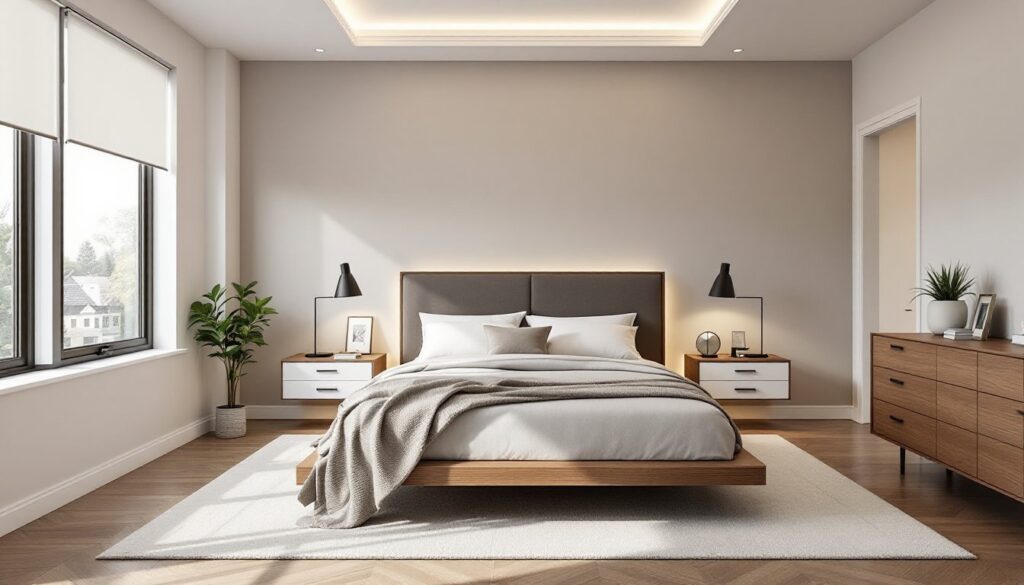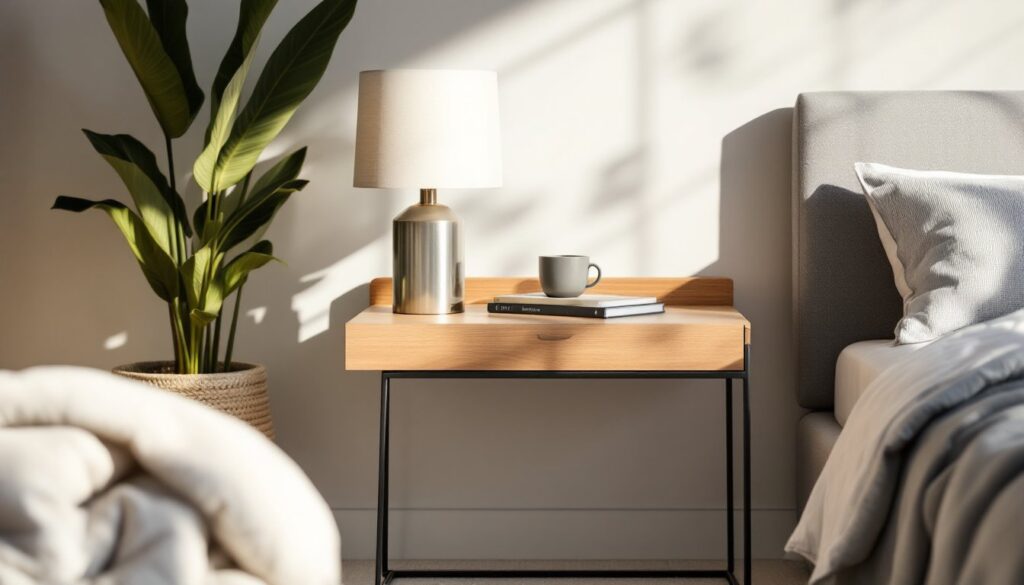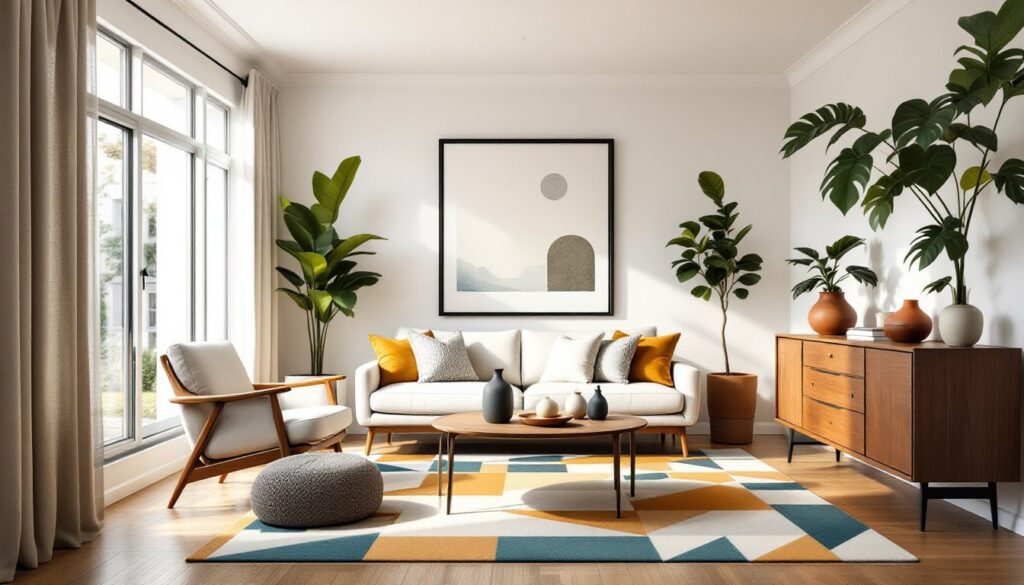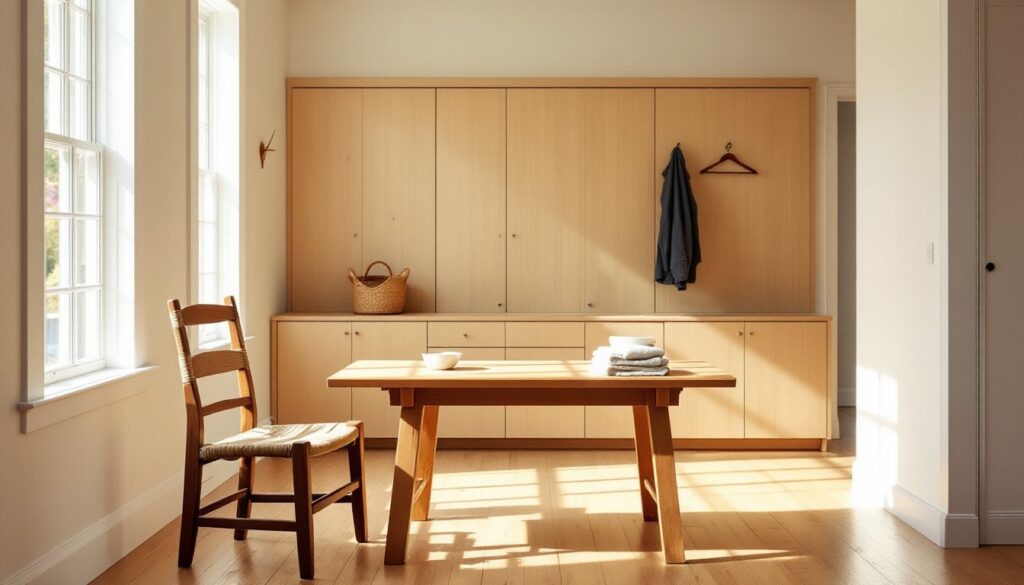

Shaker design has outlasted every trend precisely because it refuses to be trendy. Born from an 18th-century religious community that valued honest labor and material restraint, Shaker interiors strip away ornament and focus on what actually works. That philosophy, utility without apology, beauty through proportion, translates surprisingly well into contemporary homes where clutter and visual noise are constant battles. For homeowners drawn to clean lines, quality materials, and furniture built to last generations, Shaker style offers a tested blueprint that doesn’t demand perfection or a decorator’s budget.
Table of Contents
ToggleKey Takeaways
- Shaker interior design prioritizes utility, honest materials, and visible craftsmanship over ornament, making it a timeless alternative to trendy styles that fade quickly.
- Shaker furniture relies on durable hardwoods and authentic joinery like dovetails and mortise-and-tenon joints, which outlast shortcuts like pocket screws and cannot be replicated without proper woodworking techniques.
- Neutral palettes of whites, creams, soft grays, and natural wood finishes create calm, uncluttered spaces that work equally well in modern homes seeking visual simplicity and functional beauty.
- Built-in storage is the highest-impact upgrade for adopting Shaker style, using floor-to-ceiling shelving, pegboard rails, and frame-and-panel construction to hide clutter and maintain clean lines.
- Shaker kitchens excel with five-piece flat-panel cabinet doors, minimal hardware, and simple countertops like butcher block or soapstone, avoiding the decorative excess that distinguishes farmhouse and industrial styles.
What Is Shaker Interior Design?
Shaker interior design originated with the United Society of Believers, commonly called Shakers, who settled in America during the late 1700s. Their religious principles emphasized simplicity, functionality, and communal living, which translated into spare, meticulously crafted interiors free of decoration for decoration’s sake.
In practical terms, Shaker design means furniture and fixtures designed around use. Chairs have ladder backs because they’re comfortable and stackable. Cabinets feature flat-panel doors with minimal hardware because they’re easier to clean and repair. Rooms remain uncluttered because the Shakers built extensive built-in storage, pegboards, cupboards, drawers, into walls and alcoves.
Modern Shaker interiors retain that DNA: rectilinear forms, visible joinery (dovetails, mortise-and-tenon), natural wood finishes, and an absence of applied moldings or carvings. It’s not about austerity: it’s about letting materials and proportions do the aesthetic work. If a piece doesn’t serve a clear function, it doesn’t belong.
Core Principles of Shaker Style
Utility comes first. Every element in a Shaker interior must justify its presence through use. That means no purely ornamental trim, no superfluous hardware, and no furniture that sacrifices durability for looks. If a cabinet pull doesn’t feel comfortable in hand after 10,000 uses, it fails the standard.
Honesty in construction and materials. Shakers didn’t hide joinery or disguise wood species with heavy stains. Dovetail joints remain visible on drawer fronts. Maple, cherry, and pine appear in their natural tones, finished with oils or thin lacquers that highlight grain rather than mask it. If you’re building or renovating in this style, don’t cover solid wood with paint unless there’s a structural or historical reason.
Order and proportion over embellishment. Shaker rooms feel calm because they rely on symmetry, consistent reveals (the gaps around doors and drawers), and rhythmic spacing. A row of cabinet doors uses identical dimensions and hardware placement. Chair rails and baseboards remain simple, flat profiles, often just a 1×4 poplar or 1×6 pine board with a small chamfer.
Adaptability within constraints. The Shakers built for their needs, not fashion. Modern homes can adopt the same logic: design built-ins around your actual storage requirements, choose furniture scaled to room dimensions, and resist the urge to fill every corner. Less, done well, performs better than more done poorly.
Shaker Furniture: Function Meets Craftsmanship
Shaker furniture is where the style’s philosophy becomes tangible. Signature pieces include ladder-back chairs with woven tape seats, trestle tables with wedged tenons, and case goods (chests, cupboards) with flush-fit drawers and frame-and-panel construction.
Key characteristics:
- Tapered legs on chairs and tables, usually turned on a lathe but left unadorned
- Flat-panel doors on cabinets, often with a thin wood border (stiles and rails) surrounding a recessed center panel
- Peg rails mounted on walls at chair-rail height, used to hang everything from coats to candle sconces to chairs themselves (keeps floors clear for cleaning)
- Drawer boxes assembled with through-dovetails or half-blind dovetails, glued and often left unpainted inside
If you’re sourcing or building Shaker furniture, prioritize hardwoods, cherry, maple, birch, or white oak, for durability. Original Shakers used local species: modern builders can do the same. Softwoods like pine work for painted pieces but dent more easily under daily use.
For DIYers attempting Shaker-style builds, joinery matters. Pocket screws and biscuit joints won’t replicate the look or longevity of traditional mortise-and-tenon or dovetail connections. A basic router table and a set of chisels will get you closer to authentic results than relying solely on fasteners and glue.
Color Palettes and Materials in Shaker Interiors
Shaker color palettes lean heavily on neutrals and earth tones: whites, creams, soft grays, muted blues, and natural wood tones. Original Shaker communities used milk paint in limited colors, barn red, mustard yellow, slate blue, but modern interpretations favor lighter, airier palettes that suit contemporary lighting and open floor plans.
Wall treatments typically involve flat or low-sheen paints in warm whites (Benjamin Moore Swiss Coffee or Sherwin-Williams Alabaster are common choices). Avoid high-gloss finishes: they read too modern. If adding color, use it sparingly, a single accent wall in a soft blue-gray or greige rather than saturating the room.
Flooring should emphasize natural materials. Wide-plank hardwood in oak, maple, or reclaimed pine fits the aesthetic. If installing new flooring, consider ¾-inch solid hardwood in a natural or light stain rather than dark espresso tones, which skew more contemporary. For budget-conscious projects, luxury vinyl plank (LVP) in a matte wood-look finish works, but avoid glossy or overly distressed textures.
Textiles remain simple: linen, cotton, wool. Window treatments might be flat Roman shades in natural linen or simple wood shutters. Avoid heavy drapes, ruffles, or patterns. Upholstery on seating uses solid colors or subtle herringbone weaves.
Hardware and fixtures should be understated. Wrought iron or brushed nickel cabinet pulls, simple bin pulls, or wooden knobs all work. Avoid ornate backplates or anything with scrollwork. Lighting fixtures can be matte black or aged brass pendants with clean, geometric shapes, think industrial-Shaker hybrids popularized on many home design platforms recently.
How to Incorporate Shaker Design in Your Home
Shaker style doesn’t require a gut renovation. Start with one room or a few strategic updates that establish the aesthetic without overwhelming your budget or timeline.
Built-in storage is the most impactful change. Install floor-to-ceiling bookshelves with simple frame-and-panel construction, or add a wall-mounted pegboard rail in an entryway or mudroom. Use ¾-inch plywood or solid lumber for shelves: avoid wire racks or particleboard, which contradict the material honesty the style demands.
Replace dated trim and doors. Swap Victorian or Colonial-style baseboards and casings for flat-profile 1×4 or 1×6 boards with a slight chamfer or radius on the edges. Replace hollow-core doors with five-panel Shaker doors (widely available at home centers in both solid wood and MDF). If you’re painting, MDF accepts finish better and costs less: if staining, solid wood is the only option.
Furniture swaps can happen incrementally. Replace a bulky entertainment center with a low-profile media console in natural oak. Swap overstuffed armchairs for ladder-back dining chairs with woven seats. Look for pieces with visible joinery, tapered legs, and minimal hardware.
Declutter relentlessly. Shaker interiors depend on negative space. If countertops, shelves, and tabletops are crowded with tchotchkes, the clean lines disappear. Use built-in storage to hide everyday clutter and leave surfaces mostly bare.
Shaker Style in Kitchens and Cabinetry
Kitchens are where Shaker design shows up most often, and for good reason. Shaker-style cabinets feature a five-piece door: four pieces forming a flat frame (two vertical stiles, two horizontal rails) and a flat center panel that sits in a groove. The panel “floats” to allow for wood movement, a detail that matters if you’re building custom or refacing existing cabinets.
When selecting or building cabinetry:
- Use ¾-inch plywood or solid hardwood for the frame. Face-frame construction (a frame attached to the front of the cabinet box) is traditional and easier for DIYers than frameless European-style boxes.
- Choose inset doors (where the door sits flush inside the frame) for the most authentic look, or go with partial-overlay doors (which cover part of the frame) if budget or skill level is a constraint. Full-overlay doors look too modern.
- Keep hardware minimal: 2½-inch or 3-inch bin pulls in brushed nickel, oil-rubbed bronze, or matte black. Place them centered on drawers and on the top corner of doors, not centered.
- Finish with a matte or satin polyurethane if leaving wood natural, or use a high-quality cabinet-grade paint (Sherwin-Williams ProClassic or Benjamin Moore Advance) in white or soft gray. Avoid distressing or glazing: it muddies the clean aesthetic.
Countertops should be butcher block, soapstone, or white quartz with minimal veining. Granite with busy patterns or dark slabs clashes with Shaker simplicity. Backsplashes work best in white subway tile laid in a running bond or simple stacked pattern, skip herringbone or arabesque.
Kitchen designs following this approach often appear on showcase projects that emphasize understated elegance and functional beauty.
Shaker Design vs. Other Minimalist Styles
Shaker interiors share DNA with several minimalist movements but diverge in key ways.
Shaker vs. Scandinavian: Both favor light wood, neutral palettes, and uncluttered spaces. Scandinavian design leans warmer and cozier, think sheepskin throws, hygge lighting, and curvier organic forms. Shaker is more rigid: straight lines, less textile layering, and a focus on durability over comfort aesthetics.
Shaker vs. Modern Farmhouse: Farmhouse style borrows Shaker cabinetry and peg rails but adds rustic elements, distressed finishes, open shelving loaded with décor, apron-front sinks, and shiplap walls. Shaker avoids distressing and decorative excess. If your farmhouse kitchen feels cluttered or overly styled, it’s drifted from Shaker principles.
Shaker vs. Mid-Century Modern: Both value function and craftsmanship, but Mid-Century Modern embraces curves, molded plywood, and bold accent colors. Shaker furniture is rectilinear and restrained: a tapered Shaker leg is subtle compared to the angled splayed legs of a Mid-Century credenza.
Shaker vs. Industrial: Industrial interiors expose structure, brick, ductwork, steel beams. Shaker hides or integrates infrastructure cleanly. Both avoid ornament, but industrial leans hard into raw materials and utilitarian fixtures, while Shaker finishes surfaces carefully and values order.
Many design and DIY resources now blend these styles, but understanding the distinctions helps homeowners make intentional choices rather than mixing elements that conflict.