
Apartment living doesn’t mean sacrificing style or function. Whether you’re working with 400 square feet or 1,200, smart design choices can make any rental or condo feel spacious, organized, and uniquely yours. The best apartment interiors maximize every square inch without feeling cluttered, combining practical storage, flexible furniture, and intentional color and lighting decisions. This guide walks through proven strategies that work in real-world apartments, from studio layouts to multi-bedroom units, with an emphasis on renter-friendly solutions and budget-conscious DIY upgrades.
Table of Contents
ToggleKey Takeaways
- Apartment interior design thrives on intentional planning—measure your space, sketch a floor plan, and identify problem areas before purchasing furniture or making permanent changes.
- Multi-functional furniture like sofa beds, storage ottomans, and expandable dining tables maximize usable square footage in even the smallest apartments.
- Light color palettes, vertical storage solutions, and layered lighting make apartments feel spacious and more organized without sacrificing style or function.
- Renter-friendly upgrades such as peel-and-stick wallpaper, floating shelves with proper anchors, and DIY curtain rods personalize your space without losing your security deposit.
- Mirrors, exposed-leg furniture, and defined zones using area rugs and low bookcases keep sightlines open and prevent small spaces from feeling cramped or cluttered.
Understanding Your Apartment’s Layout and Potential
Before buying a single piece of furniture or paint sample, measure the space. Use a laser measure or a 25-foot tape measure to record room dimensions, ceiling height, window placement, door swing direction, and any permanent fixtures like radiators or built-in shelving. Note which walls are load-bearing (typically exterior walls and those running perpendicular to floor joists) since renters can’t remove or alter these without landlord approval and permits.
Sketch a basic floor plan on graph paper or use a free app like RoomSketcher or MagicPlan. Mark electrical outlets, light switches, and HVAC vents, these dictate where lamps, electronics, and furniture can realistically go. Pay attention to traffic flow: leave at least 36 inches of clearway between furniture pieces and in hallways.
Identify problem areas early. Low ceilings (under 8 feet) benefit from vertical stripes or floor-to-ceiling curtains. Awkward alcoves can become reading nooks or mini offices with the right furniture scale. Galley kitchens need slim storage solutions, not standard-depth cabinets. Duplex apartments often present creative opportunities for loft-style sleeping areas or double-height feature walls.
Document any existing damage (scuffed baseboards, nail holes, stained carpet) with photos and written notes. Share this with your landlord before making changes, it protects your security deposit and clarifies what’s fair game for modification.
Space-Maximizing Design Strategies for Apartments
Small spaces demand intentional planning. Start by editing belongings: if you haven’t used it in a year, donate or sell it. Less clutter means less visual noise and more usable floor area.
Use vertical space aggressively. Install floating shelves (anchored into studs with 3-inch wood screws or heavy-duty toggle bolts rated for at least 50 pounds) to store books, plants, and decor without eating into floor space. Wall-mounted desks, drop-leaf tables, and fold-down murphy beds free up square footage when not in use.
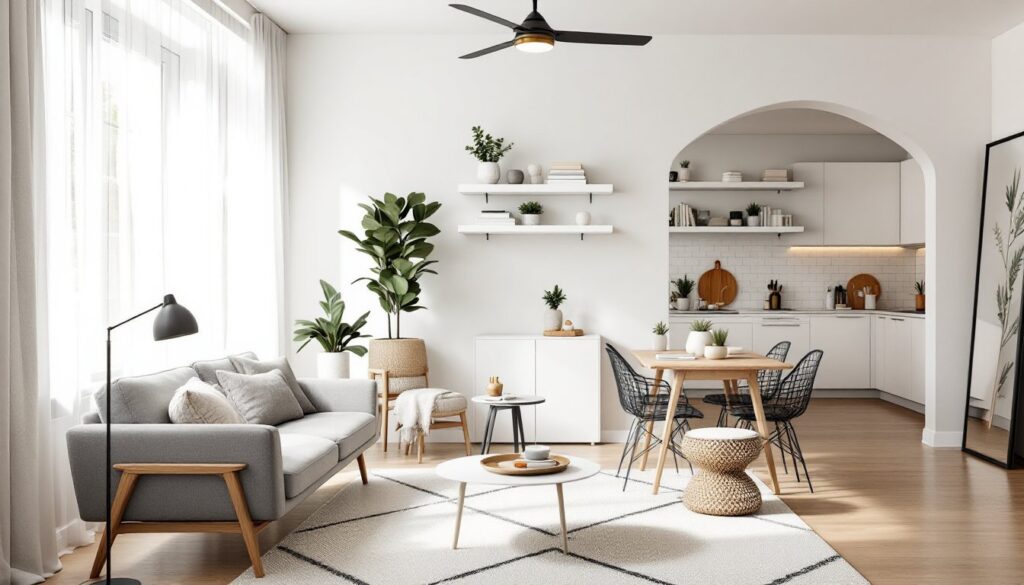
Define zones in open layouts. Area rugs, low bookcases, and furniture placement can create visual boundaries between living, dining, and sleeping areas without building walls. In studios, a bookshelf perpendicular to the wall or a curtain track mounted to the ceiling (use a stud finder and ceiling joists for support) can section off a bedroom nook.
Keep sightlines open. Furniture with exposed legs (mid-century modern sofas, wire chairs) and glass or acrylic tables let light and sight pass through, making rooms feel larger. Avoid bulky, floor-to-ceiling pieces that block windows or create visual dead ends.
Multi-Functional Furniture Solutions
Invest in pieces that pull double duty. A sofa bed or sleeper sectional accommodates overnight guests without dedicating a room to a rarely used guest bed. Storage ottomans provide seating, a footrest, and hidden space for blankets or board games.
Look for dining tables with drop leaves or extendable mechanisms, IKEA’s NORDEN and similar models expand from a compact 2-person size to seat 6 when needed. Nesting tables and stackable stools tuck away when not in use.
Bed frames with built-in drawers (platform beds or captain’s beds) replace a dresser in tight bedrooms. If building a simple platform bed frame, use 2×10 or 2×12 pine or fir boards (actual dimensions: 1.5″ × 9.25″ or 1.5″ × 11.25″) for the frame and ¾-inch plywood for the deck. Secure with 3-inch deck screws and add caster wheels for easy cleaning underneath.
Choosing the Right Color Palette for Small Spaces
Light colors reflect more light and visually expand walls, but that doesn’t mean everything must be builder-grade white. Soft neutrals, warm grays, greiges, pale blush, or light sage, add personality without closing in the space.
Paint the ceiling the same color as the walls or one shade lighter to blur boundaries and make the room feel taller. If the landlord allows painting, use a high-quality primer (like Zinsser Bulls Eye 1-2-3 or Kilz PVA) before applying two coats of low-VOC latex paint. One gallon typically covers 350-400 square feet, so a 10×12 room (wall area roughly 400 sq ft with 8-foot ceilings) needs about a gallon.
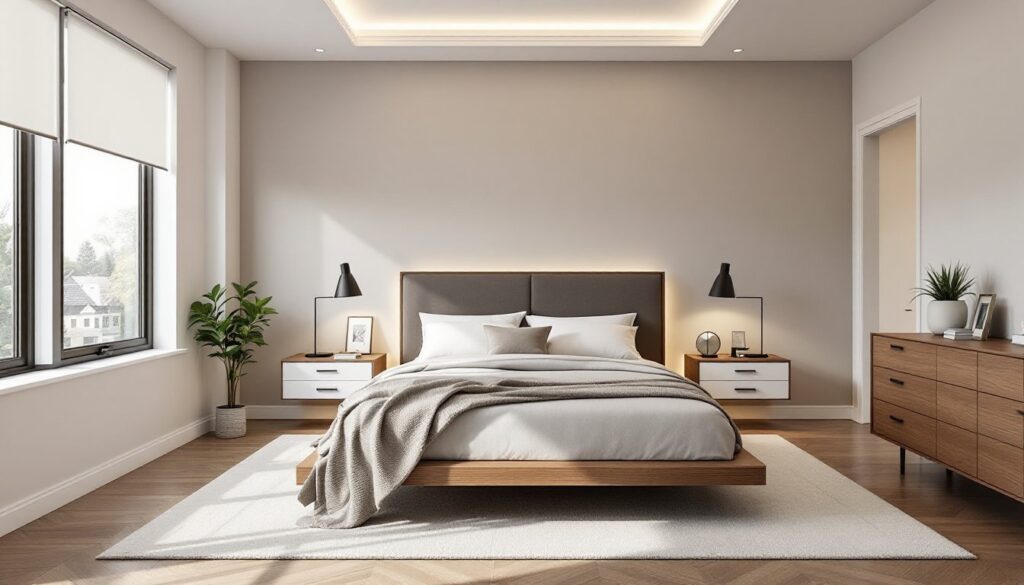
Accent walls work in apartments, but keep them strategic. Paint the wall opposite the main entry or behind the bed, this adds depth without overwhelming the space. Darker accent colors (charcoal, navy, forest green) can actually make a room feel cozier and more intentional if the other three walls stay light.
Renters who can’t paint should use peel-and-stick wallpaper on one wall or inside a bookshelf for removable color. Test adhesion on a small corner first, some older paints (pre-1980s especially) may peel when the wallpaper is removed.
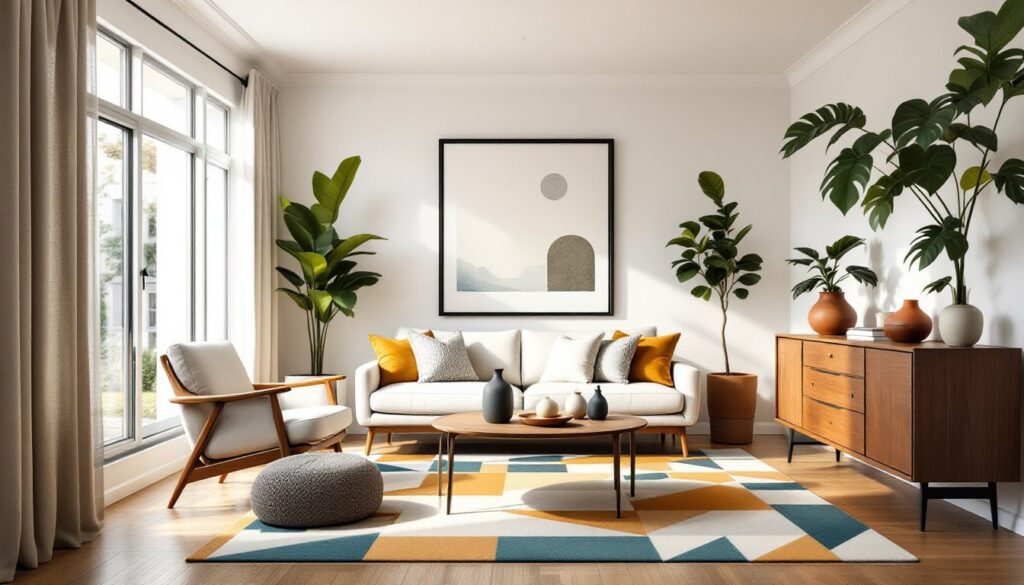
Coordinate textiles (rugs, throw pillows, curtains) within a 3-color palette to unify the space. For instance: soft gray walls, white trim, and pops of mustard yellow and charcoal in accessories. This feels cohesive without being matchy-matchy.
Smart Storage Solutions That Don’t Sacrifice Style
Apartments rarely come with enough closet space, so creative storage is non-negotiable. The goal: hide clutter without making the space feel like a storage unit.
Closet organizers are a renter’s best friend. Hanging shelves, shoe racks, and slim velvet hangers (which take up half the space of plastic ones) can double closet capacity. Add a tension rod midway down for a second hanging tier for shirts and pants.
Under-bed storage is prime real estate. Use low-profile bins (6-8 inches tall) for out-of-season clothes or extra linens. If the bed frame doesn’t provide clearance, add bed risers, choose models rated for at least 1,200 pounds to safely support a queen mattress and frame.
Kitchens need vertical solutions. Install a pegboard (¼-inch tempered hardboard) inside a cabinet door or on an empty wall for pots, utensils, and cutting boards. Use 1¼-inch pan-head screws into studs or drywall anchors rated for 30+ pounds. Magnetic knife strips and under-shelf baskets maximize existing cabinet space.
Bathroom storage benefits from over-the-toilet shelving units (look for models 24-27 inches wide to fit standard toilet widths) and shower caddies that hang from the showerhead rather than suction-cup models that constantly fall.
For a polished look, choose storage in consistent materials, all woven baskets, all white bins, or all natural wood crates. Mismatched storage reads as chaotic even when organized.
Lighting Techniques to Enhance Your Apartment
Most apartments come with mediocre overhead lighting and few built-in fixtures. Layered lighting, ambient, task, and accent, makes spaces feel larger, warmer, and more functional.
Replace builder-grade fixtures if allowed. Swapping a basic dome light for a semi-flush mount or pendant takes 20 minutes. Turn off the breaker, remove the old fixture, connect wires (black to black, white to white, ground to ground or green), secure the mounting bracket to the electrical box, and attach the new fixture. Use wire nuts rated for the wire gauge (usually 14 AWG or 12 AWG in residential), and confirm connections are tight.
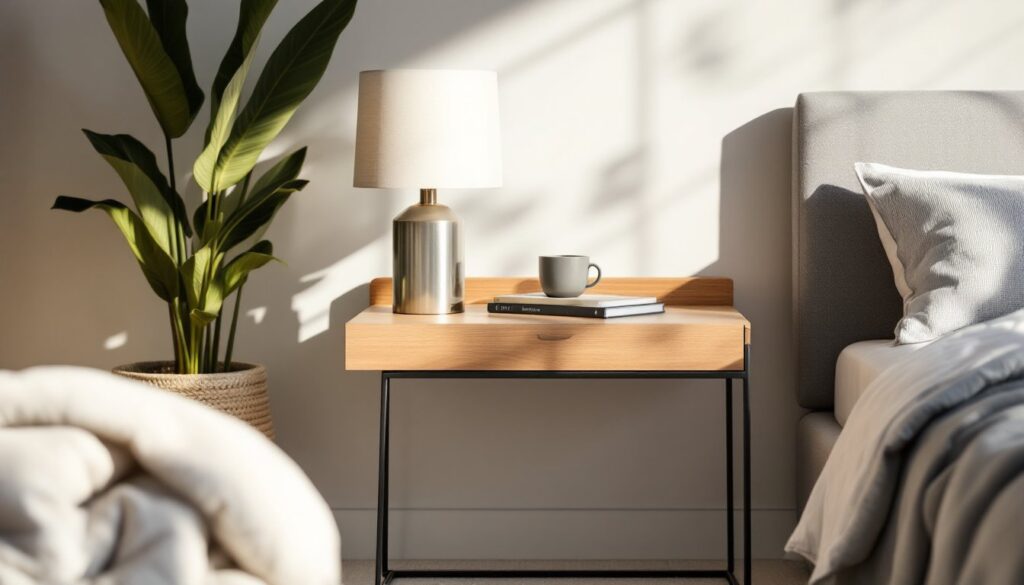
If you can’t change fixtures, add floor lamps and table lamps to supplement overhead light. Aim for 3-4 light sources per room. In a living room, that might be a floor lamp by the sofa, a table lamp on a side table, a desk lamp, and a plug-in sconce on the wall.
Install dimmer switches for adjustable ambiance. Lutron Caseta and similar smart dimmers are renter-friendly, save the original switch and reinstall it when moving out. Always turn off the breaker before working with electrical switches.
Use LED bulbs to save energy and reduce heat. Choose 2700K-3000K (warm white) for living spaces and bedrooms, 4000K-5000K (cool white) for kitchens and bathrooms. A 60-watt equivalent LED provides around 800 lumens.
Mirrors amplify natural and artificial light. Hang a large mirror opposite a window to bounce daylight deeper into the room. Use a stud finder and secure with appropriate wall anchors, toggle bolts or masonry anchors depending on wall type, to hold at least 30 pounds for a typical 24×36-inch framed mirror.
Budget-Friendly DIY Projects for Apartment Dwellers
Personalize your space without losing your deposit or your savings. These renter-friendly projects require minimal tools and no permanent alterations.
Peel-and-stick backsplash tiles transform dated kitchens in an afternoon. Clean the wall with TSP or degreaser, let it dry completely, then apply tiles row by row. Brands like Smart Tiles or Tic Tac Tiles cost $8-12 per square foot and remove cleanly.
Floating shelves add display space without drilling into studs (if using hollow wall anchors). For a 10-inch deep × 48-inch wide shelf holding books, use at least two heavy-duty toggle bolts rated for 50-75 pounds each. Pre-drill holes, insert anchors, and mount the bracket before sliding the shelf on.
DIY curtain rods from copper pipe cost a fraction of designer versions. Buy ¾-inch copper pipe from a home center, cut to length with a pipe cutter (about $15), and mount with pipe flanges screwed into the wall above the window. Add finials (decorative end caps) by soldering or using compression fittings if you’re uncomfortable with a torch.
Refinish thrifted furniture instead of buying new. Strip old paint or varnish with a citrus-based stripper (wear gloves and ventilate), sand with 120-grit then 220-grit sandpaper, and apply water-based polyurethane or chalk paint. A $30 side table from Craigslist becomes a custom piece.
Frame fabric as artwork. Stretch fabric (from affordable home decor retailers or fabric stores) over canvas stretcher bars or in thrift-store frames. Staple the back with a staple gun, and hang with command strips.
Create a gallery wall with a mix of art, photos, and mirrors. Lay out the arrangement on the floor first, then transfer to the wall using painter’s tape as guides. Use picture-hanging strips for lightweight frames (under 5 pounds) or traditional picture hangers with nails for heavier pieces.
These small upgrades, paired with smart furniture choices and lighting, turn generic apartments into spaces that reflect personal style. Browse trusted resources like Dwell for modern design ideas to see how professionals handle similar challenges in compact urban spaces.