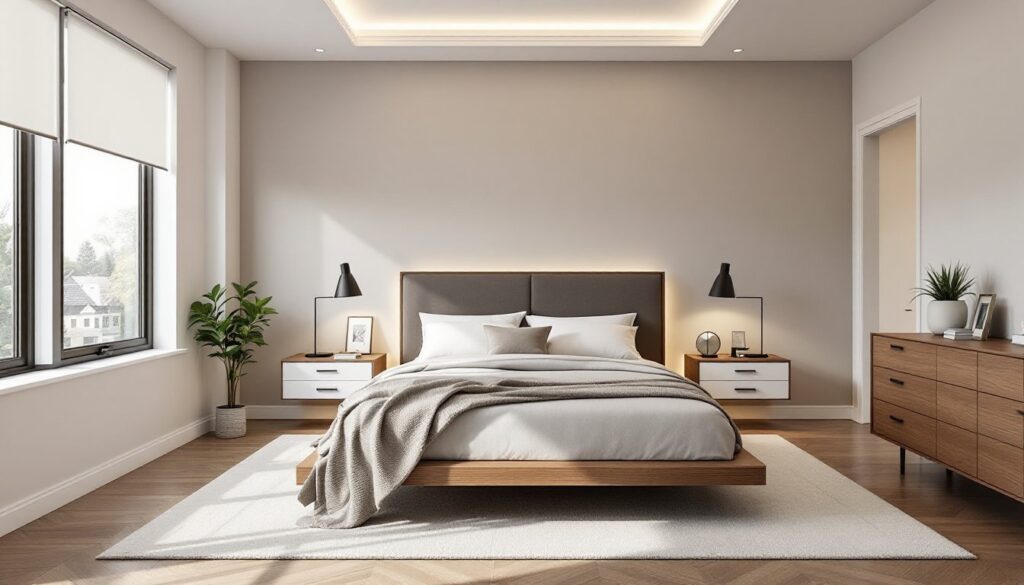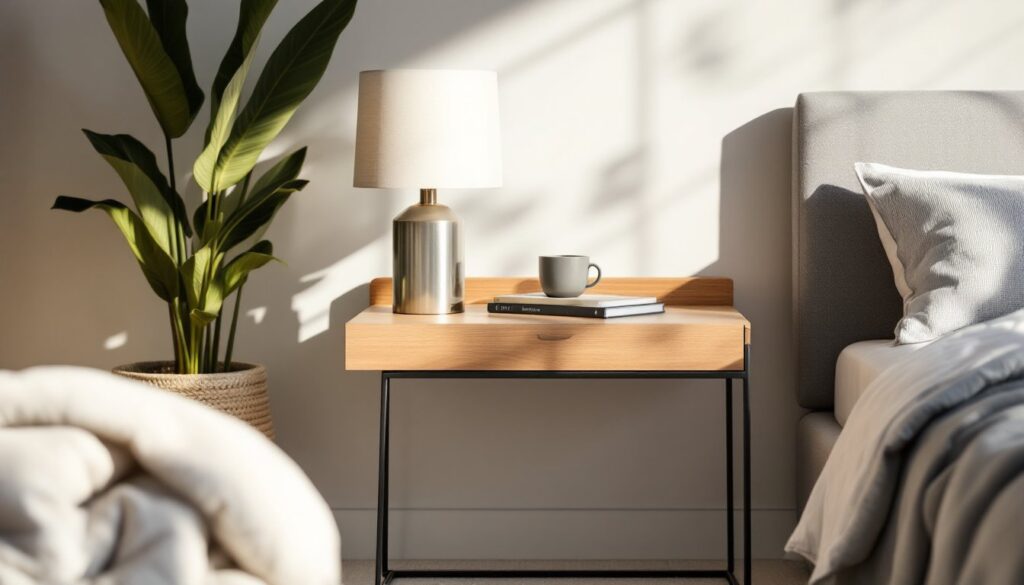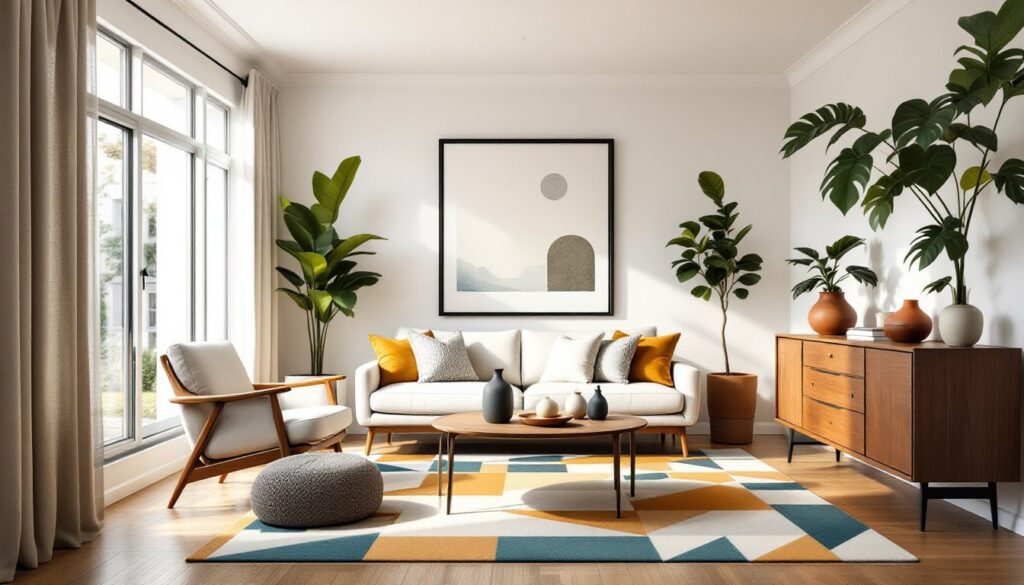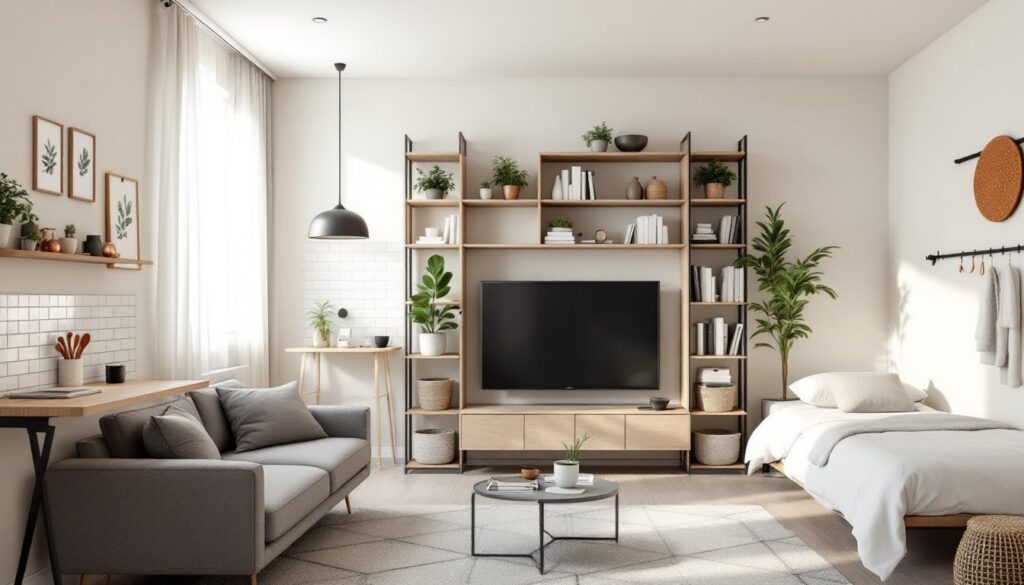

Living in a studio apartment doesn’t mean sacrificing style or function, it just means getting smarter with every square foot. With the right layout strategy, furniture choices, and design tricks, a 400-square-foot studio can feel just as livable as a one-bedroom. The key is treating the space as a series of overlapping zones rather than a single room, using visual boundaries instead of walls, and choosing every piece with intention. Whether someone’s downsizing, moving to a city, or just working with what they’ve got, a well-designed studio can feel open, organized, and genuinely comfortable.
Table of Contents
ToggleKey Takeaways
- Studio apartment interior design thrives when you map functional zones (sleeping, living, cooking) using visual boundaries like shelving and rugs instead of walls.
- Multifunctional furniture—such as Murphy beds, storage ottomans, and nesting tables—are essential to maximize floor space without sacrificing comfort or style.
- Light neutral colors, strategic lighting layers, and vertical storage solutions make a studio feel open and organized while maintaining practical functionality.
- Area rugs and furniture arrangement define separate zones and create implied walls that enhance the sense of distinct living areas.
- Editing ruthlessly and choosing intentional decor—along with mirrors, plants, and clear surfaces—prevents visual clutter and makes small spaces feel genuinely livable.
Understanding Your Studio Layout and Spatial Zones
The first step in designing a studio is mapping out functional zones based on how the space will actually be used. Most studios need at least three areas: sleeping, living, and cooking. Some require a workspace, too.
Start by identifying fixed elements, windows, entry doors, kitchen counters, closets, and any alcoves or architectural breaks. These anchor the layout. A bed usually goes farthest from the entry and closest to windows for natural light and privacy. The living zone sits near the entry or between the sleeping and kitchen areas, acting as a buffer. If there’s a workspace, it should have access to natural light and power outlets, often near a window or along a wall adjacent to the kitchen.
Measure everything. Sketch a floor plan to scale (graph paper works fine, or use a free tool like RoomSketcher). Mark door swings, radiator or HVAC vent locations, and outlet placement. This prevents buying a sofa that blocks the only closet or a bed frame that covers the baseboard heater.
Pay attention to traffic flow. There should be a clear path from the entry to each zone without squeezing between furniture. A 24- to 30-inch walkway is the minimum for comfortable movement. If the layout forces awkward zigzagging, it’s time to rethink furniture placement or size.
Smart Furniture Choices That Work Double Duty
Every piece of furniture in a studio should earn its footprint. Multifunctional furniture isn’t just a space-saving buzzword, it’s a practical necessity when square footage is tight.
A Murphy bed or wall bed folds up when not in use, freeing floor space during the day. Modern versions come with built-in shelving, desks, or sofa fronts. If that’s not an option, a daybed or sleeper sofa serves as both seating and sleeping surface. Look for one with a real mattress, not just a fold-out frame, sleep quality matters.
Storage ottomans and benches with lift-top seats provide hidden space for linens, off-season clothes, or miscellaneous gear while doubling as extra seating. A dining table with drop leaves or an extendable design can shrink for daily use and expand when guests come over. Wall-mounted or fold-down tables work well in tight kitchens or as desks.
Nesting tables and stackable stools offer flexibility, pull them out when needed, tuck them away when not. A bookshelf room divider (open on both sides) separates zones while providing storage and maintaining sightlines, which keeps the space feeling larger.
Many small space furniture ideas prioritize slim profiles and modular designs, so pieces can adapt as needs change. Avoid oversized sectionals or bulky armchairs, scale matters. Measure doorways and hallways before buying anything: a sofa that won’t fit through the door is a very expensive mistake.
Creating Visual Separation Without Walls
Studios lack walls, but that doesn’t mean every zone has to bleed into the next. Visual dividers create a sense of rooms without the cost, permanence, or permit requirements of framing and drywall.
Open shelving units (like the classic IKEA Kallax, or similar cube organizers) act as see-through partitions. Place one perpendicular to a wall to separate the bed from the living area. Stock it with books, baskets, or decor to add function and personality.
Curtains or fabric panels mounted on ceiling tracks are a budget-friendly, renter-safe option. Choose a medium-weight fabric, sheer won’t provide privacy, and blackout can feel heavy. Curtains can be drawn at night for separation and pulled back during the day to open up the space.
Tall plants (fiddle leaf figs, snake plants, or bamboo) soften hard edges and subtly mark boundaries. A row of planters on a low console creates a living screen without blocking light.
Furniture arrangement itself can define zones. Positioning the back of a sofa toward the bed creates an implied wall. An area rug under the living zone and a different rug or mat under the dining table signals separate functions without a single stud.
Using Rugs and Lighting to Define Areas
Area rugs are one of the most effective, and reversible, ways to carve out zones. Use different rug styles, colors, or textures for each area. A plush shag rug under the bed, a low-pile or flatweave rug in the living zone, and a durable indoor-outdoor rug under the dining table create clear distinctions.
Make sure rugs are appropriately sized. A common mistake is choosing a rug that’s too small, under a sofa, the front legs should sit on the rug. Under a dining table, the rug should extend at least 24 inches beyond the table edge on all sides so chairs don’t catch when pulled out.
Lighting layers also shape how a space feels and functions. Overhead lighting alone flattens a room. Instead, combine ambient, task, and accent lighting. A ceiling fixture or track lighting provides general illumination. A floor lamp next to the sofa or a desk lamp over the workspace delivers focused light. String lights, LED strips, or a table lamp near the bed add warmth and mood.
Dimmer switches (or smart bulbs) let residents adjust lighting by time of day or activity. Warmer color temperatures (2700K–3000K) feel cozy in living and sleeping areas: cooler temps (3500K–4000K) work better for task lighting in kitchens or desks.
Recent trends in modern apartment layouts emphasize flexible lighting systems that adapt to changing routines, important in a space that shifts from bedroom to office to dining room within a few hours.
Color Schemes and Patterns That Expand Small Spaces
Color and pattern choices can make a studio feel cramped or airy. The right palette won’t add square footage, but it will change how the brain perceives the space.
Light, neutral base colors, whites, soft grays, beiges, and warm taupes, reflect more light and create a sense of openness. This doesn’t mean the space has to be boring. Accent walls, colorful furniture, art, and textiles add personality without overwhelming.
If painting is allowed, consider painting walls and trim the same color to blur boundaries and make walls recede. Satin or eggshell finishes are more practical than flat paint in high-traffic areas, they’re easier to wipe down.
Cool tones (blues, greens, soft lavenders) tend to recede visually, making walls feel farther away. Warm tones (reds, oranges, deep yellows) advance and can make spaces feel smaller. Use warm colors sparingly as accents.
Vertical stripes on an accent wall can make ceilings feel higher. Horizontal stripes can widen a narrow room, but use them cautiously, they can also make a space feel squat if the ceiling is already low.
Large-scale patterns often work better than small, busy prints in tight spaces. A big geometric or floral print on throw pillows or a duvet won’t feel as cluttered as tiny, intricate designs. That said, keep patterns to one or two zones to avoid visual chaos.
Monochromatic schemes, using varying shades of a single color, create cohesion and flow. Layering textures (linen, wool, wood, metal) within the same color family keeps things interesting without adding visual weight.
Vertical Storage Solutions and Wall-Mounted Ideas
In a studio, vertical space is prime real estate. If storage isn’t going up, it’s eating into the limited floor area.
Floating shelves are a renter-friendly (and owner-smart) way to add storage without bulk. Install them above desks, sofas, or beds for books, plants, or decor. Use a stud finder and mount shelves into studs for weight-bearing capacity, drywall anchors work for lightweight items, but anything heavier needs solid backing.
Wall-mounted desks or fold-down tables free up floor space when not in use. Products like the IKEA Norberg or similar drop-leaf designs attach directly to the wall and fold flat. Pair with a wall-mounted monitor arm to keep the desk surface clear.
Pegboards aren’t just for garages. Mounted in a kitchen, entryway, or workspace, they hold utensils, tools, keys, bags, and more. Paint them to match the wall or make them a design feature.
Tall bookcases (at least 72 inches high) maximize storage without sprawling. Anchor them to the wall with furniture straps or L-brackets, especially in seismic zones or homes with kids or pets, top-heavy units can tip.
Hooks and rails are underrated. A row of sturdy hooks near the entry handles coats, bags, and hats. A pot rail in the kitchen frees up cabinet space. Towel bars can double as holders for magazines, cutting boards, or even kitchen utensils.
Over-door organizers add hidden storage in closets or on bathroom doors. Look for models with pockets or hooks, not flimsy plastic that sags under weight.
Exploring creative storage layouts can spark ideas for awkward corners or underutilized walls, studios often have oddball dimensions that need custom thinking.
Styling Tips for a Cohesive Yet Functional Studio
A well-designed studio feels intentional, not chaotic. That requires restraint, editing, and a clear style direction.
Choose a consistent style or aesthetic. Whether it’s mid-century modern, Scandinavian minimalism, industrial, or bohemian, stick with a cohesive look. Mixing too many styles in a small space creates visual clutter.
Edit ruthlessly. Every item should serve a purpose or bring genuine joy. If it’s neither useful nor beautiful, it’s taking up space. This is especially true for decor, three well-chosen pieces beat a dozen random tchotchkes.
Use mirrors strategically. A large mirror opposite a window reflects natural light and makes the room feel bigger. Mirrored closet doors (if they’re an option) double the perceived space. Avoid placing mirrors directly across from the bed if it feels awkward, sleep quality beats design trends.
Keep surfaces clear. Open counter and table space makes a studio feel less cramped. Use trays or small baskets to corral daily items (keys, remotes, charging cables) so they don’t spread.
Invest in good window treatments. Blackout roller shades or cellular shades provide privacy and light control without eating visual space. Layer with sheer curtains for softness if desired. Avoid heavy drapes that overwhelm small windows.
Add greenery. Plants improve air quality and add life to the space. Low-maintenance options like pothos, snake plants, or ZZ plants thrive in various light conditions and don’t require constant care.
Personalize thoughtfully. Art, photos, and meaningful objects make a studio feel like home, just keep the scale appropriate. One large piece of art has more impact than a gallery wall of tiny frames in a small space.
Finally, leave room to breathe. Not every corner needs to be filled, and not every wall needs decor. Negative space is a design element, too, it gives the eye a place to rest and prevents the space from feeling overwhelming.