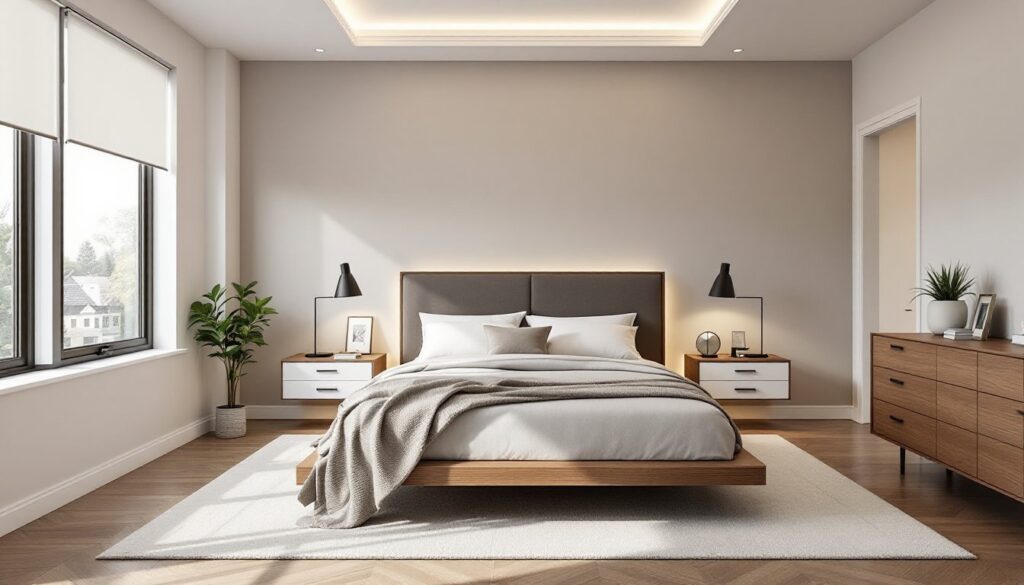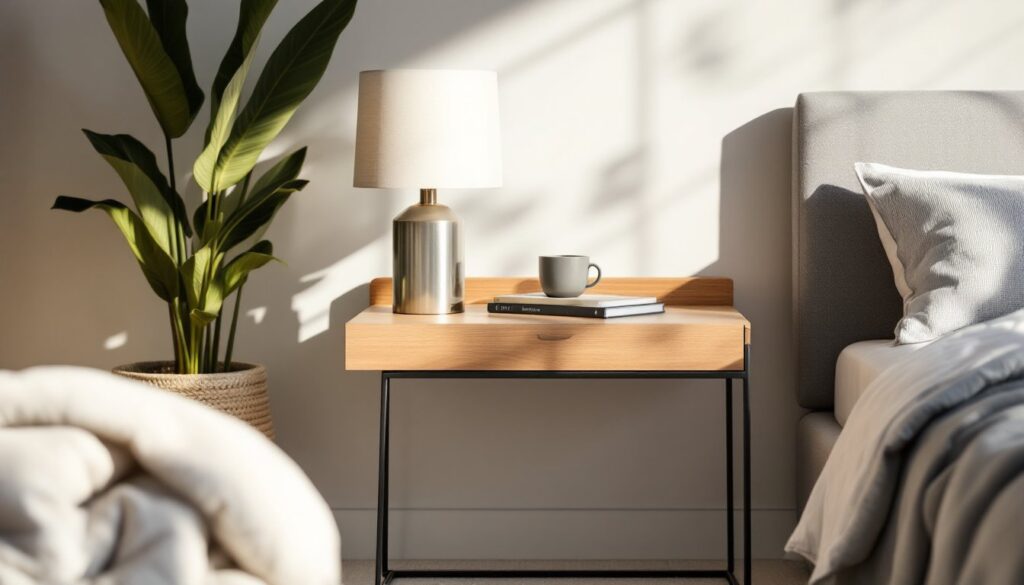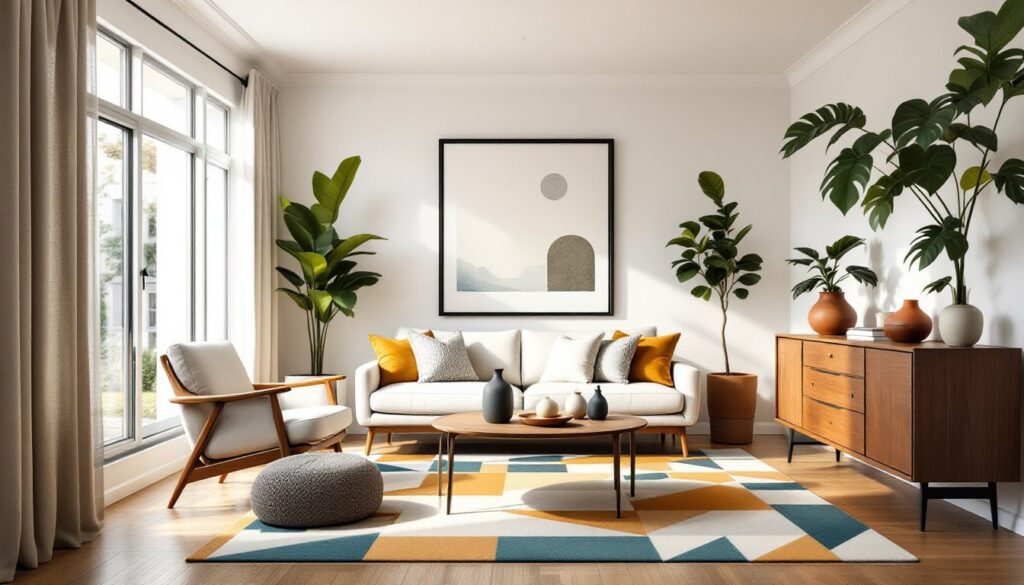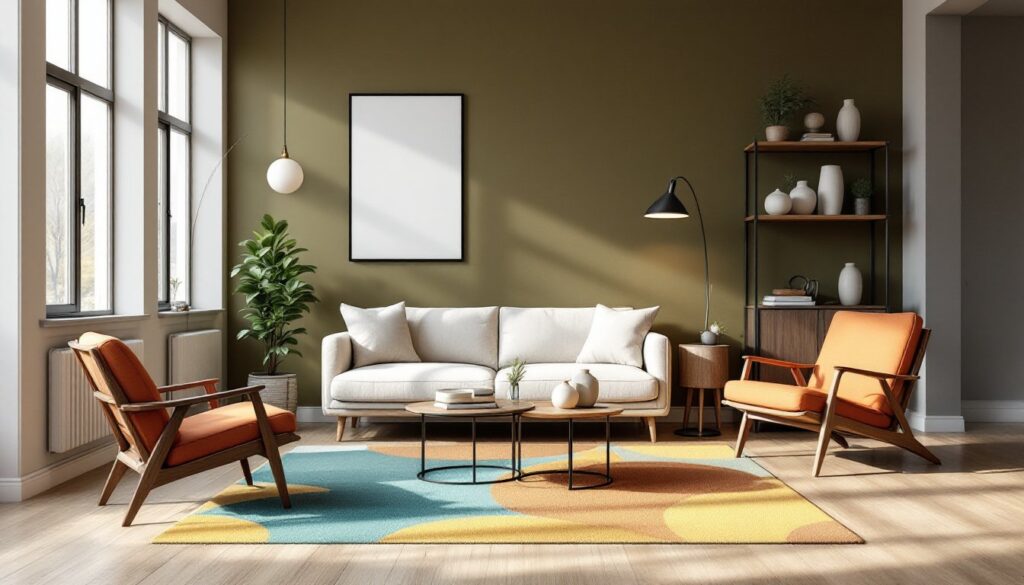

Mid-century modern interior design has made a solid comeback, and it’s here to stay. If you’re drawn to clean lines, warm wood tones, and furniture that actually looks good while serving a purpose, you’re already halfway sold on the mid-century decorating style. Unlike trendy design movements that fade in a season or two, this aesthetic, born roughly between 1945 and 1970, remains a smart, adaptable choice for any home. The beauty of mid-century modern interior lies in its versatility: you can go full retro with authentic vintage pieces, blend it with contemporary elements, or cherry-pick a few signature items to update a single room. This guide walks you through the essentials, so you can bring genuine mid-century style into your space without guessing or overspending.
Table of Contents
ToggleKey Takeaways
- Mid-century decor style prioritizes clean lines, honest materials, and form-follows-function principles, making it a versatile and timeless choice for any home.
- Essential mid-century modern furniture pieces include low-profile sofas, tapered-leg tables, credenzas, and floating shelves, which can be found affordably through thrift stores, estate sales, and online marketplaces.
- Build a mid-century color palette with neutral walls and purposeful accent colors like mustard, burnt orange, and teal, keeping patterns restrained to geometric designs on textiles rather than wallpaper.
- Statement lighting—such as sputnik chandeliers, arc floor lamps, and tripod lamps with brass or wood bases—is crucial to authentic mid-century modern interior design and elevates any space.
- Transform your space on a budget by painting walls, hunting for quality vintage frames to reupholster, and strategically upgrading existing furniture with simple hardware swaps and tapered legs.
What Defines Mid-Century Modern Design
Mid-century modern interior design distills down to a few non-negotiable principles: form follows function, minimal ornamentation, and honest materials. Unlike Victorian or ornate styles heavy on decoration, mid-century pieces strip away excess and let the structure and materials speak for themselves.
Look for straight lines, tapered legs (especially on furniture), organic curves, and asymmetrical layouts. Wood, particularly walnut, teak, and rosewood, dominates the palette. You’ll see metal accents (brass, steel, aluminum), leather upholstery, and glass tabletops paired alongside the wood. The mid-century decorating style also embraces functionality: storage isn’t hidden in cabinets: it’s a visual element. Floating shelves, credenzas, and open bookcases became design features, not afterthoughts.
Color-wise, mid-century leans toward warm, earthy tones with geometric patterns. Think mustard yellow, olive green, burnt orange, and slate blue rather than pastels or neutrals. The style rejects heavy drapes and fussy details, everything serves a purpose and contributes to the overall aesthetic. Mid-century modern design principles, which remain core to the style’s enduring appeal.
Core Furniture Elements and Where to Find Them
Essential Pieces for Authentic Mid-Century Rooms
You don’t need every iconic item to achieve mid-century modern interior style, but a few anchor pieces set the tone. A low-profile sofa with tapered legs and arms that sit lower than the seat back is foundational. Pair it with a simple coffee table in wood or metal: glass tops with metal frames work beautifully. Add a sideboard or credenza (a long, low storage unit with cabinet doors and drawers) as a functional and visual centerpiece.
Seating rounds out the look: look for lounge chairs or accent chairs with a sleek frame, minimal padding, and tapered legs. Think Eames-inspired designs, you don’t need the $6,000 originals. Reproductions and vintage finds from thrift stores, online marketplaces, and local furniture shops offer the same silhouette at a fraction of the price.
Tables are essential too. A dining table with tapered legs and a simple top (wood, glass, or a combination) and a narrow console table for entryways or behind sofas anchor the mid-century decorating style. Storage is non-negotiable: floating shelves or a mid-century bookcase with open shelving and solid supports define the aesthetic.
Where to shop: Estate sales, Facebook Marketplace, Craigslist, and local vintage furniture shops often stock authentic pieces at reasonable prices. For new reproductions, retailers like West Elm, Article, and Wayfair offer mid-century inspired collections. Online, search “mid-century modern reproduction” or “Eames-style” to narrow results.
Color Palettes and Patterns That Work
Mid-century modern interior design thrives on a purposeful color palette. Start with a neutral base: soft whites, warm grays, or natural wood tones for walls and larger furniture. Then introduce mid-century accent colors: warm mustard, burnt orange, olive green, teal, and warm coral. These aren’t pastels, they have body and warmth.
Pattern shows up in textiles, not wallpaper: geometric patterns, sunburst designs, and abstract prints appear on cushions, area rugs, and throws. Keep patterns restrained and intentional. A patterned rug anchors a living room: a single patterned accent pillow adds visual interest without chaos.
For a living room, try: warm wood floor or light wood-grain area rug, a cream or soft gray sofa, burnt orange or mustard accent chair, a patterned throw pillow in teal and orange, and a simple table lamp with a warm brass base. The result feels curated, not random.
If your walls are neutral, you can afford bolder accents. A deep teal or forest green accent wall (just one wall) paired with warm wood and brass lighting makes a powerful statement. Avoid over-saturating: three to four colors maximum keep the space feeling intentional and calm, not kitschy.
Lighting and Accessories for Maximum Impact
Lighting elevates mid-century modern interior design from basic to authentic. Forget recessed cans and overhead fixtures. Instead, opt for sputnik chandeliers (starburst-style fixtures with multiple arms), arc floor lamps (tall lamps with curved arms reaching over seating), and tripod lamps with simple linen or paper shades. Brass, black metal, and natural wood bases are signature finishes.
Table lamps sit on sideboards and end tables. Look for designs with simple ceramic or wooden bases, minimal stems, and neutral fabric shades. The lamp shouldn’t scream “mid-century”, it should quietly confirm it.
Accessories should feel sparse and intentional. A few geometric ceramic vases, a simple wooden bowl for a coffee table, a vintage clock with a simple face and thin hands, and framed abstract art or black-and-white photography give personality without clutter. Textiles matter: a geometric area rug, a chunky knit throw, and patterned or solid linen pillow covers in complementary colors layer warmth and texture.
Plants fit naturally into the aesthetic. A tall plant in a ceramic or wooden planter near a window or in a corner softens corners and adds life. Mid-century design embraced the organic world, so greenery isn’t optional, it’s part of the style. Mid-century modern living rooms.
DIY Tips for Incorporating Mid-Century Style on Any Budget
You don’t need to buy everything new, or old. Here’s how to build a mid-century interior on a realistic budget.
Start with what you have. Look at your existing furniture. Does your sofa sit low with tapered legs? Does your dining table have clean lines? If so, keep it and build around it. Mid-century modern interior design is about principles, not perfection.
Paint walls affordably. A fresh coat of neutral paint (whites, soft grays, or warm beige) creates a clean canvas. If you want an accent wall, one gallon of paint in olive green, mustard, or teal costs $30–50 and transforms a room. Prep properly: patch holes, sand glossy finishes, prime stained areas, and use quality brushes to avoid streaks.
Hunt for budget pieces. Thrift stores, estate sales, and Facebook Marketplace yield credenzas, chairs, and tables for $50–300. Learn to spot bones: Does the frame sit low and use tapered legs? Are the lines simple? Ignore upholstery condition if the structure is solid, reupholstering a chair runs $200–500 but extends its life decades.
DIY furniture upgrades. Swap out cabinet hardware on an old dresser with simple brass or wood knobs (hardware costs $20–50). Replace rounded feet on a couch with tapered wooden legs (furniture feet kits run $40–100). Tighening wobbly chairs and refinishing dark wood with a stain reviver costs almost nothing.
Accessorize strategically. A statement floor lamp ($100–200), a geometric area rug ($150–300), and a few accent pillows ($30–80 each) define a space. Skip generic wall art: invest in one or two pieces you genuinely like.
Reupholster tactically. If you find a solid mid-century chair frame for $30–100, budget $300–500 for professional reupholstering in a quality fabric. It’s an investment, but a handsome chair becomes a showstopper. Alternatively, a simple slipcover ($40–120) buys time while you save.
Conclusion
Mid-century modern interior design endures because it prioritizes honest materials, clean functionality, and purposeful beauty. Whether you’re renovating a single room or your entire home, the mid-century decorating style adapts to your timeline and budget. A breezy Palm Springs approach to mid-century homes shows how to balance retro charm with livability. Start with anchor pieces, layer in color and pattern thoughtfully, and let lighting do the heavy lifting. Authenticity matters less than understanding the principles, then making them work for your space.