
Your bedroom is the one room where you spend the most unguarded time, so it deserves intentional design choices that feel both personal and restful. Modern bedding ideas have evolved far beyond simple cotton sheets and a comforter, today’s approach blends minimalism, sustainability, and thoughtful texture layering to create a sleep sanctuary that works as hard as you do. Whether you’re refreshing a tired master bedroom or starting fresh, understanding how to select modern bedroom furniture ideas and coordinate them with quality bedding sets the foundation for a space that’s genuinely comfortable and visually cohesive. The good news: you don’t need a designer’s budget or perfect taste to get this right.
Table of Contents
ToggleKey Takeaways
- Modern bedding ideas prioritize quality materials like organic cotton and linen over high thread counts, lasting 5–7 years with proper care versus 1–2 years for budget synthetics.
- A minimalist color palette using soft whites, warm grays, and muted earth tones creates a visually calm foundation that’s easier to refresh seasonally.
- Layering textures—fitted sheets, textured throws, and varied pillows—adds visual depth and inviting dimension without overwhelming a neutral bedding scheme.
- Temperature-regulating fabrics and moisture-wicking materials solve real sleep problems like night sweats, making them worth the investment if you experience these issues.
- An understated bed frame with a simple headboard lets quality bedding become the decorative focus, creating a cohesive and hotel-quality bedroom.
- Introduce personality through one or two subtle patterns and carefully chosen personal touches rather than matching bedding sets, allowing your bedroom to evolve intentionally over time.
Minimalist Color Palettes and Neutral Tones
The backbone of contemporary bedroom design is restraint. A minimalist color palette doesn’t mean your room has to feel cold or sterile, it means being intentional about what you introduce. Soft whites, warm grays, cool beiges, and muted earth tones (like clay or sage) form the foundation. These neutrals visually expand a room and give you a clean canvas for layering textures and the occasional accent piece.
Start with your base bedding: a quality cotton duvet cover in white or natural linen sets the tone. From there, add sheets in complementary neutrals, a warm white paired with oatmeal pillowcases creates subtle depth without clashing. If your bedroom feels too sterile, introduce one muted accent color through throw pillows or a lightweight throw blanket draped at the foot of the bed, not piled on top.
Neutral doesn’t mean boring. The interplay between a soft taupe and a true white, or between ivory and greige (gray-beige hybrid), creates visual interest when fabrics vary in texture and sheen. The key is that each color choice serves the room’s calm rather than competing for attention. This restraint makes it easier to swap seasonal bedding or update accessories without a complete redesign.
Sustainable and Eco-Friendly Bedding Materials
Sustainable bedding has moved from niche to mainstream because the economics and performance actually make sense. Organic cotton, linen, and eucalyptus (viscose from sustainably managed forests) are no longer premium outliers, they’re realistic upgrades that last longer and feel better with age.
Organic cotton has no synthetic pesticides or fertilizers, which matters both environmentally and for your skin if you’re sensitive. Thread count matters less than you’d think: a 300–400 thread count in quality organic cotton will outlast 1000 thread count in conventional cotton loaded with chemical finishes. Linen wrinkles intentionally (part of its charm in modern bedding), breathes exceptionally well for hot sleepers, and softens after every wash. Eucalyptus viscose splits the difference: silky like high-end cotton but lighter and more breathable, making it excellent for year-round use.
When shopping, look for certifications like GOTS (Global Organic Textile Standard) or OEKO-TEX, which verify the material meets environmental and safety standards. Yes, these options cost more upfront, but they genuinely last 5–7 years with proper care, whereas budget synthetic blends pill and thin out in 1–2 years. From a DIY home improvement perspective, investing in quality bedding is one of the highest-ROI decisions you’ll make, better sleep pays dividends.
Layering Textures for Visual Depth
Modern bedroom furniture ideas work best when your bedding layers create tactile interest without visual chaos. This is where many DIYers miss the mark: they buy a matching “bedding set” and call it done, which often feels flat and catalog-like.
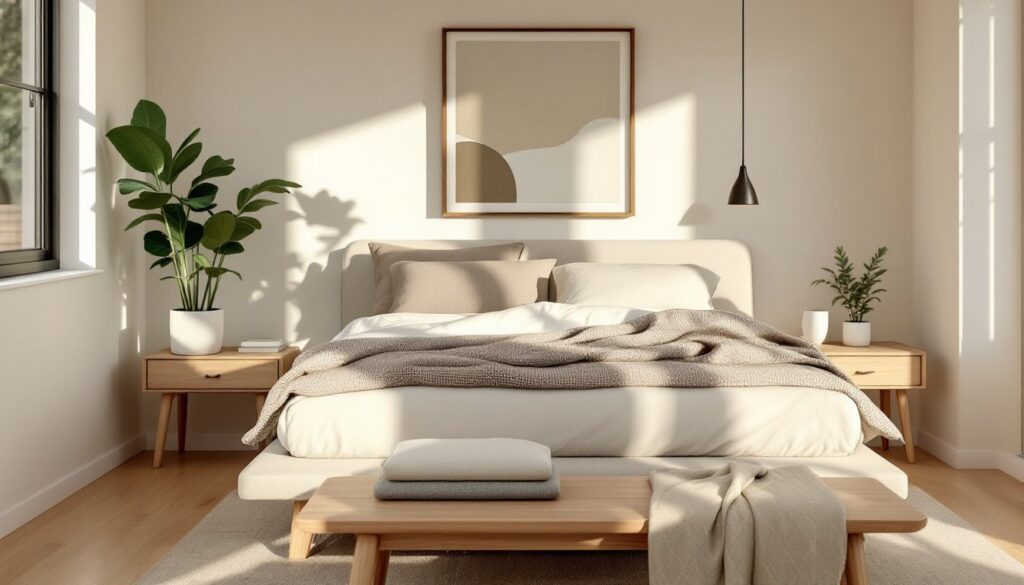
Instead, think in three layers. Layer one is your fitted sheet and duvet or comforter (linen or cotton, neutral tone). Layer two adds a textured throw blanket, think waffle weave, chunky knit, or subtle herringbone in a slightly warmer or cooler neutral. Drape it over the foot rail or fold it along one edge: this adds dimension and invites you to pull it up on cool nights. Layer three is pillows: a mix of sizes and subtle texture variations. Two standard pillow shams in your base color, one textured throw pillow in linen or a soft wool blend, and maybe one smaller accent pillow in a complementary neutral creates depth without screaming “decorated.”
Texture does the heavy lifting when color is restrained. A satin pillowcase beside a matte cotton duvet, a chunky linen throw next to smooth sateen, these contrasts make the bed feel intentional and inviting. This approach is also forgiving: as trends shift or seasons change, you can swap one layer without overhauling the entire look.
Smart Bedding Technology and Features
Modern bedding now includes features that genuinely improve sleep. Temperature-regulating fabrics, moisture-wicking weaves, and smart mattress covers with integrated sensors aren’t gimmicks anymore, they address real sleep problems.
Temperature-regulating fabrics use phase-change materials or gel-infused fibers that absorb excess heat when you’re warm and release it when you cool down. Brands often describe these in marketing speak, but the function is straightforward: they reduce night sweats and the frustrating on-off of traditional bedding. Moisture-wicking sheet materials (often a cotton-bamboo blend) pull sweat away from your skin, keeping you dry and preventing that clammy-sheet feeling. If you run hot or have night sweats, these outperform standard cotton.
Smart mattress covers and bed sensors integrate with fitness apps and sleep trackers, logging your sleep stages and environmental factors. These are useful if you’re actively troubleshooting sleep quality, less essential if you’re just refreshing the guest room. The practical takeaway: modern home decor ideas increasingly include tech-enhanced textiles that solve real problems. Spend here if the feature addresses something you actually experience: skip it if it’s aspirational.
Statement Headboards and Bed Frames
Your bed frame and headboard are the visual anchor of the bedroom, so modern design emphasizes clean lines and materials that complement your bedding palette. A mid-century modern interior design sensibility, tapered legs, simple geometry, warm wood tones, remains popular because it pairs beautifully with neutral bedding.
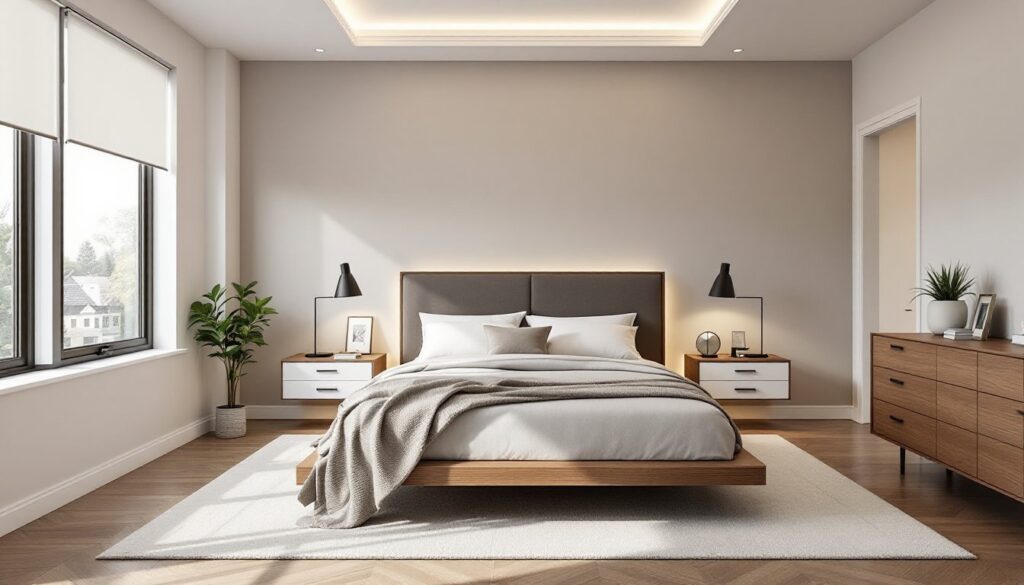
A platform bed with a low-profile upholstered headboard in a soft gray or cream linen creates a hotel-quality look without fuss. Metal frames with clean geometry (no ornate scrollwork) feel contemporary and let light flow underneath, making smaller rooms feel less heavy. Wood frames in walnut or light oak bridge traditional and modern aesthetics. Whatever you choose, ensure the headboard height is proportional to your wall: a bed frame and headboard that reaches mid-wall feels integrated, while a massive headboard on a short wall creates imbalance.
The bedding itself becomes the decorative element when your frame is understated. Contemporary furniture emphasizes this pairing: your bed frame provides structure and warmth, while your duvet, pillows, and throws deliver softness and visual interest. This is actually more practical than ornate beds draped in multiple decorative pillows, you’re buying fewer pieces and maintaining cleaner lines.
Mixing Patterns and Personal Style Elements
Neutral bedding can feel impersonal if you let it. The modern approach is to introduce one or two subtle patterns that reflect your taste without overwhelming the room. This is where mid-century modern interior and contemporary design diverge slightly: mid-century often embraces bold geometric prints, while modern tends toward restrained, organic patterns.
A striped or geometric throw pillow in a muted tone (cream with taupe stripes, or soft gray in a subtle diamond weave) adds personality without clashing. A patterned throw blanket, linen with a subtle jacquard weave, or cotton with a tonal print, bridges pattern and texture beautifully. Wall art above the bed is another lever: a simple abstract piece or a series of smaller framed prints in muted colors complements your neutral bedding and ties the room together.
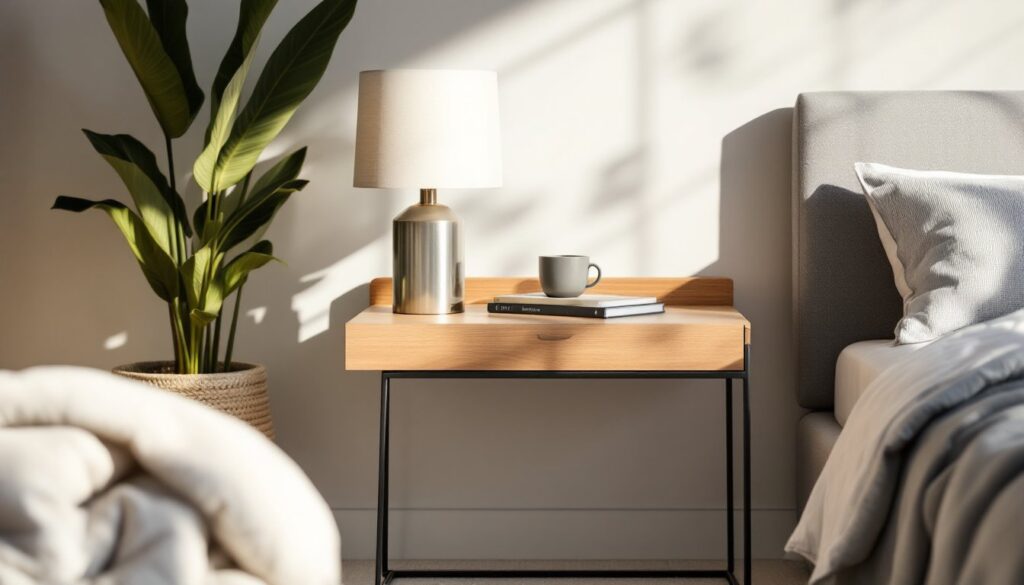
Personal style enters through small, swappable elements: a favorite book on the nightstand, plants on a floating shelf, a vintage mirror or simple wall sconce. These feel intentional because they’re chosen, not part of a “set.” Modern living spaces balance restraint with personality by treating the bedroom as an evolving collection rather than a finished room. Start neutral, add one or two meaningful pieces, then pause before adding more.
Conclusion
Modern bedding ideas center on quality, restraint, and intentional layering rather than trends or excess. Start with a neutral base in sustainable materials, build texture and comfort through strategic layering, and let your bed frame and one or two personal touches define the space. The result is a bedroom that’s genuinely restful, visually calm, and durable enough to outlast fleeting design fads. Your sleep space shouldn’t require overthinking, good modern bedding and smart choices make it feel effortless.