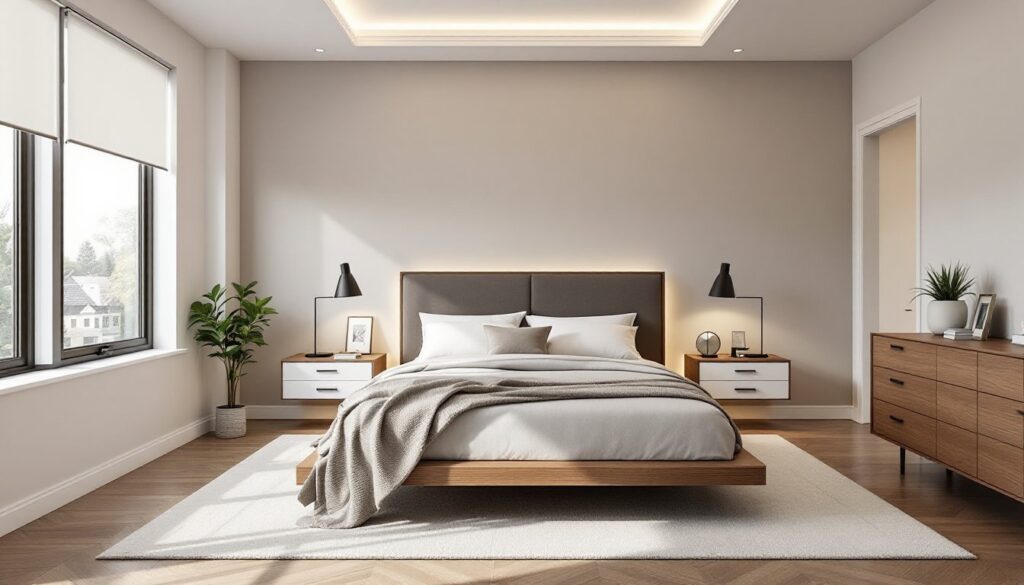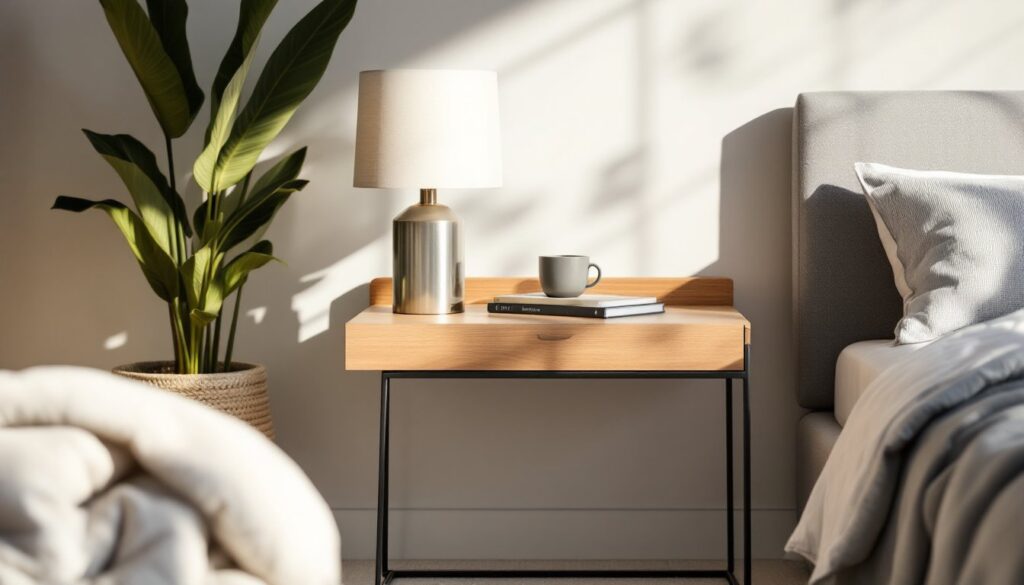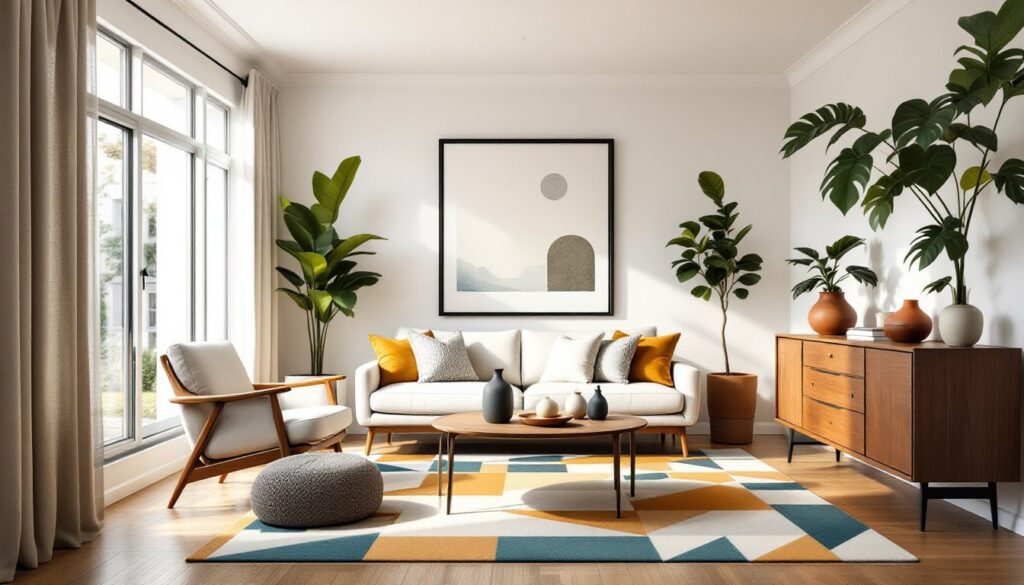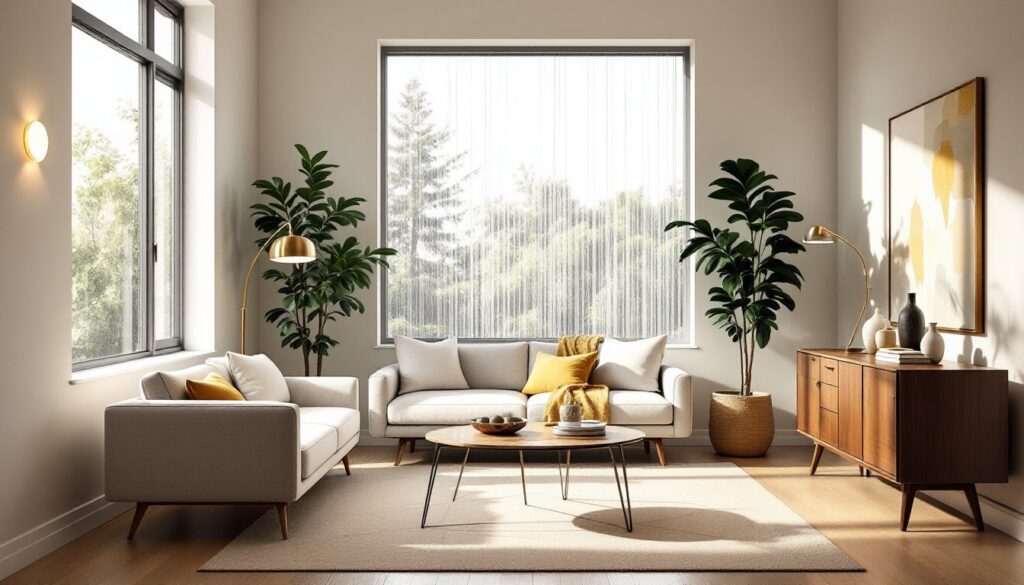

Mid-century interior style remains one of the most sought-after design movements for homeowners and DIY enthusiasts looking to refresh their spaces with timeless appeal. If you’re drawn to clean lines, functional beauty, and that distinctive retro-modern aesthetic, understanding mid-century modern interior design, and how to actually carry out it, is key to creating a cohesive, livable home. This guide walks you through the bones of the movement, the materials and colors that define it, and practical steps to bring mid-century modern interior decor into your own rooms without overthinking it.
Table of Contents
ToggleKey Takeaways
- Mid-century interior style prioritizes form following function with clean lines, honest materials, and uncluttered spaces that balance sophistication with approachability.
- The movement emerged after World War II when designers like Eames and Wegner made elegant, affordable furnishings accessible to the middle class using modern materials like plywood and teak.
- Classic color palettes for mid-century modern interior decor feature warm, earthy tones (mustard yellow, burnt orange, teak brown) against neutral walls to let wood grain and accent colors shine.
- Anchor your space with key pieces like a low-slung sofa with tapered legs, a credenza for storage, and statement lighting such as arc floor lamps or geometric pendant fixtures.
- You don’t need authentic vintage pieces to achieve mid-century style—mixing quality reproductions from contemporary makers with existing furniture works seamlessly when every piece feels intentional.
- Keep surfaces clear, use minimal patterns in textiles, incorporate natural greenery, and leave windows mostly undressed to maintain the airy, purposeful aesthetic that defines this timeless design movement.
What Defines Mid-Century Modern Interior Style
Mid-century modern interior style is fundamentally about form following function. Born from the post-WWII era (roughly 1945–1969), this design philosophy rejects ornament in favor of honest construction, minimal embellishment, and pieces that do exactly what they promise. Unlike Victorian or Art Deco maximalism, mid-century modern strips away excess.
The hallmark is balance: rooms feel uncluttered but never cold, sophisticated but approachable. Furniture sits low and leggy, those tapered wooden legs are iconic, with emphasis on organic curves and geometric shapes working together. Spaces breathe. Windows stay mostly undressed, letting natural light dominate. The overall impression is that nothing is wasted, nothing is fussy, and everything earns its place.
The History and Origins Behind the Movement
After World War II, returning servicemen, growing families, and a booming economy sparked demand for new, affordable housing and furnishings. Designers and manufacturers responded by rethinking how everyday items could be both beautiful and practical. Scandinavian and American designers, Eames, Wegner, Arne Jacobsen, George Nelson, became the movement’s voices, creating pieces meant for regular homes, not just galleries.
Materials that had been scarce or reserved for luxury items became accessible: plywood, molded plastic, steel tubing, and teak veneer were suddenly mainstream. Mass production didn’t mean poor quality: it meant that elegant design could reach the middle class. The movement celebrated technological progress and modern materials as liberating forces, not as cheap substitutes. An overview of mid-century shows how this philosophy extended beyond furniture into architecture itself, open floor plans, large windows, and integrated indoor-outdoor living became hallmarks. By the 1960s, mid-century modern interior design had woven itself into the cultural fabric, and today, it remains one of the most recognizable and adaptable design languages for contemporary homes.
Key Design Elements: Colors, Materials, and Furniture
Classic Color Palettes and Material Choices
Mid-century modern color palettes favor warm, earthy tones grounded in nature: teak browns, mustard yellows, burnt oranges, olive greens, and slate grays. Walls are typically neutral, whites, soft grays, or pale greiges, allowing accent colors to shine through furniture and accessories. Accent walls in a bold color (think deep teal or warm terracotta) work if done sparingly.
Materials matter enormously. Wood, walnut, teak, rosewood, defines furniture and cabinetry: you’ll see warm grains left exposed, often with a satin or low-gloss finish that respects the wood’s natural character. Upholstery typically uses wool, linen, or cotton in solid colors: patterns are minimal and geometric, never floral or baroque. Metals are brushed or polished steel, chrome, or brass, used for legs, hardware, or light fixtures. Textiles like area rugs (think geometric patterns or solid sisal) ground seating areas. Avoid heavy velvet, plush pile carpets, or busy prints, they muddy the clean aesthetic.
Iconic Furniture and Lighting Pieces
You don’t need to buy vintage originals (though many do) to nail mid-century modern interior decor. Reproduction and inspired pieces abound. A credenza or low sideboard with tapered legs, clean lines, and minimal hardware is foundational, it provides storage without visual weight. A sofa with low arms, wooden legs, and simple upholstery in a solid neutral or muted tone anchors a living room. Pair it with a low coffee table, often with hairpin or wooden legs and a simple surface (glass, wood, or marble top).
Lighting is a showstopper. Arc floor lamps with a curved metal stem and a tripod base became iconic: they free floor space and cast a warm glow over seating areas. Pendant lights with geometric shades, think atomic starburst or simple drum shapes, work well over dining tables or in kitchens. Task lighting, like a desk lamp with an angled arm, is both functional and sculptural. Avoid ornate chandeliers or fussy lampshades: choose fixtures that are visually light and purposeful.
Seating pieces often include molded plastic or fiberglass chairs (Eames shell chairs are the gold standard, but modern versions are affordable), a low-slung lounge chair with wooden frame and cushions, or a simple side chair with a wooden seat and backrest. Tables are minimalist: rectangular dining tables with tapered legs, nesting tables for flexibility, and a sturdy sideboard or console for entryway or hallway storage.
How to Incorporate Mid-Century Style Into Your Home
Start by auditing your existing pieces. You don’t need to overhaul overnight: mid-century modern works best when introduced thoughtfully, layered into what you already own. Look for furniture with simple lines, minimal ornamentation, and natural materials, pieces that fit the aesthetic even if they weren’t designed as “mid-century modern.”
Next, lighten your color palette. Swap out dark, patterned curtains or heavy rugs for lighter neutrals: hang sheers or leave windows bare if privacy allows. Paint walls a soft neutral, soft white, warm gray, or pale greige, as a backdrop for wood tones and accent colors. One accent wall or a bold accent color through pillows, an area rug, or artwork adds visual interest without overwhelm.
Focus acquisitions on key pieces: a credenza, a well-designed sofa, and statement lighting. These anchor the room and set the tone. Look for reproductions from contemporary furniture makers, estate sales (often cheaper than vintage shops), or even IKEA and wayfair lines inspired by mid-century design. A practical decorating guide offers visual inspiration and room layouts.
Decoratively, keep surfaces clear. Shelving holds fewer, larger objects rather than a jumble of small ones. Artwork should be bold and graphic, abstract, geometric, or simple photography in understated frames. Greenery adds warmth: a tall fiddle leaf fig in a corner or a potted snake plant on a console brings life without clutter. Textiles like throw pillows in solid colors or subtle geometric patterns, and a natural fiber area rug (jute, sisal, or wool), warm up wood and upholstery.
One practical tip: avoid trying to source only authentic vintage pieces unless budget allows and you enjoy the hunt. Home decorating and interior design ideas showcase how modern reproductions blend seamlessly with original pieces, and mixing eras is entirely acceptable. The key is coherence, every piece should feel intentional and serve a purpose, whether functional or visual.
Conclusion
Mid-century interior style endures because it solves a real problem: how to live well in beautiful, functional spaces without excess. Whether you’re renovating a room or simply refreshing décor, the principles, clean lines, honest materials, purposeful design, are timeless. Start small, invest in a few quality anchor pieces, and let the aesthetic emerge naturally. The result is a home that feels both contemporary and warmly nostalgic, practical and genuinely beautiful.