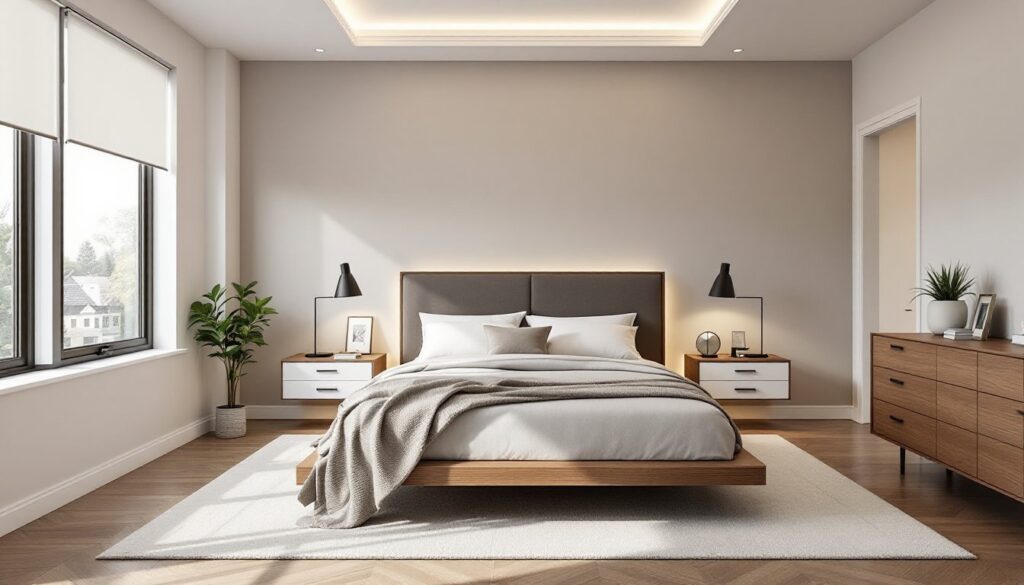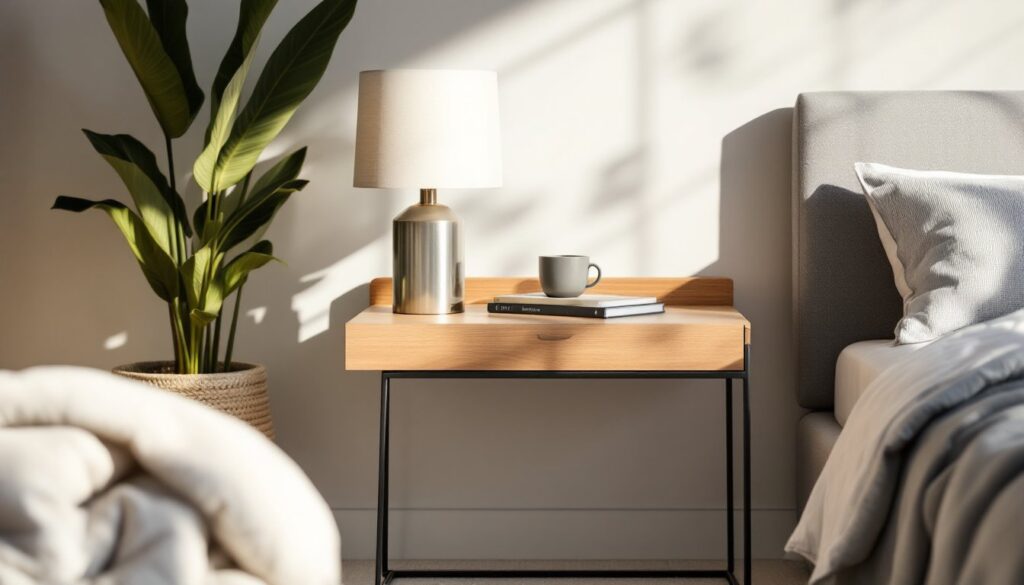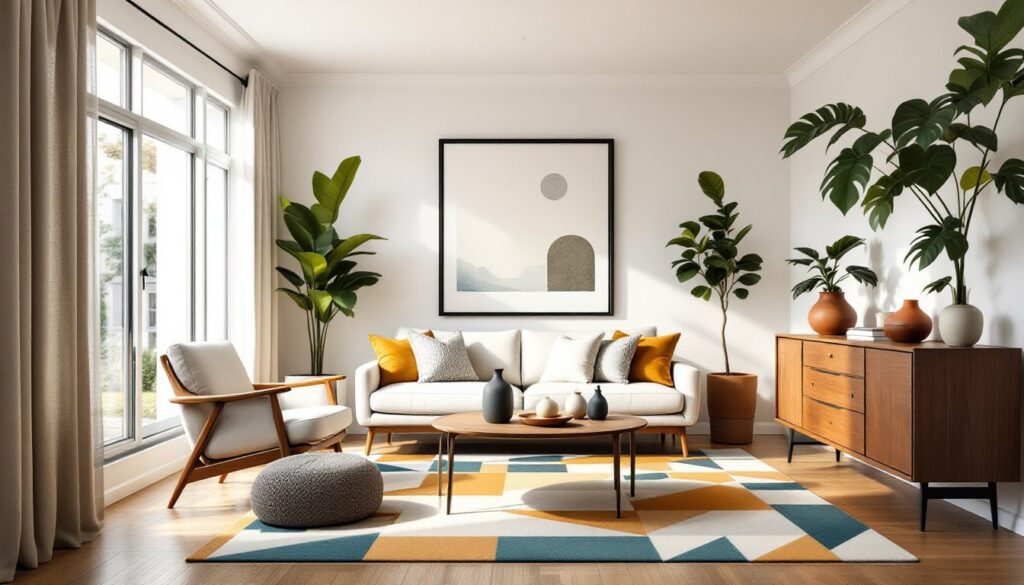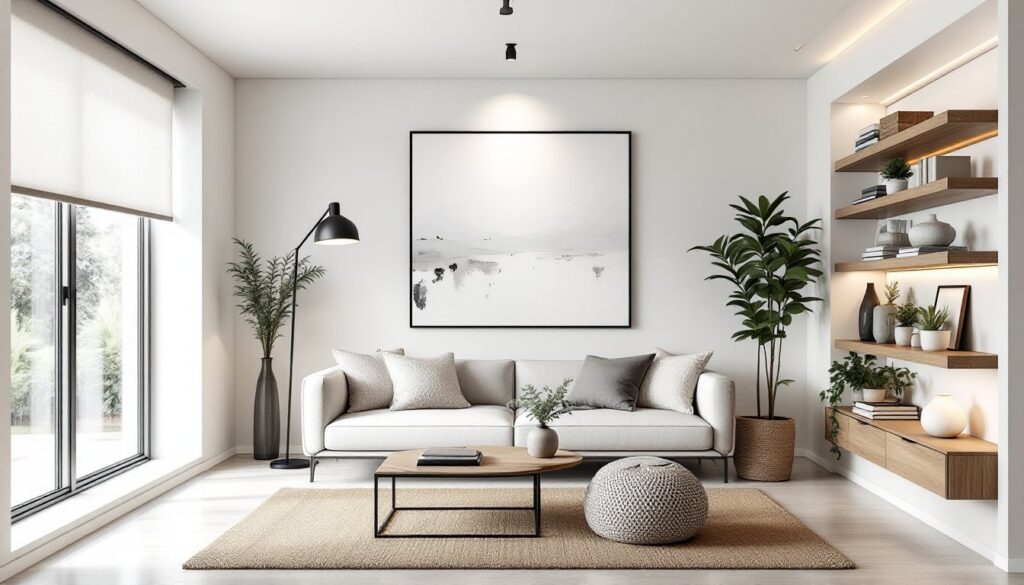

Creating a modern style room doesn’t mean your home has to feel cold or impersonal. Modern style room design is about stripping away unnecessary clutter and building spaces that work as hard as they look, clean lines, functional furniture, and purposeful lighting that all serve a real purpose. Whether you’re overhauling a single room or thinking about a broader home refresh, the principles of modern design are surprisingly approachable for DIY enthusiasts. This guide walks you through how to define the look, choose colors, arrange furniture, light the space, and add finishing touches, all without very costly or needing a design degree.
Table of Contents
ToggleKey Takeaways
- Modern style room design prioritizes function over decoration, using clean lines, minimal clutter, and purposeful furniture to create spaces that are both practical and inviting.
- A neutral color palette—whites, grays, and warm wood tones—forms the foundation, with a single bold accent color used sparingly to prevent visual chaos.
- Layered lighting combining ambient, task, and accent fixtures with dimmable LED bulbs creates flexibility and sets the mood without ornate, dated fixtures.
- Intentional furniture placement and built-in storage keep surfaces clear and visual noise low, while floating seating arrangements enhance the modern feel.
- Budget-friendly updates like fresh paint, decluttering, swapping hardware, and choosing one or two bold art pieces can transform a room into a modern space without expensive renovation.
- Modern style room design differs from contemporary design—it’s a timeless 20th-century movement focused on balance between minimalism and warmth, not just current trends.
Define Modern Style Room Design
Modern interior design has roots in the early-to-mid 20th century, influenced heavily by the Bauhaus movement and mid-century modern furniture design. The key difference: modern style emphasizes function over decoration. Every piece, every line, every material has a reason to be there.
At its core, modern style room design strips away ornamentation. You’ll see clean lines, uncluttered surfaces, and a focus on open space and light. Furniture tends toward low profiles with straight or gently curved lines, no heavy carving, no ornate details. Materials are typically honest: wood grain is visible but not exaggerated, metal is smooth, glass is clear, and concrete is left raw or sealed simply.
Clutter is the enemy of modern design. Storage is integrated into walls (built-in shelving, wall-mounted units), not scattered around the room. This keeps the visual noise low and gives the space room to breathe. That said, modern design isn’t sterile. Warm wood tones, natural light, and carefully chosen textiles prevent the look from feeling cold or institutional. Think of mid-century modern interior design principles, that balanced approach between function and warmth, as a touchstone for creating a modern room that’s both practical and inviting.
One thing to clarify: modern design and contemporary design are different. Contemporary means current trends (which shift yearly), while modern refers to a specific design movement from the 20th century. Many homes today blend both, borrowing timeless modern principles while adding current accessories or finishes.
Color Palettes for Modern Rooms
Start with neutrals as your base. White, off-white, beige, soft gray, and charcoal are the workhorses of modern spaces. These colors provide a clean backdrop that lets the furniture, lighting, and textures take the spotlight.
Once your neutral base is down, add a single bold accent color, used sparingly. Think navy blue, rust, mustard yellow, or deep emerald. This accent color typically appears in a single accent wall, on a statement sofa, or through one or two accent chairs. The key is restraint: one pop of color beats three medium colors competing for attention.
Monochrome schemes, using several tones of a single color, also work beautifully in modern rooms. A bedroom with various shades of gray, for example, feels cohesive and calm. High contrast is another strong approach: pair white walls with black trim, dark furniture, and light accessories for visual punch.
To keep a modern space from feeling too sterile, balance cool neutrals with warm woods. Light oak, walnut, or warm-toned concrete create breathing room and prevent the space from reading as purely cold. Homedit showcases how modern to achieve this balance. The result is a room that feels organized and clean without sacrificing coziness.
Furniture and Layout Strategies
In a modern style room, furniture is chosen with intention. Look for low-profile sofas with simple silhouettes, metal legs (not wood), and tightly woven fabrics or leather in neutral tones. A sofa should be functional first, comfortable to sit on, easy to clean, built to last, and visually quiet second.
The “less but better” philosophy applies here. Instead of filling a room with small accent tables and decorative pieces, choose fewer, higher-quality items that anchor the space. A single substantial wooden console, a sculptural chair, or a glass coffee table can do more visual work than five mid-century modern decor items clustered together.
Layout emphasizes flow and function. In open-plan living areas, define seating zones using area rugs and furniture groupings rather than walls. A 7′ × 10′ rug under a sofa and chairs creates a visual boundary without blocking sightlines. Leave clear pathways between rooms and avoid pushing furniture against walls, floating a sofa 18 to 24 inches from the wall, for example, often creates a more intentional, modern feel.
Built-in storage is a game-changer. Wall-mounted shelving, integrated wardrobes, and under-stair storage keep items off the floor and surfaces clear. If built-ins aren’t feasible, choose low credenzas or sideboards in simple finishes (natural wood, white, black) that sit high enough to see floor space beneath them. This visual lightness is what makes a room feel modern, even if it’s not newly renovated.
Lighting Solutions for Contemporary Spaces
Modern spaces rely on layered lighting, three types working together to create flexibility and mood.
Ambient lighting is your base: recessed lights in the ceiling or a simple flush-mount fixture that provides overall room brightness. Task lighting does the work: a floor lamp beside a reading chair, a desk lamp, under-cabinet lights in a kitchen, or pendant lights over a dining table. Accent lighting adds depth: LED strips behind floating shelves, a wall-mounted picture light, or directional fixtures that highlight art or architectural details.
Fixtures themselves should have clean, geometric or linear shapes. Look for metal finishes (matte black, brushed brass, polished chrome) and minimal shades, or no shade at all if the bulb is attractive. Avoid ornate chandeliers, brass chains, or shaded lamps that feel dated.
Dimmable LED bulbs are essential. They’re energy-efficient, long-lasting, and let you adjust brightness and color temperature (warm vs. cool white) depending on the time of day or mood. A 5000K (cool) LED might work for a home office: a 2700K (warm) is better for living spaces.
Natural light matters too. Keep windows clear with simple roman shades or linen panels rather than heavy curtains. If you’re doing a more significant update and building codes allow, consider adding a modern interior design approach that maximizes windows and glass doors to flood the space with daylight, reducing reliance on artificial light during the day.
Accessorizing and Finishing Touches
Accessories in a modern room follow the same rule: intentional and minimal. Instead of hanging ten small framed prints, choose one or two large-scale abstract or graphic pieces. A single bold artwork draws the eye and feels confident.
Textiles add warmth and texture. A solid-colored area rug in wool or a natural fiber (jute, sisal) anchors a seating area. Throw pillows in linen, bouclé, or chunky knit add tactile interest without visual noise, stick to solid colors or very subtle patterns, and limit yourself to two or three per sofa. A linen throw blanket draped over an armrest introduces softness.
Decor items should be few and intentional. A single sculptural ceramic vase, a stack of design books, a potted monstera or snake plant, and maybe a small abstract sculpture on a shelf are enough. Leave plenty of empty surface space: that whitespace is part of the design.
Hardware and details tie the room together. Simple cabinet pulls (avoid ornate brass or crystal), frameless or thin-frame mirrors, and clean-lined shelving feel modern. If your room has multiple materials, repeat them: if you choose matte black metal fixtures, use the same finish on hardware and lamp bases. This material repetition creates cohesion.
One final touch: Dwell’s design inspiration galleries through carefully placed plants, books, and art. The goal is a space that feels curated, not staged.
Budget-Friendly Modern Room Updates
You don’t need a full renovation to achieve a modern look. Start with paint, swapping out dated wall colors for white, soft gray, or warm beige is one of the highest-impact, lowest-cost changes you can make. A gallon of quality interior paint covers approximately 400 square feet and costs $25–$60, making it an immediate refresh.
Declutter ruthlessly. Remove items you don’t use or love, consolidate what remains into closed storage, and clear surfaces. This single step, free, instantly makes a room feel more modern. Better storage solutions don’t have to be expensive: simple woven baskets on a shelf, a rolling cart tucked into a corner, or labels on bins organize without adding visual clutter.
Swap hardware and light fixtures. Replace ornate cabinet pulls with simple, minimalist ones ($5–$15 per pull). Swap outdated lampshades and fixtures for geometric or linear modern versions. These small swaps cost little but transform the room’s overall feel.
Replace heavy curtains with simple linen panels or roller shades. Fabric panels ($20–$50 per window) in white, gray, or natural linen hang cleanly and let light through while maintaining privacy.
Add affordable art and rugs. Inexpensive prints from galleries like Etsy, simple black frames, and solid-colored area rugs from big-box retailers create the modern aesthetic without high-end price tags. Even rearranging existing furniture to open pathways and create better flow updates the look at no cost. These budget updates, layered together, transform a room from dated to modern without professional help or a major investment.
Conclusion
Modern style room ideas center on function, simplicity, and clean lines. A neutral color palette, intentional furniture layout, layered lighting, and a few purposefully chosen accessories create spaces that feel open, organized, and visually calm. The best part: many of these principles can be implemented gradually through paint, decluttering, and targeted updates, no major renovation required. Start with one room, apply these strategies, and build from there.