
Your bedroom should be a retreat, not a storage unit. Whether you’re working with a compact city apartment or a sprawling master suite, the right modern bedroom furniture ideas can transform the space into something functional, stylish, and genuinely yours. Mid century modern interior design principles, clean lines, purposeful pieces, and honest materials, still dominate bedrooms today because they work. This guide walks you through practical modern bedroom design ideas, from minimalist layouts to smart storage solutions that won’t eat up your floor space.
Table of Contents
ToggleMinimalist Bedroom Design Essentials
Minimalist bedroom design isn’t about owning nothing, it’s about owning the right things. Start by identifying your core bedroom needs: a bed, sleep surfaces (nightstands are secondary), and storage. That’s your foundation. Everything else should earn its place.
Begin by measuring your room accurately. Record the width, length, ceiling height, and note window placement, door swing, and any permanent fixtures (radiators, outlets, built-ins). Use these numbers to block out your furniture layout on graph paper or with a phone app. A queen bed typically measures 60″ × 80″ (plus frame depth), and you’ll want at least 24″ of walking space on each side, more if someone’s claustrophobic.
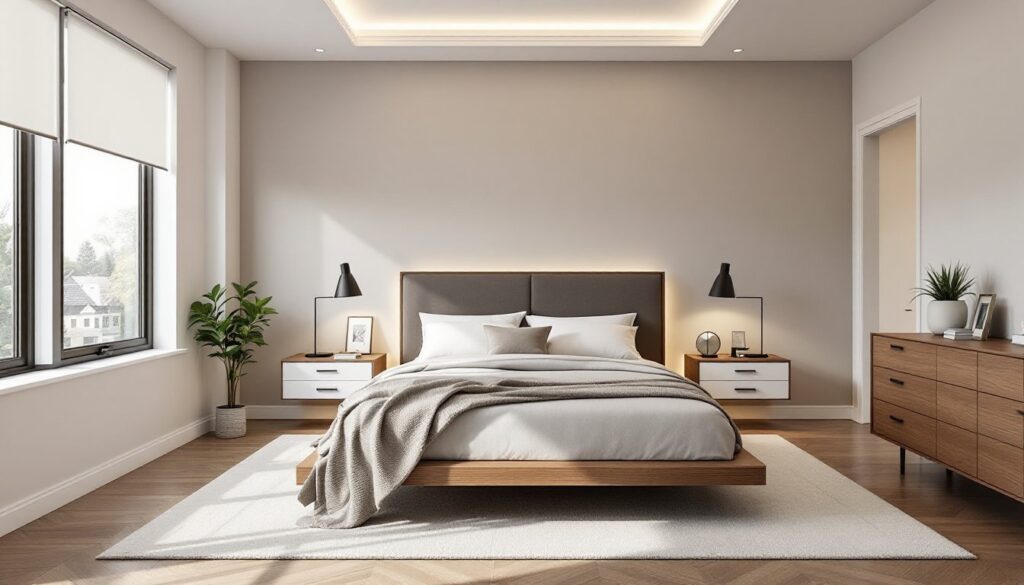
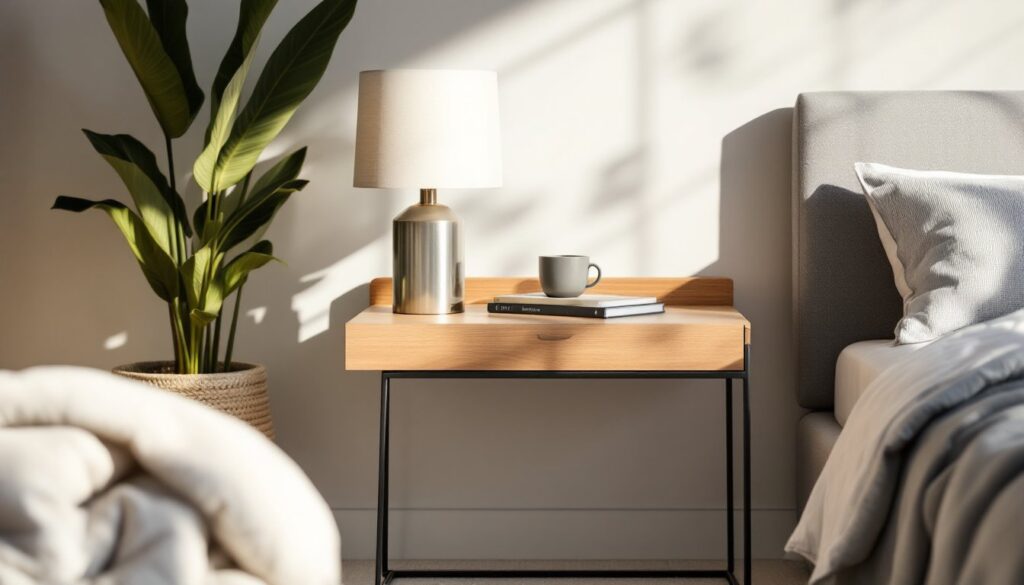
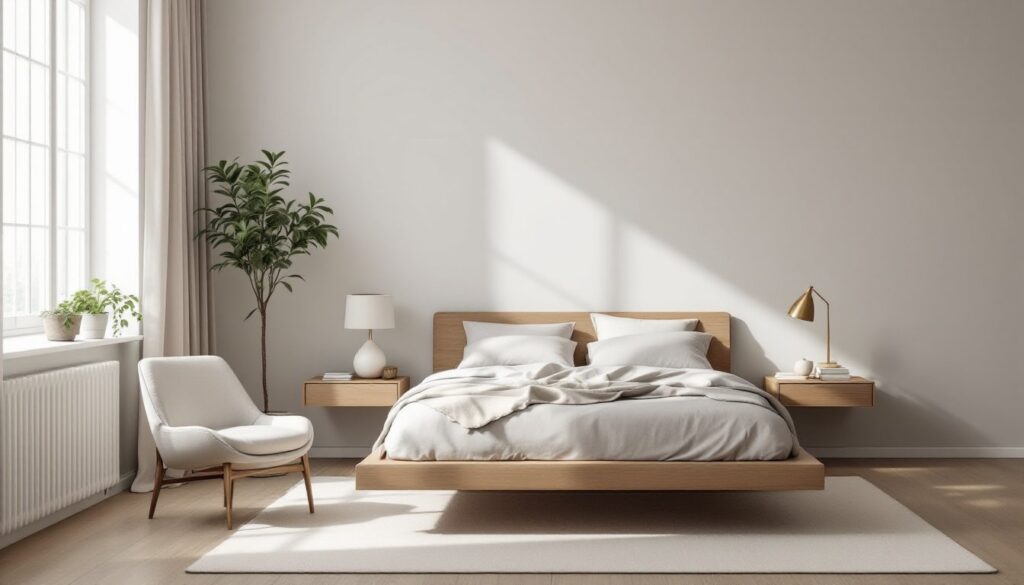
Choose a dominant wall for your bed. In modern design, this often means a platform bed with no headboard, or a low-profile wooden frame that lets the wall breathe. Floating nightstands (wall-mounted shelves, 24″ wide × 12″ deep) work better than traditional tables in tight quarters because they don’t steal floor space. A low dresser or a single accent chair, not both, gives you flexibility. The key is negative space. Empty wall and floor make a room feel bigger, even if the square footage hasn’t changed.
Color matters here. Soft grays, warm whites, and natural wood tones create calm. If you want color, go with one accent wall or introduce it through bedding rather than paint. Two or three items in the room (a throw, a print, a lamp) can tie the scheme together without visual clutter.
Multifunctional Furniture Solutions for Small Spaces
Small bedrooms demand furniture that works harder. A bed with built-in drawers, a dresser that doubles as a work surface, or a shelving unit that anchors the wall, these pieces replace traditional “fill the gaps” approach. The goal is to stack functions vertically rather than spread them horizontally.
Ottomans with storage sit at the foot of the bed and hold extra bedding or seasonal clothes. They’re footstools, toy chests, or emergency seating rolled into one. Choose one with a lid, not open shelving, to keep visual clutter down. A low bench at the bed’s foot (18″–24″ deep, the width of your bed) serves the same purpose but with a cleaner profile for modern bedrooms.
Wall-mounted shelving eats zero floor space. Install floating shelves (24″–36″ wide) above the dresser or beside the bed for books, decor, or extra storage baskets. Use adjustable shelving so you can reconfigure as needs change.
If your bedroom doubles as an office or dressing room, choose a narrow desk (36″ wide) that mounts to the wall or fits in a corner. Pair it with a single chair that tucks fully under the desk when not in use. This is where modern bedroom design ideas meet real life: the furniture does its job and then steps aside.
Platform Beds With Storage
A platform bed with drawers is the workhorse of small-space modern bedrooms. These beds sit low (often 12″–18″ off the ground), eliminating the need for a box spring and creating a clean, contemporary silhouette. The real magic is underneath: full-width drawers that slide out to store off-season clothes, bedding, or shoes.
Wood platform beds (solid pine, birch, or engineered hardwood with a veneer) range from $300 to $1,200 depending on size and drawer configuration. A queen with two side drawers typically runs 60″ wide × 84″ long × 18″ high. Drawers should have soft-close mechanisms so they don’t slam, this costs $20–$40 extra per drawer but prevents damage and wakes nobody at 2 a.m.
If building from scratch, use 2×4 lumber for frame rails, 2×10s for the platform surface (laid flat, 1½” thick, spanning joist-to-joist for the mattress). Space slats or plywood 2″–3″ apart for air circulation. Seal or stain all wood to prevent moisture damage. Add casters to the base if the floor needs protection, and ensure the bed doesn’t obstruct egress (fire codes in most jurisdictions require unobstructed access to bedroom exits).
For drawer storage below a platform bed, measure the internal frame height first. Most drawers need 12″–16″ of clearance to slide smoothly. Shallow drawers (8″–10″ deep) work for lightweight items: deeper ones (16″–20″) handle bulkier bedding.
Trending Materials and Finishes
Modern bedroom furniture has swung back toward natural materials after years of laminate and plastic-look finishes. This shift reflects both aesthetics and durability: solid wood, natural fabrics, and genuine leather age better and feel better than synthetic alternatives.
Metal frames (steel or aluminum) pair well with wood and upholstered headboards. They’re lighter than wood beds, easier to move, and photograph well. Look for brushed or matte finishes rather than shiny chrome, they’re more forgiving with fingerprints and dust.
Upholstered headboards (linen, cotton, or performance fabric over high-density foam) create softness and sound absorption. A neutral gray linen headboard works with almost any color scheme. If you choose a pattern or bold color, make sure your bedroom walls are neutral so the headboard reads as the accent. Expect to pay $200–$600 for a quality queen headboard, not counting installation.
Wood finishing trends lean toward matte or satin stains (rather than glossy polyurethane). Natural wood grain shows better under matte finishes. Walnut, oak, and white ash are expensive but gorgeous: birch and pine are budget-friendly and still look contemporary when finished right. Paint wood furniture in soft, warm whites or greiges (gray-beige blends) if you want that Scandinavian-modern vibe.
Natural Woods and Sustainable Options
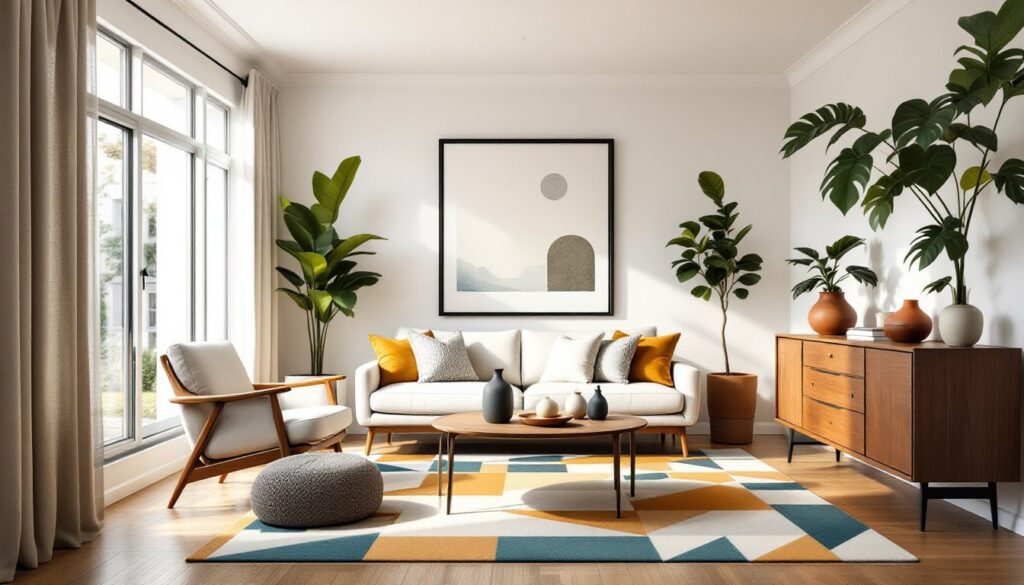
Mid century modern interior design championed honest materials, and that philosophy holds today. Solid hardwood pieces, even simple, unadorned styles, outperform particle board in durability and resale value.
FSC-certified woods (Forest Stewardship Council) signal sustainable sourcing. Manufacturers like Dwell and retailers stocking verified sustainable pieces make it easier to find guilt-free options. Look for “sustainably harvested” or “responsibly sourced” labels.
Reclaimed wood has character: barn siding, old warehouse flooring, or salvaged beams become headboards or bed frames. It’s pricey ($2–$5 per board foot, finished), but one accent piece, a reclaimed-wood headboard, for example, anchors a modern bedroom and tells a story. Just verify it’s been milled, kiln-dried, and treated for insects before bringing it indoors.
Plywood and engineered options aren’t inherently “bad.” High-quality plywood (birch or oak veneer over solid birch core) rivals solid wood in performance if properly sealed. The difference is visibility: a plywood edge shows, so designers either hide it under solid-wood trim or celebrate it as part of the modern aesthetic.
Fabrics matter too. Natural cotton, linen, and wool breathe better than synthetics and regulate temperature, critical for sleep quality. A natural-fiber upholstered bed or ottoman, even if pricier upfront, will outlast cheap polyester. Homedit showcases bedrooms where material honesty creates visual interest without forced styling.
Color Palettes and Layout Strategies
Modern bedroom design ideas often center on color restraint. This doesn’t mean boring: it means intentional. A strong color palette in a bedroom creates calm rather than stimulation.
Neutral bases (white, gray, taupe, or soft warm tones) occupy 70–80% of the room: walls, flooring, large furniture. Accent colors live in bedding, throw pillows, a single accent wall, or artwork. A soft sage green wall behind the bed with warm white walls elsewhere creates focus without overwhelming a small space. Same logic applies to a deep charcoal accent wall paired with light walls everywhere else.
Temperature matters. Warm colors (creams, soft taupes, warm grays) feel cozy: cool colors (soft blues, cool grays) feel serene. Your personal preference trumps trends, but if you’re unsure, test paint samples. Paint two swatches on different walls and observe them at different times of day, artificial light and natural light shift color perception.
Layout strategy depends on your room’s geometry. In a rectangular room, the bed typically floats perpendicular to the long wall or sits against the long wall with nightstands flanking it. A square room allows more flexibility: beds can face the door, or sit at an angle, or center against one wall. The golden rule is that the bed shouldn’t block the door swing and walkways should be at least 24″ wide.
Furniture grouping creates visual flow. Nightstands, lamps, and a small accent chair form a cohesive zone. Dressers and shelving align with each other vertically (if stacked) or occupy one wall rather than scattered. This home design approach on Homify clarifies how grouping furniture intentionally makes rooms feel larger and more organized.
Layering light is subtle but critical. A ceiling fixture provides baseline illumination: bedside lamps offer task lighting for reading: a dimmer switch lets you set mood. Modern fixtures should have clean lines, think brushed brass pendants, minimalist table lamps with linen shades, or recessed downlights rather than ornate chandeliers.
Conclusion
Modern bedroom furniture doesn’t need to be expensive or complicated. Start with one strong piece, a quality bed frame, a platform bed with storage, or a floating shelving system, and build around it. Measure twice, choose materials that will age well, and leave breathing room. Your bedroom will thank you with better sleep, less visual stress, and a space that actually functions the way you live.