
Modern room design is no longer about cold, austere minimalism or cluttered Pinterest boards. In 2026, the focus has shifted to creating spaces that are genuinely functional, comfortable, and reflective of how people actually live. Whether you’re overhauling a bedroom, office, or living area, modern design principles combine clean aesthetics with practical storage, natural warmth, and smart technology integration. The best part? You don’t need a designer’s budget or a contractor’s expertise to pull it off. This guide walks you through the key strategies that define contemporary interiors today, giving you actionable ideas to refresh any room in your home.
Table of Contents
ToggleKey Takeaways
- Modern room design emphasizes functional, comfortable spaces with neutral foundations and clean lines that make rooms feel larger and visually calm.
- Smart storage solutions like wall-mounted cabinets, built-in wardrobes, and hidden compartments keep surfaces clutter-free while maintaining an open, organized aesthetic.
- Layer natural materials such as wood, rattan, linen, and wool into your modern room design ideas to add warmth and texture without compromising minimalist appeal.
- Integrate technology seamlessly by concealing TVs, hiding cables through built-in management, and using smart lighting that adjusts mood without visible clutter.
- Create visual interest with one bold focal point per zone, such as an accent wall, statement piece, or sculptural furniture, to prevent neutral spaces from feeling bland.
- Maximize space and light by using light colors, reflective surfaces, strategic furniture placement with proper circulation, and layered window treatments that maintain openness.
Embrace Minimalism With Clean Lines and Neutral Palettes
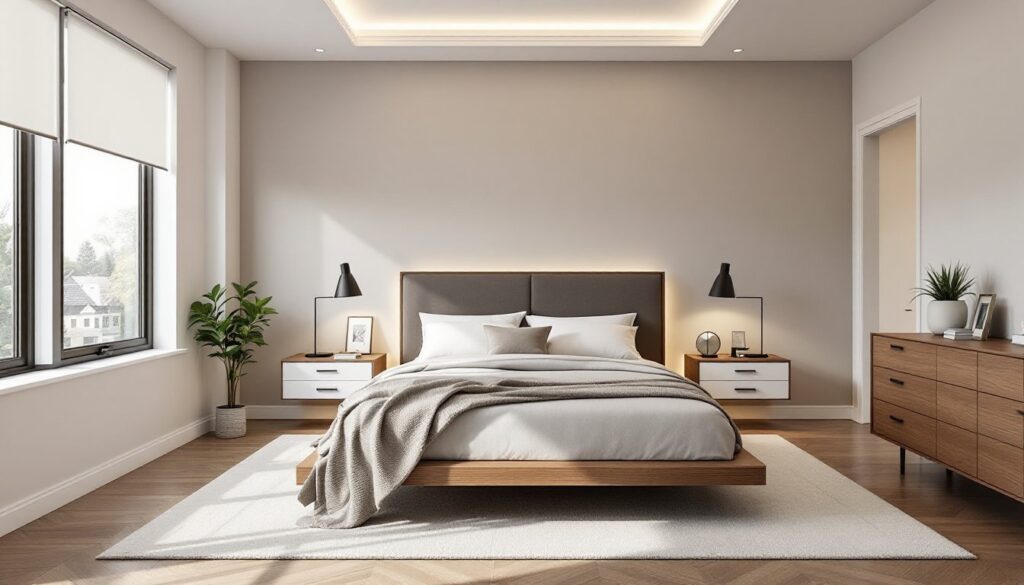
Minimalism in modern design isn’t about empty rooms or sparse furniture, it’s about intentional simplicity. Start with a foundation of neutrals: whites, soft grays, warm beiges, and taupe. These hues make spaces feel larger, provide visual calm, and serve as a perfect backdrop for whatever you add later.
Clean lines are the language of modern interiors. Look for furniture with simple, geometric silhouettes, straight-edged tables, simple bed frames without ornate detailing, and wall-mounted shelving rather than bulky units. The goal is to reduce visual noise so your eye can rest.
When selecting a color palette, pick a primary neutral (say, soft gray walls) and a secondary neutral (creamy white trim or taupe accents). This pairing feels sophisticated without feeling clinical. Because the base is neutral, adding a single accent color, a deep navy throw pillow, a burnt orange painting, becomes a powerful focal point rather than clashing noise. Design galleries from modern bedroom collections consistently show that restraint in color creates both space and serenity.
Incorporate Smart Storage Solutions
Modern rooms look uncluttered because modern storage is built-in and deliberate. Instead of hoping furniture will hide your stuff, integrate storage into the design from day one.
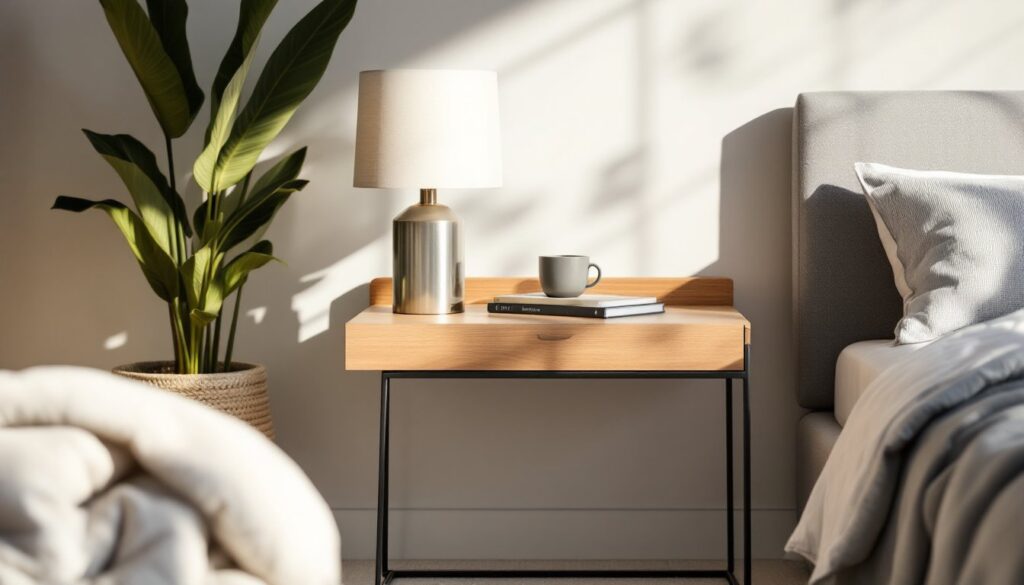
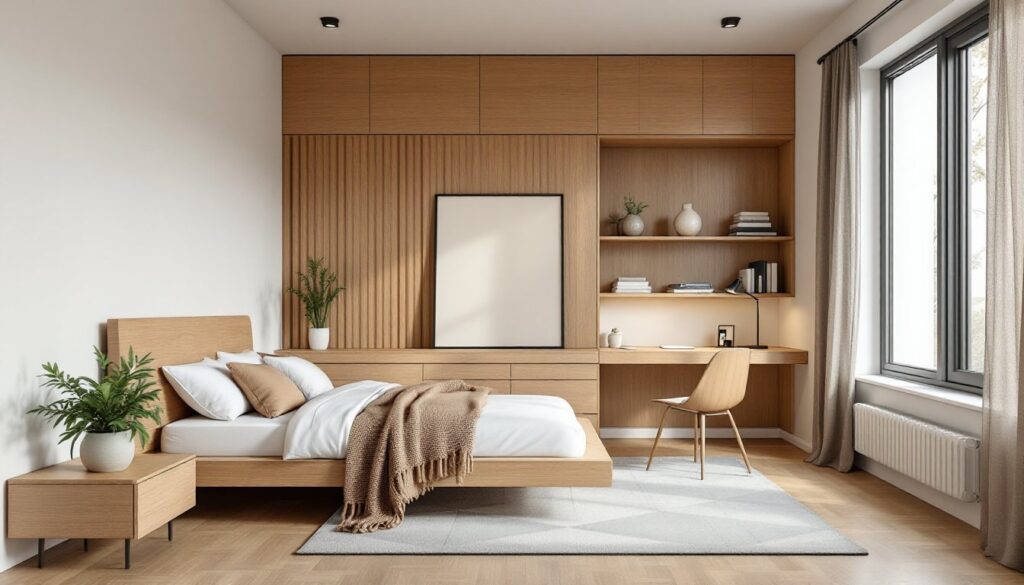
Wall-mounted cabinets and floating shelves keep surfaces clear while displaying essentials. Built-in wardrobes (or floor-to-ceiling closet systems) replace bulky dressers and free up floor space. Under-bed drawers maximize vertical real estate in bedrooms without adding bulk. Bedside tables with hidden compartments and storage benches at the foot of the bed serve double duty, they’re functional and part of the design.
The key is zoning: designate areas for sleep, work, storage, and relaxation, then build storage around those zones. A bedroom might have a sleeping zone with integrated nightstands, a work nook with desk storage, and a dressing area with cabinetry. When storage is purpose-built and invisible, the room feels open and organized. Consider using doors and drawers to conceal clutter, leaving only attractive items visible, books, plants, a sculptural lamp, for visual interest without chaos.
Add Warmth With Natural Materials and Textures
Here’s where modern design surprises people: it’s not cold. Modern interiors weave in natural materials to prevent sterility. Wood, whether as flooring, wall panels, or a simple headboard, is essential. Opt for light oak, walnut, or whitewashed finishes that complement neutral walls.
Beyond wood, introduce rattan, woven rugs, linen upholstery, and wool throws. These natural fibers add tactile softness and warmth without clashing with clean lines. Layer textures intentionally: a plush area rug grounds the room, linen curtains filter light softly, and quilted bedding or woven cushions invite you to sit down and relax.
The layering approach is crucial. Instead of a single wall-to-wall carpet, use a defined area rug in a neutral tone to anchor your seating. Instead of plain curtains, layer sheer panels with a heavier linen for both function and texture. According to modern bedroom design guides, these layered textures are what separate sterile minimalism from warm, livable spaces. Wood tones and natural fibers also create subtle visual interest, your eye moves across the room naturally without jarring color shifts.
Integrate Technology Seamlessly Into Your Design
Technology is everywhere in 2026, but good modern design hides it. The goal is smart features that work invisibly, not devices that dominate the room.
Start with concealment. A TV can live inside a wall cabinet or pivot panel that closes when not in use. A home office desk can feature integrated cable management, channels built into the underside or a fabric raceway, so charging cables and cords stay out of sight. Nightstands with hidden USB ports and charging pads mean you can power devices without a tangle of visible wires.
Smart lighting is transformative. Install dimmers, app-controlled fixtures, or voice-activated systems (compatible with Alexa or Google Home) to adjust mood and function without visible switches or extra hardware. Warm 2700K lighting for relaxation, brighter 4000K for work areas. These simple changes make a room feel intentional without adding clutter. Consider built-in shelving that accommodates speakers or discreet outlets positioned behind nightstands and desks, technology serves the room’s purpose, not the other way around.
Create Visual Interest With Accent Walls and Statement Pieces
Neutral foundations need focal points or they feel boring. An accent wall creates immediate visual interest and can be achieved several ways.
Paint an accent wall in a deeper tone, a soft sage green, warm charcoal, or navy blue, to anchor the room. Alternatively, apply wood slats (vertical or horizontal), textured wallpaper, or wall paneling behind the bed or above a sofa. A feature wall draws the eye and prevents the room from feeling monotonous.
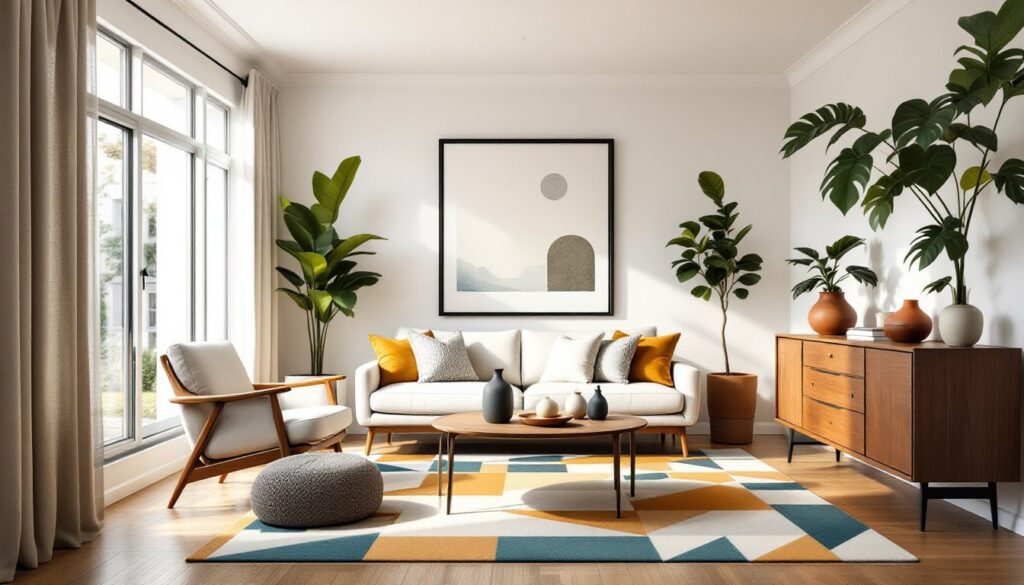
Statement pieces complement the architecture. An upholstered headboard with a geometric or tufted design becomes a sculptural element in a bedroom. A sculptural floor lamp or oversized pendant creates visual weight and interest. Artwork, whether a large abstract painting or a curated gallery wall, provides color and personality. A standout area rug in a subtle pattern or deeper tone grounds a room and adds dimension.
You can also explore modern bedroom design ideas from contemporary galleries, which frequently showcase these focal strategies. The principle is simple: one bold element per zone prevents visual overwhelm while ensuring the room feels intentional, not bland.
Maximize Light and Space for an Airy Feel
Modern rooms feel open and breathable. Light colors, whites, soft grays, and pale woods, visually enlarge the space. Reflective surfaces amplify this effect: mirrors opposite windows bounce light around, glass furniture (a side table or shelving) maintains sightlines, and glossy finishes on cabinetry catch and scatter light.
Window treatments matter. Sheer curtains filter harsh sunlight while maintaining privacy and openness. If you need blackout capability for a bedroom, layer sheer panels with a roller shade or lightweight Roman blind that tucks neatly when raised. Avoid heavy velvet drapes that block light and overwhelm small rooms.
Furniture placement is equally critical. Leave at least 24 to 28 inches of circulation space around major pieces, between the bed and a wall, around a sofa, in hallways. This breathing room is what makes a space feel airy rather than cramped. Elevate furniture slightly: a bed frame with legs rather than a solid base, a sofa raised on short risers, these details open sightlines and prevent the room from feeling grounded and heavy. Resources like home design inspiration sites repeatedly emphasize this principle across modern interiors. Light, space, and circulation work together to create the open, serene feeling modern design promises.
Conclusion
Modern room design isn’t a trend, it’s a practical philosophy centered on simplicity, functionality, and comfort. Start with neutral foundations and clean lines, add purposeful storage to keep surfaces clear, layer in natural warmth through materials and textures, integrate technology discreetly, create focal points with accent walls and statement pieces, and optimize light and space for an airy feel. These principles work in bedrooms, offices, living rooms, and beyond. Explore modern home decor inspiration as you plan, take your time with selections, and build your room one intentional layer at a time. The result is a space that feels both current and timeless, a place you’ll genuinely want to spend time in.