
Rearranging furniture might sound like a weekend whim, but when you’re applying feng shui principles, you’re tapping into a 3,000-year-old Chinese practice designed to optimize energy flow in your living space. Unlike trendy design movements that come and go, feng shui interior design focuses on creating balance, improving well-being, and making your home feel more functional, not just prettier. Whether you’re dealing with a cramped bedroom or a living room that never quite feels right, understanding what feng shui interior design actually involves can help you make smarter layout and material choices that go beyond aesthetics.
Table of Contents
ToggleKey Takeaways
- Feng shui interior design balances energy flow (chi) through furniture placement, lighting, and the five elements—wood, fire, earth, metal, and water—to improve well-being and functionality, not just aesthetics.
- Position key furniture like beds and desks in the commanding position: where you can see the door without being directly in line with it, reducing subconscious anxiety.
- Clear pathways at least 36 inches wide allow chi to flow smoothly through your home; declutter high-impact zones like entryways and under beds to remove energy blockages.
- No room should be dominated by a single element; balance wood with metal accents, leather furniture with mirrors, or metal-heavy bathrooms with bamboo and stone to create harmony.
- Quick feng shui fixes—fixing squeaky doors, adding mirrors, introducing plants, and rearranging furniture for commanding position—require minimal time and cost but deliver immediate improvements in how your space feels.
What Is Feng Shui Interior Design?
Feng shui interior design is the practice of arranging your home’s layout, furniture, colors, and materials to promote positive energy flow, known as chi (or qi). The term “feng shui” translates to “wind and water,” reflecting the belief that our environments should mirror the balanced, natural flow found in the landscape.
Unlike purely decorative design systems, feng shui treats your home as a living ecosystem. It considers factors like natural light direction, door placement, traffic patterns, and even the materials in your furniture. The goal isn’t to force a specific aesthetic but to remove energy blockages and create spaces that support rest, productivity, and emotional balance.
At its core, feng shui interior design involves:
- Bagua mapping: Dividing your floor plan into nine zones (wealth, health, relationships, etc.) to identify which areas govern specific life aspects.
- Chi flow optimization: Ensuring pathways are clear, doors can open fully, and furniture doesn’t obstruct movement.
- Elemental balance: Using the five elements, wood, fire, earth, metal, and water, in proportions that suit each room’s function.
- Yin-yang harmony: Balancing active (yang) and restful (yin) energies through color, lighting, and texture.
You don’t need to gut your home or buy specialty items. Most feng shui adjustments involve repositioning existing furniture, choosing different paint colors, or swapping out materials, all within typical DIY capability.
Core Feng Shui Principles for Your Home
Before you move a single chair, you need to understand the foundational rules that govern how energy moves through your space. These aren’t abstract concepts, they translate directly into layout decisions, material selection, and color palettes.
Commanding Position
Place key furniture, your bed, desk, or main sofa, so you can see the door without being directly in line with it. This diagonal sightline creates a sense of control and reduces subconscious anxiety. In practice, that means angling your bed so the headboard sits against a solid wall and you have a clear view of the bedroom entrance. Avoid placing desks or beds under windows or with your back to the door.
Clear Pathways
Chi should move through your home like water through a streambed, smooth and unobstructed. Narrow hallways, furniture blocking doorways, and clutter create energy dams. Measure your main traffic routes: they should be at least 36 inches wide to allow comfortable passage. If you’re squeezing past a console table every day, it’s disrupting flow.
Natural Light and Air Quality
Feng shui prioritizes fresh air and daylight as energy carriers. Clean or replace HVAC filters regularly (every 60–90 days for standard 1-inch pleated filters). Open windows when weather permits. In rooms with limited natural light, use full-spectrum LED bulbs (5000K–6500K color temperature) to mimic daylight.
Decluttering as Energy Maintenance
Stagnant objects hold stagnant energy. This isn’t metaphorical, piles of unused items collect dust, block light, and create visual chaos that increases cortisol. Focus on high-impact clutter zones: entryways, under beds, and closets. If you haven’t used something in 12 months and it’s not seasonal or sentimental, remove it.
The Five Elements and How to Balance Them
Feng shui’s five elements, wood, fire, earth, metal, and water, aren’t just symbolic. They correspond to specific materials, colors, and shapes you already work with in home projects.
Wood (growth, vitality)
- Materials: Lumber, bamboo, cork flooring, wicker
- Colors: Green, teal, brown
- Shapes: Vertical rectangles, columnar forms
- Best for: Home offices, entryways, east and southeast zones
- DIY tip: Add wood through live-edge shelving, wooden blinds, or houseplants in natural fiber pots.
Fire (energy, passion)
- Materials: Candles, lighting fixtures, wool, leather
- Colors: Red, orange, purple, bright pink
- Shapes: Triangles, pyramids, sharp angles
- Best for: Living rooms, dining areas, south zones
- DIY tip: Install dimmer switches (standard single-pole dimmers run $15–$25) to control fire energy intensity.
Earth (stability, nourishment)
- Materials: Ceramic tile, stone, clay, brick
- Colors: Yellow, tan, beige, terracotta
- Shapes: Squares, low horizontal forms
- Best for: Kitchens, family rooms, center zones
- DIY tip: A simple terracotta tile backsplash (standard 6×6-inch tiles, about $2–$4/sq ft) adds earth element without major renovation.
Metal (clarity, precision)
- Materials: Steel, aluminum, brass hardware, iron
- Colors: White, gray, metallics
- Shapes: Circles, arches, rounded edges
- Best for: Bathrooms, offices, west and northwest zones
- DIY tip: Swap builder-grade door knobs for brushed nickel or oil-rubbed bronze hardware to introduce metal element.
Water (wisdom, calm)
- Materials: Glass, mirrors, aquariums, fountains
- Colors: Black, deep blue, charcoal
- Shapes: Wavy, irregular, flowing curves
- Best for: Entryways, meditation spaces, north zones
- DIY tip: A small tabletop fountain (most draw less than 10 watts) adds water element and white noise. Use distilled water to prevent mineral buildup.
Balancing the Elements
No room should be dominated by a single element. If your bathroom is all white tile (metal) and chrome fixtures, harmonizing your home means adding wood (bamboo bath mat) and earth (stone soap dish) to prevent the space from feeling cold. Conversely, a living room with heavy leather furniture (fire) and dark wood beams (wood) benefits from metal accents like a round mirror or glass coffee table.
Room-by-Room Feng Shui Design Guide
Applying feng shui isn’t about following a universal template, it’s about tailoring principles to each room’s function. Here’s how to handle the spaces where most homeowners spend their time.
Living Room Feng Shui Essentials
The living room is a yang space, active, social, and energizing. Your layout should encourage conversation and movement without creating chaos.
Furniture Arrangement
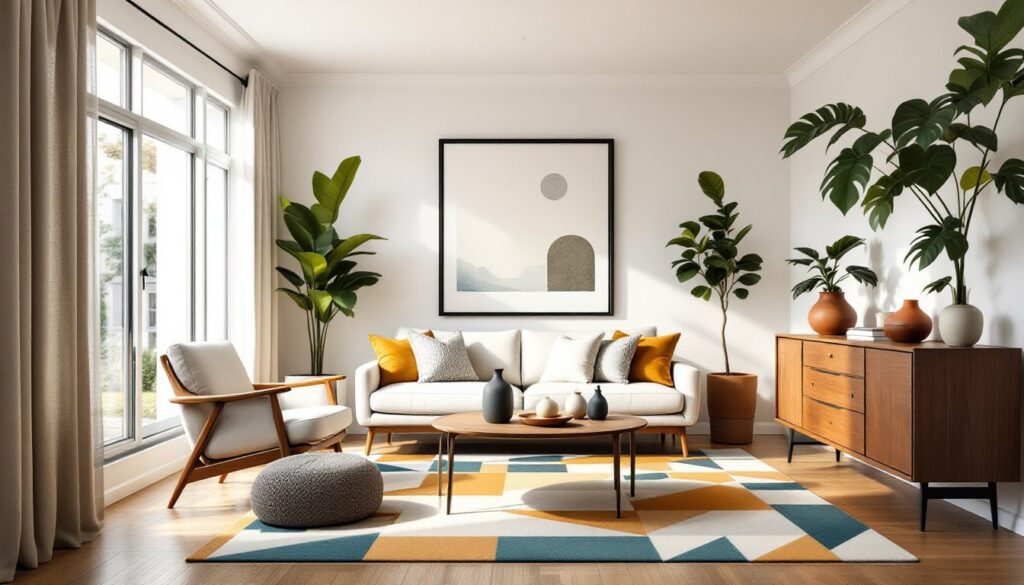
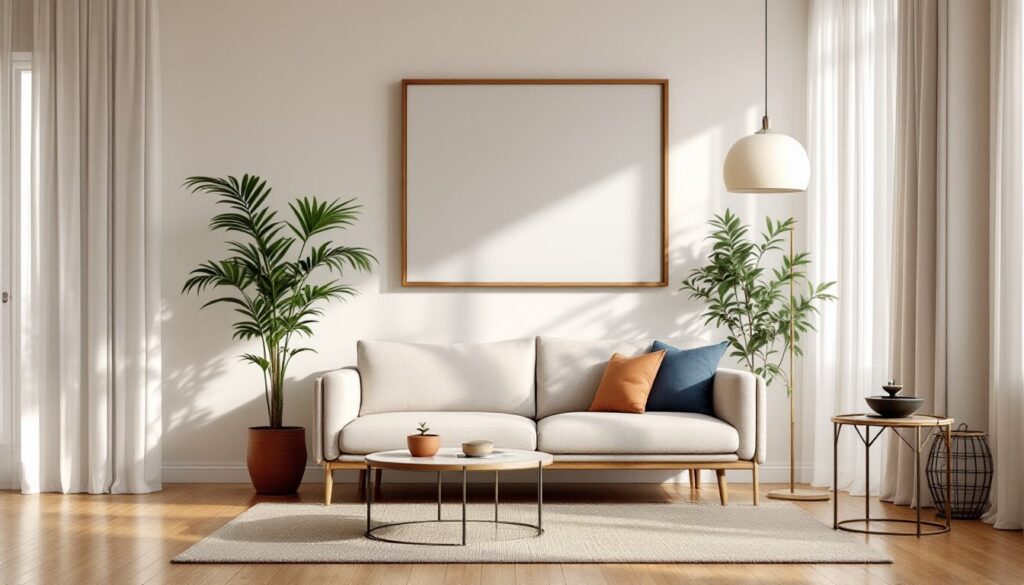
- Position the main sofa in the commanding position: back against a solid wall, facing the entrance.
- Avoid floating furniture in the center of the room unless the space is large enough (16×16 feet or more) to create distinct zones.
- Leave at least 24 inches between the sofa and coffee table for comfortable legroom and chi flow.
- Skip the “pushed against the wall” setup. Pull furniture 6–12 inches away from walls to let energy circulate behind it.
Element Integration
- Wood: Built-in shelving (use 3/4-inch plywood or solid pine boards for spans up to 32 inches without sagging), houseplants in ceramic pots.
- Fire: Table lamps on dimmer switches, a fireplace if you have one, or LED flame-effect candles (safer than open flames if you have kids or pets).
- Earth: Area rug in wool or natural fiber (jute, sisal), terracotta or stone decorative items.
- Metal: Round or oval coffee table with metal legs, picture frames in brushed aluminum.
- Water: A small indoor fountain or a large mirror opposite a window to reflect natural light (never directly opposite the main door, which pushes energy out).
Avoid These Common Mistakes
- TV as the focal point. If possible, house it in a cabinet with doors or position seating to prioritize conversation over screen time.
- Sharp corners pointing at seating (poison arrows). Use corner guards or reposition furniture.
- Dead or dying plants. They symbolize stagnant energy. If you can’t keep real plants alive, skip the fake ones, they don’t add genuine wood element.
Bedroom Layout for Better Sleep and Energy
The bedroom is a yin space, restful, private, and restorative. Layout mistakes here directly impact sleep quality and relationship dynamics.
Bed Placement (Non-Negotiable)
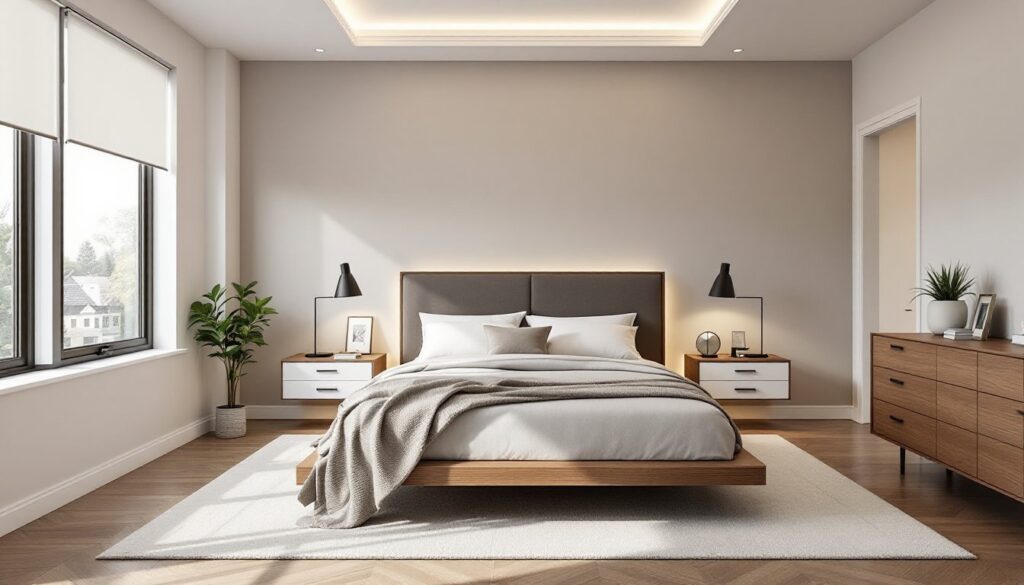
- Headboard against a solid wall (not a window or shared wall with a bathroom).
- Equal access on both sides for couples. If one person has to climb over the other, it creates imbalance.
- Avoid placing the bed directly under a ceiling beam. If you can’t move it, install a coffered ceiling treatment or fabric canopy to visually “lift” the beam.
- No mirrors reflecting the bed. This is both a feng shui rule and practical advice, seeing your reflection at night can be disorienting. If you have a mirrored closet door, hang a curtain or apply frosted window film.
Materials and Colors
- Prioritize earth and metal elements for stability and rest.
- Bedding: Natural fibers, 100% cotton, linen, or bamboo. Avoid synthetic microfiber (fire element, too activating).
- Wall color: Soft earth tones (taupe, warm beige, terracotta), skin tones (blush, peach, cream), or muted blues (water element for calm). Skip bright reds or deep blacks, they’re too yang for sleep.
- Flooring: If installing new flooring, engineered hardwood (wood element) or cork (wood, with natural sound dampening) beats laminate or vinyl for feng shui and IAQ (indoor air quality).
Tech and Electronics
Every feng shui guide will tell you to remove electronics, but let’s be realistic. If you need an alarm clock or a CPAP machine, you’re not going to ditch them. Compromise:
- Keep devices at least 3 feet from your head.
- Use a dedicated alarm clock instead of your phone to reduce EMF exposure and temptation to scroll.
- Install blackout curtains or cellular shades to block exterior light (critical for melatonin production).
Under-Bed Storage
Ideally, leave the space under your bed empty to allow energy to circulate. If you’re in a small space and need the storage, use it only for soft goods like linens or out-of-season clothes, never old junk, shoes, or cleaning supplies. Those create subconscious stress even when you can’t see them.
For additional home design ideas and layout inspiration, many contemporary approaches blend feng shui with minimalist principles to create functional, calming bedrooms.
Simple Feng Shui Fixes You Can Implement Today
You don’t need a full remodel to improve your home’s energy. These quick adjustments require minimal tools and can be completed in an afternoon.
Fix Squeaky Doors and Sticky Drawers
In feng shui, stuck or noisy elements represent blocked opportunities. Apply a silicone-based lubricant (not WD-40, which attracts dust) to door hinges. For sticky drawers, rub a white candle or bar of soap along the wooden runners.
Replace Burned-Out Bulbs Immediately
Dark bulbs = dead energy. Keep spares on hand. For recessed cans, use BR30 or BR40 bulbs depending on your housing size (measure the diameter of the can: 4-inch cans take BR30, 6-inch take BR40).
Add a Mirror in Your Entryway
Place it on a side wall (never directly facing the front door). A 24×36-inch framed mirror runs $40–$100 and visually expands the space while reflecting light. Hang it at eye level: 57–60 inches from the floor to the center of the frame.
Introduce a Living Plant
Pothos, snake plants, and ZZ plants tolerate low light and irregular watering. Use pots with drainage holes and saucers to prevent root rot. If you’re in a rental and can’t drill holes for hanging planters, use 3M Command hooks rated for the plant’s weight (a 6-inch potted pothos weighs about 2–3 pounds).
Repair Leaky Faucets
Dripping water = draining wealth, according to feng shui (and draining your water bill, according to your utility company). Most faucet leaks come from worn-out rubber washers or O-rings. For a compression faucet, shut off the water supply, remove the handle screw, replace the washer (usually 1/2-inch or 3/4-inch), and reassemble. Total cost: under $5.
Declutter One Visible Surface
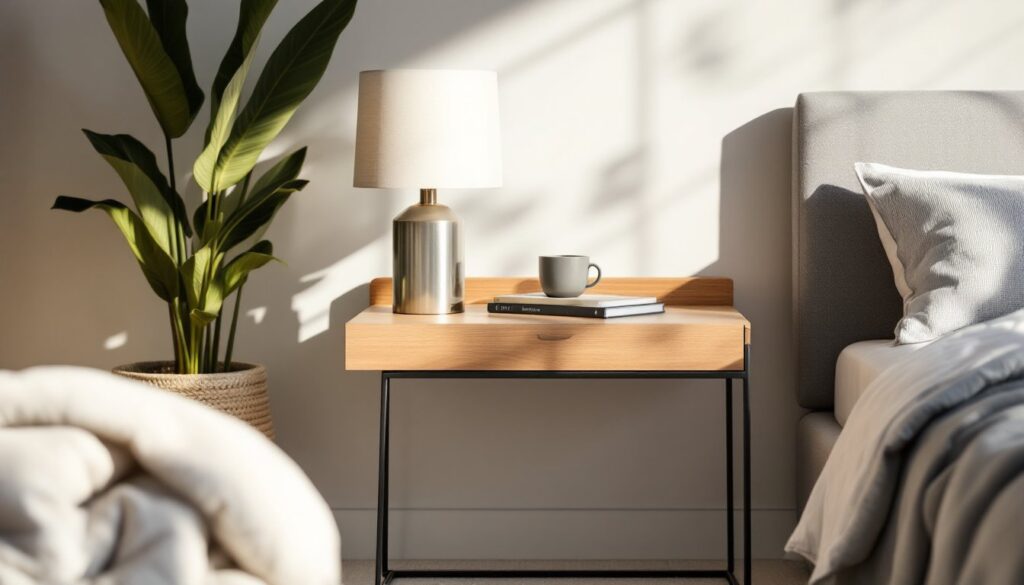
Start with your kitchen counter, entryway table, or nightstand. Move items that don’t belong in the room, trash what’s broken, and store what’s left in a drawer or cabinet. Clean the surface with a microfiber cloth and all-purpose cleaner. That’s it. The visual relief is immediate.
Rearrange for Commanding Position
Move your desk or bed so you can see the door. You may need to relocate a floor lamp or side table. Use furniture sliders (felt-bottom discs, about $8 for a set) to protect hardwood or laminate floors when repositioning heavy pieces.
Add Soft Textiles in a Hard-Surface Room
If your bathroom or kitchen feels too cold (excess metal or water element), introduce a cotton bath mat, linen hand towels, or a small woven basket for storage. These add earth and wood elements without requiring installation.
Paint a Front Door
Your front door is the “mouth of chi.” A fresh coat of paint in a color that corresponds to its compass direction (red for south-facing, black or dark blue for north, green for east, white for west) takes one weekend and costs $30–$60 for a quart of exterior paint. Sand lightly with 120-grit sandpaper, prime if changing from dark to light, and apply two coats with a 2.5-inch angled brush for a professional finish. This project can significantly improve curb appeal and energy flow, similar to tactics you’d find on interior design resources focused on entryway styling.
Install a Dimmer Switch
Controlling light intensity lets you adjust fire element on demand. Turn off power at the breaker, remove the old switch, connect the dimmer’s wires (match colors: black to black, white to white, bare copper to ground), secure it in the box, and restore power. Use a non-contact voltage tester ($15–$25) to confirm the circuit is dead before you touch any wires. Wear safety glasses. Total time: 15–20 minutes per switch.
These fixes don’t require specialized skills or a contractor, but they create measurable improvements in how your home feels and functions, which is what feng shui interior design is really about.