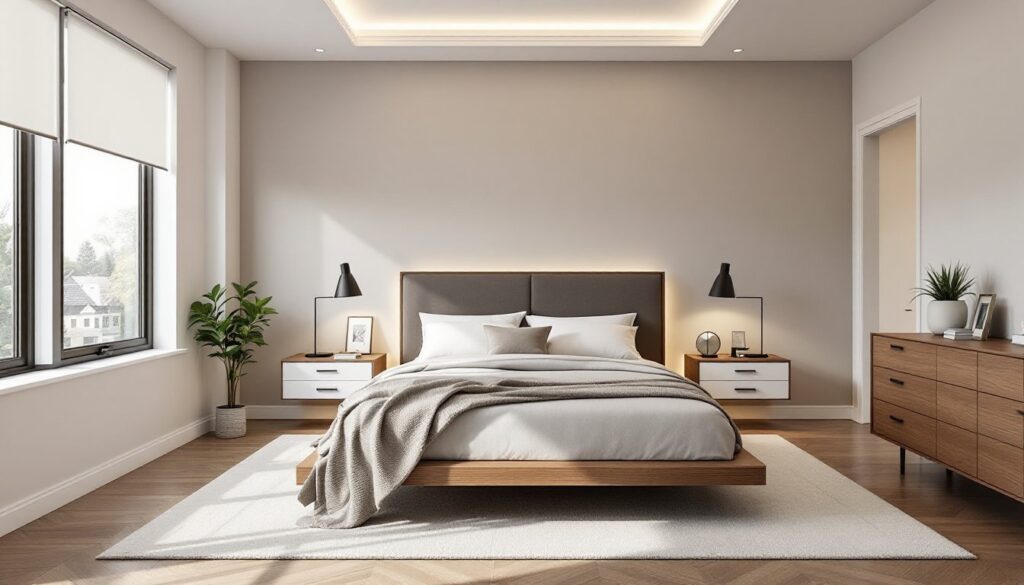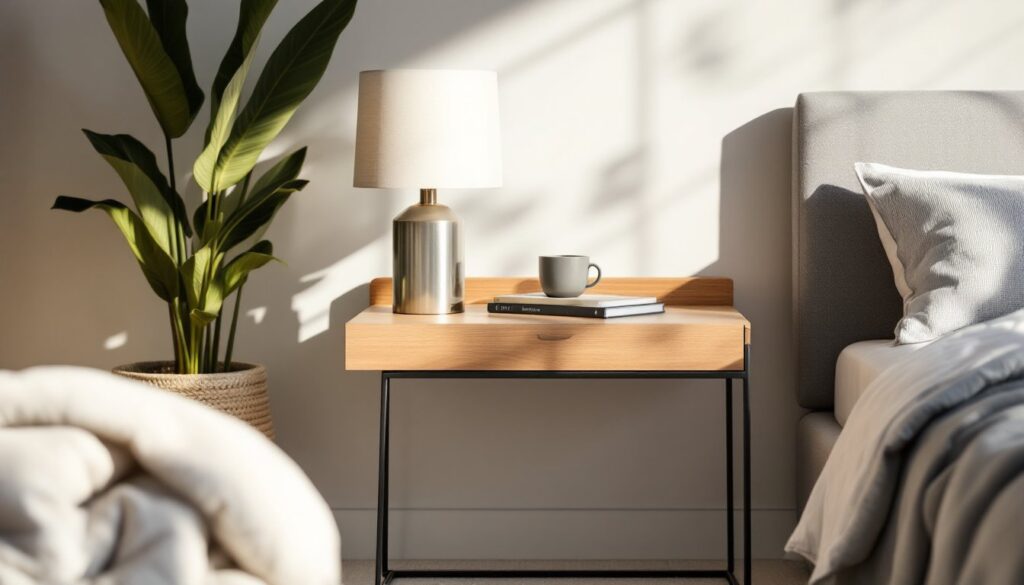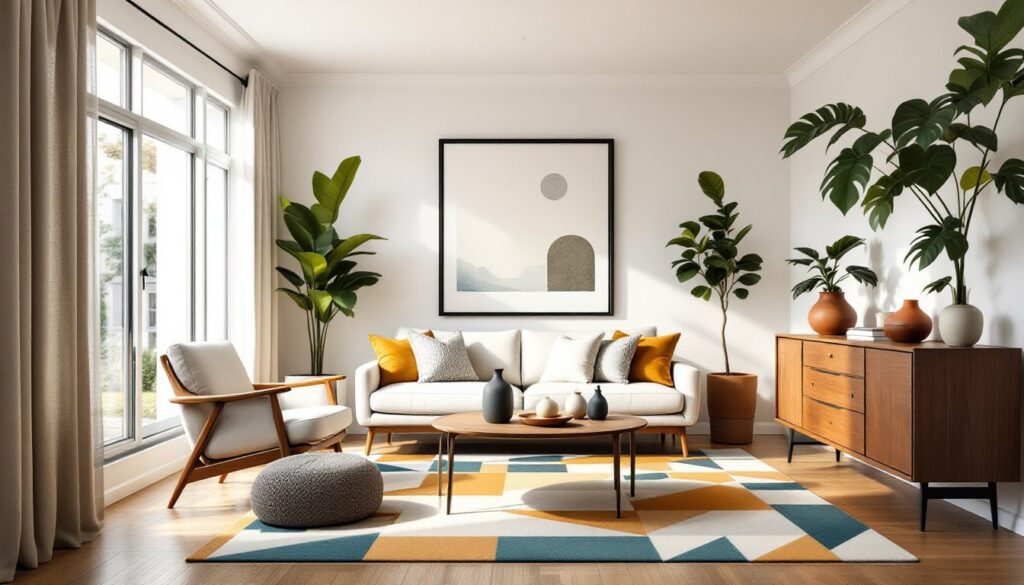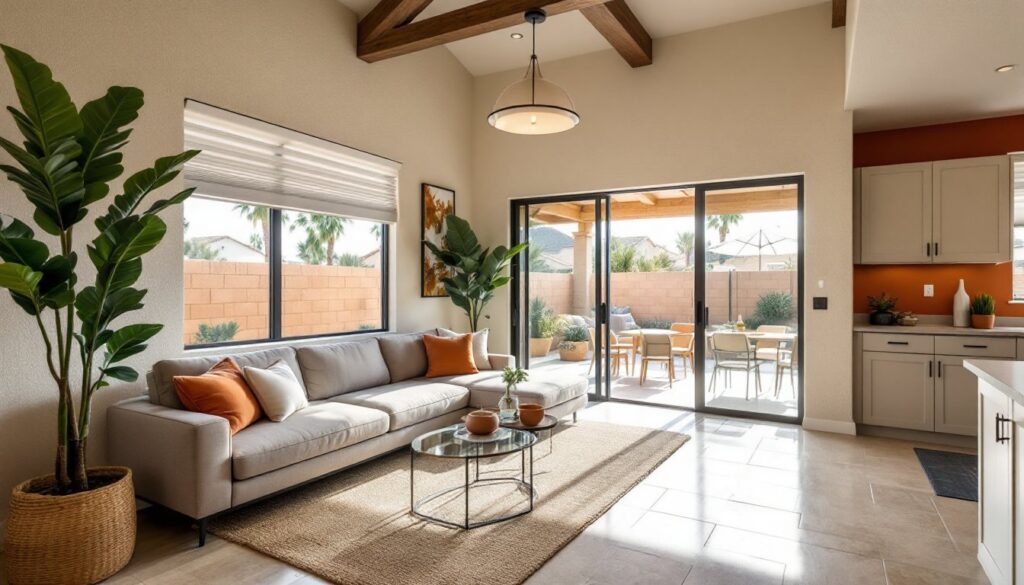

Las Vegas homeowners face unique challenges when designing interior spaces, blistering desert heat, intense sunlight streaming through windows, and a climate that demands smart material choices. But the desert also offers design opportunities: natural earth tones, seamless indoor-outdoor transitions, and architectural styles that embrace both modern minimalism and Southwestern warmth. Whether you’re renovating a ranch-style home in Summerlin or updating a condo near the Strip, understanding how to work with the environment, not against it, makes all the difference. This guide walks through practical strategies for designing interiors that look great and function well in Southern Nevada’s unique conditions.
Table of Contents
ToggleKey Takeaways
- Interior design in Las Vegas must account for extreme desert heat, low humidity, and 310+ sunny days yearly, making climate-conscious material choices and energy-efficient window treatments essential rather than optional upgrades.
- Desert Modern and Southwestern styles thrive in Las Vegas homes because they embrace natural materials and earth-tone palettes that perform well in dry conditions and create psychologically cooler spaces.
- Smart window management using cellular shades, solar screens, or low-E window film is critical for balancing natural light and UV protection while controlling energy costs in high-heat environments.
- Indoor-outdoor living design with seamless flooring transitions, wide sliding doors, and covered shade structures maximizes the eight-month outdoor season that defines Las Vegas lifestyle.
- Budget-friendly interior design updates like fresh paint, hardware swaps, DIY window treatments, and low-water plants deliver immediate impact without requiring professional renovations.
- Paint color selection directly affects temperature perception and durability—light, earth-tone neutrals are superior to dark absorptive colors, and eggshell finishes resist dust better than flat paint in desert climates.
Why Las Vegas Interior Design Is Unique
Las Vegas sits in the Mojave Desert, where summer temperatures regularly hit 110°F+ and relative humidity drops below 10%. These conditions shape every design decision, from flooring materials to window treatments.
Climate considerations matter more here than in temperate zones. Hardwood floors can shrink and crack without proper acclimation and humidity control. Fabrics fade faster under intense UV exposure. HVAC systems work overtime, making energy-efficient design choices, like cellular shades and reflective window film, practical necessities, not just eco-friendly upgrades.
The architectural landscape leans heavily toward stucco exteriors, tile roofs, and open floor plans that accommodate large windows framing mountain or Strip views. Many homes built from the 1990s onward feature great rooms with vaulted ceilings and expansive glass, which creates lighting opportunities but also heat gain challenges.
Local building codes (enforced under the 2021 International Residential Code as adopted by Clark County) emphasize energy efficiency. New construction and major renovations often require low-E window coatings and upgraded insulation, factors that influence interior design choices like curtain weight and wall finishes.
Popular Interior Design Styles in Las Vegas Homes
Three dominant styles shape Las Vegas interiors: Desert Modern, Southwestern, and Contemporary Glam. Each responds to the environment in different ways.
Contemporary Glam thrives in high-rise condos and newer subdivisions. Think polished surfaces, metallic accents, and bold statement lighting. This style works well in controlled climates where dramatic chandeliers and velvet upholstery won’t suffer from dust or dryness. It’s popular among homeowners who want a Strip-inspired look without the maximalism.
Transitional styles blend traditional comfort with clean lines. Many Vegas homes from the 2000s housing boom feature this approach, neutral walls, crown molding, granite counters, and understated furnishings. It’s safe, resale-friendly, and adaptable.
Working with professional interior designers who know local suppliers and climate constraints can streamline material sourcing and avoid costly mistakes, especially when coordinating finishes across large open-concept spaces.
Desert Modern and Southwestern Influences
Desert Modern combines mid-century modern principles with natural materials and desert-appropriate landscaping. Expect low-profile furniture, flat or butterfly rooflines (if building new), and materials like stained concrete, steel, and native stone.
Key elements include:
- Exposed wood beams (often stained or left natural)
- Stucco or plaster walls in earth tones
- Large-format tile (24″×24″ or larger) in living areas
- Minimalist window treatments or none at all on north-facing glass
- Native plants like agave, ocotillo, or desert marigold visible through windows
Southwestern design leans into territorial and Spanish Colonial roots. Terra-cotta pavers, saltillo tile, wrought iron accents, and heavy wood furniture define this aesthetic. It pairs well with homes featuring arched doorways, niches, and thick walls.
Both styles work because they embrace the desert climate rather than fight it. Natural materials perform better in low humidity, and earthy palettes reduce visual heat, a psychological trick that helps rooms feel cooler even when the thermostat reads 75°F.
Maximizing Natural Light and Managing Desert Heat
Las Vegas gets 310+ sunny days per year, which sounds great until you’re squinting at a TV screen at 2 p.m. or watching your energy bill spike in July. Smart light management balances brightness with heat control.
Window treatments are non-negotiable. Options include:
- Cellular (honeycomb) shades: Trap air in pockets, insulating windows. Top-down/bottom-up models let you admit light while blocking sightlines.
- Solar shades: Reduce glare and UV by 90%+ while maintaining views. Available in openness factors from 1% (near-blackout) to 10% (filtered light).
- Blackout curtains: Essential for bedrooms. Look for thermal-backed fabrics.
- Exterior shutters or sunscreens: Metal awnings or fabric screens mounted outside windows block heat before it penetrates glass, far more effective than interior treatments.
Window film offers a permanent solution. Low-E films reject up to 80% of solar heat while allowing visible light through. Expect to pay $8–$15 per square foot installed. DIY kits exist but require meticulous application to avoid bubbles.
Skylights and clerestory windows work well on north-facing walls or with automated shades. Avoid unshaded west-facing skylights, they turn rooms into ovens.
Light-colored interiors reflect rather than absorb heat. White or pale gray ceilings, especially in vaulted spaces, bounce natural light deeper into rooms without additional fixtures.
Safety note: When installing window treatments, use a cordless design or cord tensioners if children or pets are present. Also, wear gloves and safety glasses when cutting metal blinds or handling glass during film installation.
Color Palettes That Work in Las Vegas Homes
Color choices in the desert aren’t just aesthetic, they affect perceived temperature and how spaces age under UV exposure.
Earth tones dominate for good reason. Shades like sandstone, terracotta, sage, and warm gray harmonize with the natural landscape visible through windows. They also show less dust, a real concern when winds kick up grit from surrounding desert.
Popular palette combinations:
- Warm neutrals + rust accents: Creamy whites, taupes, and burnt orange
- Cool grays + desert plants: Charcoal, silver sage, and cactus green
- Monochrome earth tones: Layered beiges, tans, and light browns
- Bold accent walls: Deep turquoise, terracotta, or adobe red in dining rooms or entries
Avoid dark, heat-absorbing colors on sun-facing walls. A chocolate brown accent wall on a west-facing elevation can raise surface temps significantly, making HVAC work harder.
Paint sheen matters. In dry climates, eggshell or satin finishes resist dust better than flat paint and are easier to wipe down. Reserve flat paint for ceilings only. Use semi-gloss in kitchens and baths where moisture (rare, but it happens) can appear.
When selecting paint, let samples dry for 24 hours before deciding, colors shift as they cure, especially in low humidity. Brands like Sherwin-Williams Desert Tan or Benjamin Moore Clay Beige are regionally appropriate starting points.
For decor inspiration and palette ideas suited to modern desert living, browsing curated galleries can spark ideas without the generic Pinterest overload.
Indoor-Outdoor Living: Designing for the Las Vegas Lifestyle
Las Vegas weather allows outdoor living roughly eight months a year. Design should blur the line between interior and patio spaces.
Sliding or folding glass doors (8’–12′ wide openings) create seamless transitions. Pocket doors disappear into walls: bi-fold systems stack panels to one side. Both require structural headers capable of spanning wide openings, verify load-bearing capacity with an engineer if retrofitting.
Flooring continuity reinforces the connection. Extend large-format tile from living areas onto covered patios. Use the same grout color and tile direction to eliminate visual breaks. Avoid wood-look tile outdoors unless it’s rated for freeze-thaw cycles (rare in Vegas, but occasional winter lows dip below freezing).
Covered outdoor spaces are essential. Shade structures, alumawood pergolas, solid-roof patio covers, or retractable awnings, make patios usable during shoulder seasons. Many homeowners add misters or ceiling fans to covered patios. Misters drop perceived temps by 20°F but increase humidity (a plus in the desert).
Outdoor kitchens and fire features extend living seasons. Built-in grills, beverage fridges, and counter seating encourage use. Fire pits or linear gas fireplaces provide warmth on cool winter evenings (yes, Vegas winters exist, December through February averages 45°F–60°F).
Material choices for outdoor furniture:
- Powder-coated aluminum: Lightweight, rust-proof, fade-resistant
- Synthetic wicker (resin): UV-stable, easy to clean
- Teak or eucalyptus: Durable hardwoods if sealed annually
- Avoid: Untreated wood, fabric cushions without UV-rated covers
Permits: Any structural patio cover over 120 square feet typically requires a permit in Clark County. Check local codes before starting.
Budget-Friendly DIY Interior Design Tips for Vegas Homeowners
You don’t need a five-figure budget to refresh interiors. Focus on high-impact, low-cost changes that suit desert living.
Paint is the cheapest transformation. A gallon of quality interior paint covers roughly 350–400 square feet (one coat). Expect to spend $30–$60 per gallon. Prep work, patching holes, sanding, taping, takes longer than painting but determines results. Use painter’s tape rated for delicate surfaces if working over textured drywall.
Update hardware: Swapping cabinet pulls, door handles, and light switch plates costs $50–$150 for an average kitchen and instantly modernizes dated spaces. Choose finishes that resist tarnish in low humidity, brushed nickel and matte black perform well.
DIY window treatments: Cellular shades and roller shades are available as cut-to-size kits. Measure twice, inside mount requires exact width and height. Tools needed: tape measure, level, drill, 1/8″ bit, and screwdriver. Most installs take 20–30 minutes per window.
Accent walls with peel-and-stick materials: Removable wallpaper, wood planks, or stone veneer panels offer texture without permanent commitment. Ensure walls are clean and smooth, dust and texture cause adhesion failures.
Thrift and salvage shopping: Las Vegas has active resale markets (e.g., ReStore, local estate sales). Solid wood furniture, vintage light fixtures, and ceramic planters can be refinished or repainted. Strip old finishes outdoors, fumes and dust aren’t indoor-friendly.
Greenery: Live plants soften hard desert aesthetics. Choose low-water species: pothos, snake plants, ZZ plants, or succulents. They tolerate neglect and low humidity. Avoid ferns and tropicals, they’ll struggle unless you maintain 40%+ humidity (not practical in Vegas).
Drawing inspiration from home design galleries tailored to arid climates helps identify achievable projects without overcommitting to trends that don’t suit the environment.
Safety reminder: Always wear dust masks when sanding, gloves when handling chemicals or sharp materials, and safety glasses when drilling or cutting. Ventilate rooms well, open windows and use fans, especially when painting or applying adhesives.