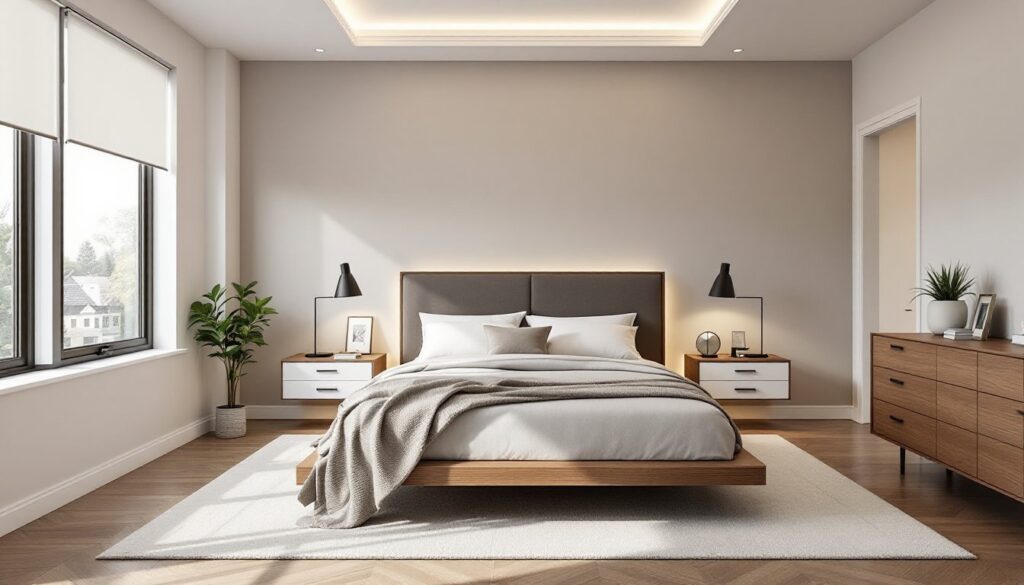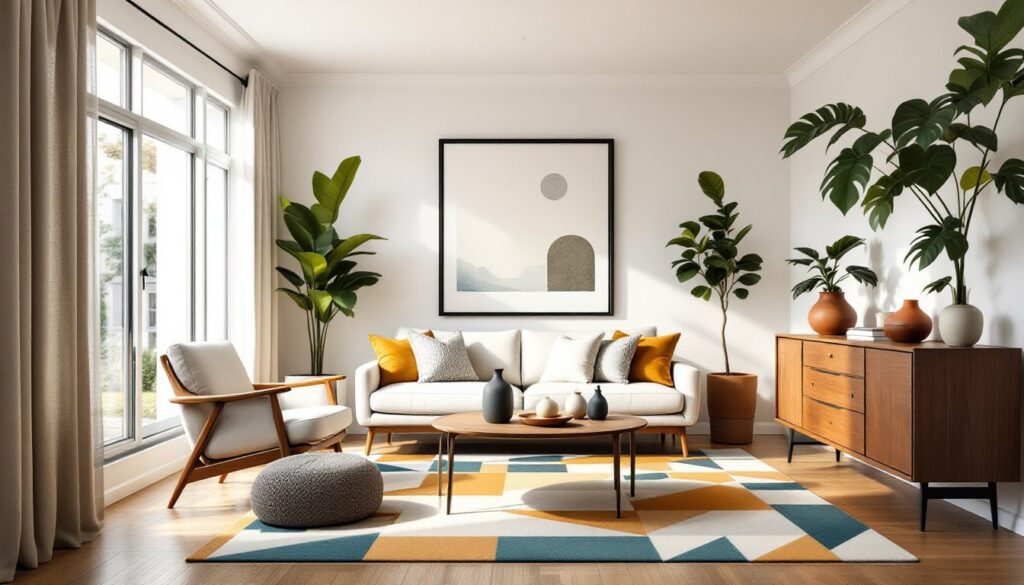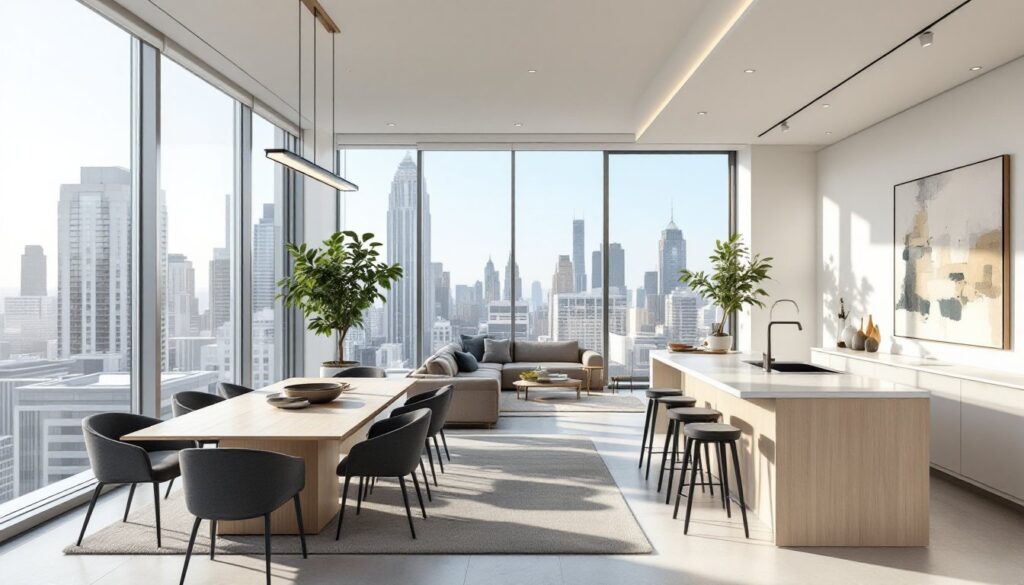

Penthouses sit at the top of the building, and the top of the design challenge ladder. They’re not just bigger apartments: they come with floor-to-ceiling windows, wraparound terraces, and structural quirks like exposed mechanicals or oddly angled ceilings. Designing one means balancing jaw-dropping views with livability, luxury with function, and often, a blank slate with a hefty price tag. Whether someone’s renovating a newly purchased penthouse or refreshing an existing space, the principles remain the same: work with the architecture, not against it, and make every choice deliberate.
Table of Contents
ToggleKey Takeaways
- Penthouse interior design requires balancing panoramic views, scale (2,000–10,000+ sq ft), and structural flexibility—prioritize working with the architecture rather than against it.
- Maximize natural light and views by keeping window walls clear, using sheer motorized shades with minimal opacity, and layering artificial lighting with dimmers and task fixtures spaced every 4–6 feet.
- Choose neutral wall colors (whites, grays, taupes) paired with durable, UV-resistant materials like engineered hardwood (Janka 1,200+), large-format porcelain tile, and quartz countertops to withstand intense sunlight and prevent fading.
- Scale furniture appropriately to high ceilings and open spaces: select large sectionals (120+ inches), oversized area rugs (9×12 minimum), and statement lighting sized by adding room dimensions, then converting to fixture diameter in inches.
- Use hybrid open-concept layouts with partial walls, glass partitions, or sliding barn doors to maintain light and sight lines while creating defined zones and acoustic separation.
- Prioritize rooftop terrace planning by verifying building codes, using weatherproof materials (composite decking, powder-coated aluminum), ensuring proper drainage with riser feet under planters, and installing wind-rated screens and GFCI-protected lighting.
What Makes Penthouse Interior Design Unique?
Penthouse design differs from standard residential work in three major ways: scale, exposure, and structural freedom.
First, the square footage. Most penthouses start around 2,000 square feet and can stretch past 10,000. That’s not just more rooms, it’s more ceiling height (often 10 to 14 feet), longer sight lines, and bigger decisions about zoning and flow.
Second, the glass. Floor-to-ceiling windows aren’t optional: they’re the selling point. That means dealing with glare, heat gain, UV fading on furniture, and privacy without blocking the view. Window treatments need to be motorized or track-mounted, and furniture placement has to account for sight lines from multiple angles.
Third, structural flexibility. Penthouses often occupy the entire top floor, so load-bearing walls may be minimal or reconfigurable. That opens the door (literally) to open-concept layouts, but it also means any demolition or addition requires an engineer’s sign-off and often a permit. HVAC, plumbing, and electrical are typically more accessible in penthouses, but routing new lines can still be complex if the building’s mechanical room is several floors below.
Finally, there’s the terrace. Outdoor space is common in penthouses, and it’s not just a balcony, it’s often 500+ square feet of exposed rooftop. That means considering wind load, drainage, weatherproof finishes, and building code restrictions on railings and parapets. Some buildings limit gas lines for grills or firepits, and others restrict planters over a certain weight per square foot.
Maximizing Panoramic Views and Natural Light
The view is the asset. Everything else should frame it, not compete with it.
Keep window walls clear. Avoid placing tall furniture, bookcases, armoires, room dividers, directly in front of glass. If storage is needed, use low-profile credenzas or built-ins that sit below the window sill line (typically 24 to 36 inches off the floor).
Control glare without blocking light. Sheer motorized shades or solar screens with an openness factor of 3% to 5% filter UV and reduce glare while maintaining the view. For bedrooms, add blackout roller shades on a separate track. Avoid heavy drapes unless the design specifically calls for drama, they eat up visual space and gather dust.
Use reflective materials strategically. Polished concrete, high-gloss lacquer, and large mirrors amplify natural light but can also create hot spots and glare. Experts at luxury interior design publications often recommend matte or satin finishes on walls and ceilings in spaces with abundant glass to diffuse light more evenly.
Supplement with layered lighting. Even with all that daylight, penthouses need artificial lighting for evenings and overcast days. Recessed LED cans on dimmers (spacing them every 4 to 6 feet) provide ambient light. Add task lighting, under-cabinet strips in kitchens, swing-arm sconces in reading nooks, and accent lighting like track or picture lights for artwork. Avoid central chandeliers in rooms with tall ceilings unless they’re scaled appropriately: a fixture that works in an 8-foot room looks like a toy in a 12-foot space.
Choosing the Right Color Palette and Materials
Color in a penthouse isn’t about trends, it’s about managing light, temperature, and the relationship between interior and exterior.
Neutral bases work best. Whites, grays, taupes, and warm beiges handle the shifting light throughout the day without looking washed out or muddy. Benjamin Moore’s Swiss Coffee or Sherwin-Williams’ Alabaster are popular choices for walls in high-light environments. Save bold color for accent walls or furniture that can be swapped out.
Material selection matters for durability and maintenance. High-traffic areas need hard-wearing finishes. For flooring, wide-plank engineered hardwood (7 to 9 inches wide) or large-format porcelain tile (24×24 inches or larger) handle both foot traffic and visual scale better than narrow strips or small tiles. If going with hardwood, choose species with a Janka hardness rating above 1,200 (like white oak or hickory) to resist denting.
In kitchens and baths, quartz countertops outperform natural stone in penthouses because they don’t require sealing and handle UV exposure without yellowing. For backsplashes, subway tile is classic, but large slabs (48×96 inches) of matching quartz or sintered stone eliminate grout lines and simplify cleaning.
Textural contrast prevents sterility. An all-white penthouse with polished floors and glass tables feels cold. Layer in natural materials: a jute or wool area rug, linen upholstery, matte-black metal fixtures, or a live-edge wood dining table. Designers featured in modern home design resources frequently mix raw and refined, concrete paired with velvet, steel with walnut.
Avoid materials that fade or warp. Direct sunlight is intense at elevation. Skip fabrics without UV-resistant treatment, especially on window-facing sofas. Leather can crack: bonded leather disintegrates. Solid wood furniture needs to be acclimated and finished properly, or it’ll split in low-humidity high-rises.
Open-Concept Layouts vs. Defined Spaces
Open-concept is the default in penthouse design, but it’s not always the right call.
Open layouts maximize views and light. Combining the kitchen, dining, and living areas into one great room lets sight lines run uninterrupted from one end of the floor to the other. It’s ideal for entertaining and makes the space feel larger. But, it also means sound travels, cooking smells linger, and there’s no visual or acoustic separation between activities.
Defined spaces offer privacy and function. Closing off a bedroom wing, adding a study with French doors, or using a glass partition between the living area and kitchen creates zones without sacrificing light. This is especially important in multi-bedroom penthouses where not everyone’s schedule aligns.
Hybrid approaches work well. Use partial walls, floor-to-ceiling bookshelves, or sliding barn doors to section off areas when needed. A kitchen island with a waterfall edge and bar seating can act as a boundary without walls. Area rugs, changes in ceiling height (soffits or trays), and pendant lighting clusters also define zones visually.
Consider load-bearing walls before demo. In older buildings or conversions, some interior walls may be structural. Before opening up a floor plan, hire a structural engineer to assess what can be removed and what needs a steel beam or reinforced header. Permits are required for structural changes, and the building’s management company or condo board may have approval processes that add weeks to the timeline.
Plan HVAC zoning carefully. Open spaces are harder to heat and cool evenly, especially near expansive glass. Multi-zone systems with separate thermostats for different areas prevent hot and cold spots. If the building uses a central HVAC system, upgrading to a ductless mini-split for supplemental heating and cooling may be necessary.
Essential Furniture and Decor for Penthouse Living
Furniture in a penthouse needs to be scaled up and anchored. Standard residential pieces look lost.
Sectionals over sofas. A three-seat sofa feels small in a room with 12-foot ceilings and 20-foot sight lines. An L-shaped or U-shaped sectional (minimum 120 inches long) grounds the seating area and provides enough seats for guests. Choose low-profile legs and tight backs to keep proportions sleek.
Oversized area rugs. An 8×10 rug is too small. Start at 9×12 for a living room, and go larger (10×14 or 12×15) if the space allows. The rug should extend at least 12 inches beyond the front legs of the sofa and chairs. In dining areas, add 24 inches on all sides of the table so chairs stay on the rug when pulled out.
Statement lighting at scale. A chandelier or pendant should be sized to the room. A rough rule: add the room’s length and width in feet, then convert to inches for the fixture’s diameter. For a 20×15-foot room, that’s 35 inches. In rooms with 10+ foot ceilings, consider multi-tiered or linear fixtures. Hang dining pendants 30 to 36 inches above the table surface.
Anchor with art and mirrors. Large-scale artwork (48×60 inches or bigger) fills vertical space without clutter. Lean oversized pieces on the floor against a wall for a casual look, or mount at eye level (center of the piece at 57 to 60 inches). Mirrors opposite windows bounce light but can also reflect glare, test placement before permanent mounting.
Built-ins for storage. Freestanding furniture rarely provides enough storage in a penthouse. Custom built-ins, floor-to-ceiling bookcases, window seat storage, walk-in closets with modular systems, maximize space and keep clutter hidden. Use cabinet-grade plywood or MDF with hardwood veneer for durability. Insights from upscale home decor experts suggest integrating LED strip lighting inside open shelving to highlight decor and improve functionality.
Adding Outdoor Living Areas and Terraces
A penthouse terrace is an extension of the interior, not an afterthought.
Check building codes and HOA rules first. Many high-rises restrict terrace modifications. Weight limits per square foot affect planters, furniture, and built-ins. Fire codes may prohibit open flames (gas grills, firepits). Some buildings require railings at a minimum height of 42 inches and prohibit glass or cable rail systems. Get written approval before starting work.
Choose weatherproof materials. Porcelain pavers or composite decking withstand freeze-thaw cycles and UV exposure better than natural stone or wood. Interlocking pavers on adjustable pedestals allow for drainage and easy replacement. For furniture, powder-coated aluminum or all-weather wicker with solution-dyed acrylic cushions handle sun and rain. Teak is durable but requires annual oiling.
Plan drainage and irrigation. Rooftop terraces need proper drainage to prevent water pooling and leaks into the unit below. Planters should have drainage holes and sit on risers or feet to allow airflow underneath. If adding greenery, consider a drip irrigation system on a timer, hand-watering large planters on the 30th floor gets old fast.
Windbreaks and privacy screens. Wind is a factor at elevation. Frameless glass panels, metal screens, or tall planters with evergreen shrubs (boxwood, juniper) create shelter without blocking views. Retractable awnings or sail shades provide sun protection but need to be wind-rated and anchored into the building structure, not just the terrace surface.
Lighting and power. Outdoor electrical outlets need to be GFCI-protected and weatherproof (NEMA 3R-rated enclosures minimum). Low-voltage LED landscape lighting along walkways and uplighting for planters adds ambiance. String lights are popular but require secure mounting points and should be rated for outdoor use.
Conclusion
Penthouse design is about discipline. It’s tempting to over-furnish, over-accessorize, or chase every trend, but the best spaces let the architecture and views do the heavy lifting. Start with a solid plan, respect the building’s systems, and invest in quality materials that’ll last. The result is a space that feels both elevated and livable, not just a showpiece, but a place someone actually wants to come home to.