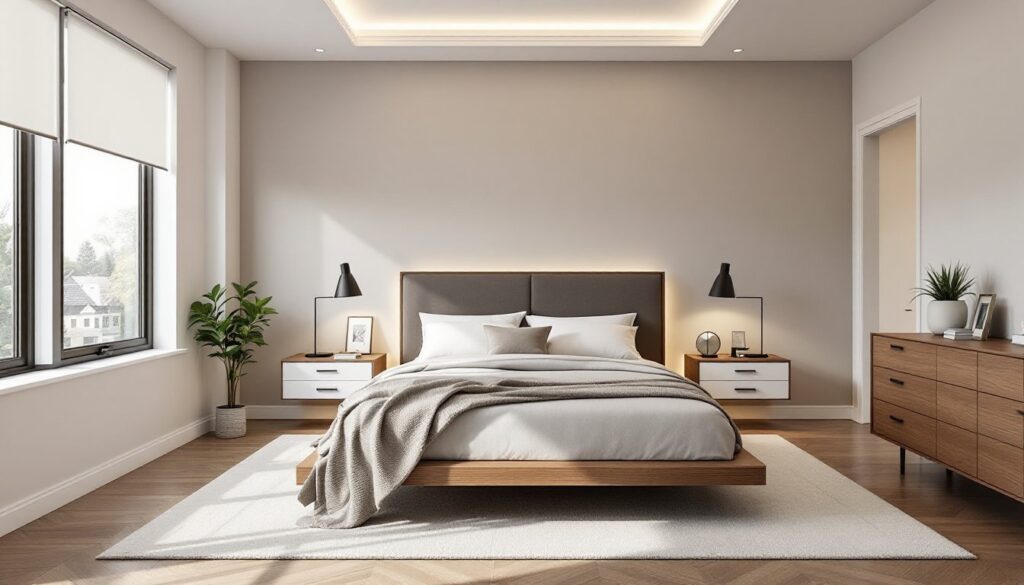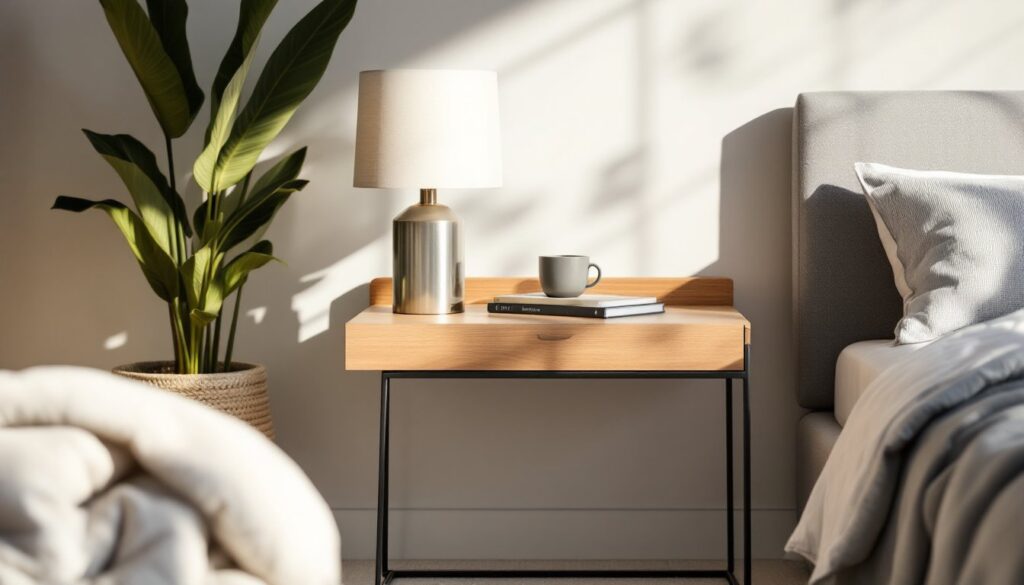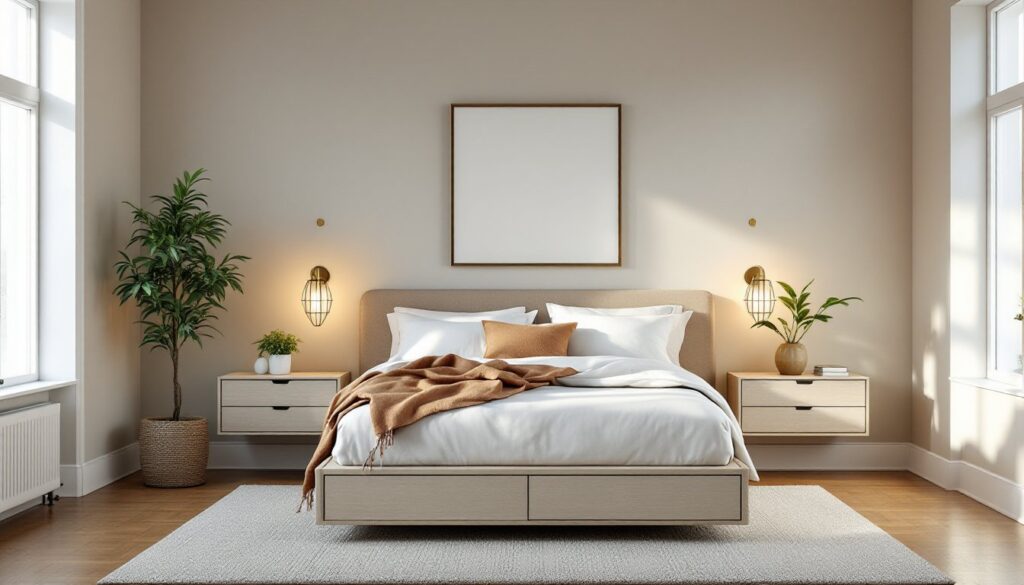

A well-designed bedroom does more than look good, it functions as a sanctuary. Modern bedroom decor ideas have shifted away from excess toward intentional, restful spaces that prioritize both comfort and clean aesthetics. Whether you’re starting fresh or refreshing an existing room, today’s approach to contemporary bedroom design emphasizes calm, sustainability, and smart storage that keeps visual noise at bay. This guide walks you through the practical elements of modern bedroom decor, from material choices to lighting layering, so you can build a space that feels both serene and livable.
Table of Contents
ToggleKey Takeaways
- Modern bedroom decor prioritizes minimalist design with intentional furniture choices and hidden storage that eliminates visual clutter while maintaining comfort.
- A neutral color palette of whites, warm beiges, taupe, and greige creates a calm backdrop, with muted accent tones like rust or olive adding personality without overwhelming the space.
- Layered lighting with statement ceiling fixtures, bedside sconces, and warm-white LED bulbs (2700K–3000K) supports both functionality and better sleep quality.
- Sustainable materials like FSC-certified wood, organic cotton, linen, and natural latex create a timeless bedroom that ages well and reduces environmental impact.
- Texture layering through mixed fabrics—linen, velvet, wool, and bouclé—adds richness and warmth while maintaining a cohesive, serene aesthetic.
- Smart storage solutions including under-bed drawers, floating shelves, and concealed cable management keep belongings organized and out of sight, preserving the room’s peaceful atmosphere.
Minimalist Design Principles For A Serene Retreat
A minimalist bedroom starts with one core rule: every piece must earn its place. Clean lines and simple forms create visual calm, while low-profile beds, streamlined nightstands, and paired-down décor prevent the space from feeling cluttered. The goal isn’t a sterile room, it’s one where your eye can rest.
Functionality drives every choice. Look for beds with integrated storage drawers (common in platform bed designs), nightstands with concealed compartments, and built-in closet systems that keep belongings out of sight. Hidden cable management matters too: run power cords behind furniture or through cable raceways so they don’t break up sight lines.
Open floor space is essential. Rather than filling corners with decorative objects, embrace negative space. A few carefully chosen items, a single piece of artwork, a simple table lamp, a single plant, carry more visual weight in a minimalist room than a crowded shelf. This restraint is what makes the room feel peaceful rather than empty.
Contemporary Color Palettes And Neutral Foundations
Modern bedrooms typically start with a soft, neutral base: whites, warm beiges, taupe, greige (the gray-beige hybrid), or light gray. These hues create a calm backdrop without demanding attention. Choose paint finishes carefully, matte or eggshell finishes reduce glare, while soft whites warm up with natural light better than stark whites.
Warm accent tones add personality without chaos. Think muted rust, caramel, soft terracotta, olive, or deep burgundy introduced through throws, pillows, or a single accent wall. Black or charcoal accents, picture frames, lamp bases, drawer hardware, provide contrast and ground the space. If you prefer cooler tones, desaturated blues and greens (sage, dusty blue) deliver a calming effect without feeling cold.
The key is restraint. Limit your palette to three main colors plus neutrals. This approach is what defines a contemporary color scheme rather than a trendy one: it won’t feel dated in a year. A low-VOC paint finish also protects indoor air quality, important for a room where you spend eight hours a night.
Statement Lighting As A Design Focal Point
Lighting in modern bedrooms works in layers. A statement ceiling fixture (a sculptural pendant, linear fixture, or flush-mount with geometric lines) often anchors the room as the focal point. Pair this with bedside lamps or wall-mounted sconces, sconces are particularly practical because they free up nightstand space and create symmetry on either side of the bed.
Warm white bulbs (approximately 2700K–3000K color temperature) are standard: they feel cozy and support better sleep than cool white (5000K+). LED bulbs deliver this warmth efficiently and last far longer than incandescent, making them the practical choice for bedrooms.
Add accent lighting for layers: LED strips behind floating shelves, picture lights above artwork, or recessed strips along the baseboards create depth and visual interest. This layered approach means you’re not relying on a single overhead fixture, which can feel harsh in a bedroom. Dimmers on main fixtures and sconces let you adjust the mood, bright for getting ready, dim for winding down.
Sustainable Materials And Modern Furniture Selection
Material choices define whether a bedroom feels timeless or trendy. Look for FSC-certified wood (sustainably harvested), bamboo, or reclaimed wood in bed frames and nightstands. These materials age well and carry less environmental weight than mass-produced particleboard furniture that ends up in landfills after five years.
For soft goods, modern design inspiration often features organic cotton or linen bedding, natural latex mattresses, and jute or wool rugs. These fabrics regulate temperature better than synthetics and feel more durable over time. A wool rug under the bed adds warmth and absorbs sound, reducing echo in the room.
Choose durable, timeless designs over trend-driven pieces. A simple wooden platform bed with clean lines will serve you well for years: an ornate upholstered headboard in the hot color of 2026 may feel dated by 2028. Multifunctional furniture, storage benches at the foot of the bed, nightstands with drawers, beds with built-in storage, reduces the need to add more pieces later, keeping the space intentional and clutter-free.
Texture And Layering For Visual Interest
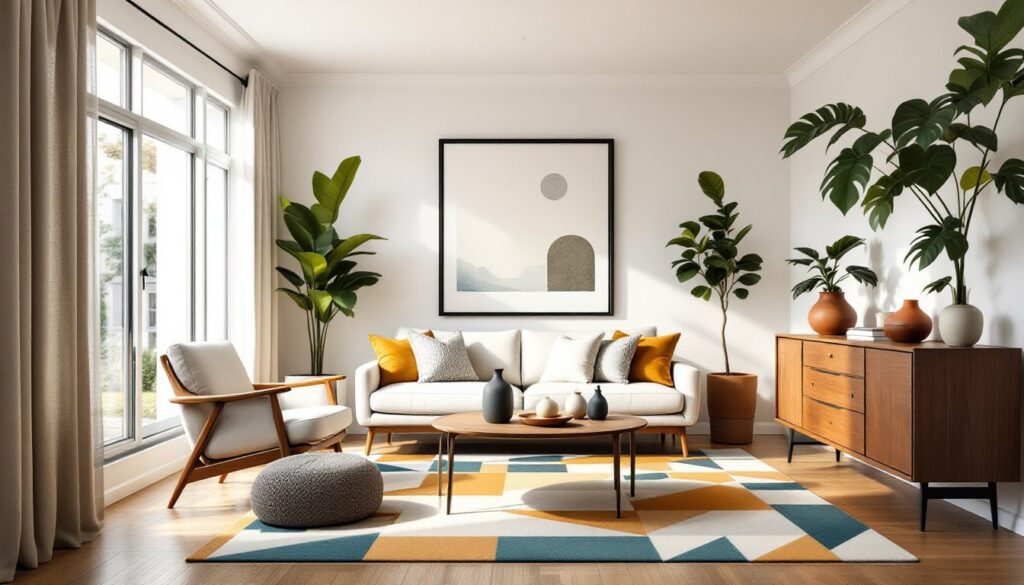
A mid century modern interior design approach often relied on texture to add richness without visual noise, and that principle holds for contemporary bedrooms today. Layering textiles creates depth and warmth. Start with cotton or linen sheets (not plastic-feeling synthetics), add a quilt or duvet, then crown it with a heavier knit or boucle throw folded at the foot or draped over the headboard.
Mix fabric types: linen, velvet, faux fur, wool, and bouclé all read differently to the eye and touch. A velvet pillow against linen sheets, or a faux fur throw on a linen duvet, creates tactile interest without looking mismatched because the palette remains cohesive. A modern bedroom setting also benefits from wall texture, consider textured paint finishes, fabric wall panels, or a woven headboard that adds depth without overwhelming the room.
Rugs anchor the space and add warmth underfoot. A natural jute or wool rug under the bed defines the sleeping area and softens the room acoustically. Texture doesn’t mean pattern clutter: it means deliberately choosing materials that feel good and look intentional.
Smart Storage Solutions That Hide Clutter
Modern bedrooms stay calm because storage is invisible. Built-in wardrobes, under-bed storage drawers, and storage benches keep belongings contained. Floating nightstands and shelves preserve floor space in smaller rooms, you can see the floor, which makes the space feel larger and easier to clean.
Drawer organizers and dividers prevent the “junk drawer” syndrome: if every item has a home, the bedroom stays clutter-free. Concealed cable management matters here too, use cable clips, boxes, or raceways to hide phone chargers, lamp cords, and device cables behind furniture or along baseboards.
50 Minimalist Bedroom Ideas demonstrate how closed-front cabinetry, wardrobes with doors, and hidden TV mounts maintain a serene atmosphere. If your bedroom includes a TV, hide it in a cabinet or behind a sliding panel rather than letting it dominate visually. Storage that’s out of sight doesn’t mean out of reach, it just means the room feels restful because visual noise is eliminated.
Conclusion
Modern bedroom decor balances calm aesthetics with genuine livability. A neutral base, restrained color palette, layered lighting, mixed textures, and hidden storage work together to create a serene, uncluttered space. Choose sustainable materials and timeless furniture that will serve you well beyond 2026. The beauty of this approach is flexibility, you can refresh the room seasonally with new throw pillows or blankets without overhauling the design. Start with the bones (bed, lighting, storage), then add personality through textiles and minimal accent pieces.