
Your bedroom is more than just a place to sleep, it’s your personal retreat, and the design choices you make there directly impact your rest quality and daily mood. Modern bedroom ideas have evolved well beyond matching furniture sets and cookie-cutter layouts. Today’s approach to bedroom design blends functionality with aesthetic appeal, emphasizing calm environments that support genuine relaxation. Whether you’re starting from scratch or refreshing an existing space, understanding current design trends helps you create a room that feels intentional, comfortable, and genuinely yours. This guide walks through seven actionable design trends shaping modern bedrooms in 2026, from minimalist aesthetics to smart home integration, so you can adapt what works for your space and lifestyle.
Table of Contents
ToggleKey Takeaways
- Modern bedroom ideas emphasize functionality and calm aesthetics through minimalist design, clean lines, and intentional furniture selection that supports relaxation and better sleep quality.
- Color palettes with three to four colors maximum—featuring cooler tones like pale blue and soft sage green—reduce visual overstimulation and support healthier sleep cycles according to sleep research.
- Layered lighting with ambient, task, and accent options, plus dimmable warm-toned bulbs (2700K), helps regulate your circadian rhythm and creates flexible ambiance without a single overhead fixture.
- Dual-function furniture with storage solutions, such as platform beds with drawers and wall-mounted nightstands, maximizes space efficiency while maintaining the open, airy feel modern bedrooms require.
- Sustainable materials like solid wood, organic cotton bedding, and low-VOC paint reduce environmental impact while improving air quality and durability in your bedroom retreat.
- Smart technology integration—such as color-adjusting lights and programmable thermostats maintaining 65–68°F—works best when it solves real sleep problems rather than adding unnecessary complexity.
Minimalist Aesthetics and Clean Lines
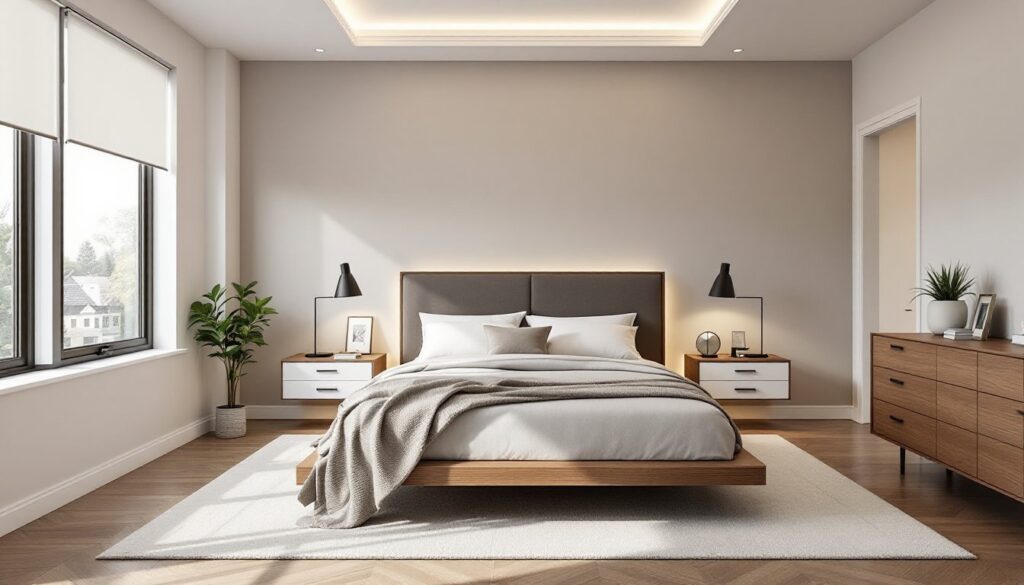
Minimalist bedroom design strips away visual clutter and focuses on essential furniture arranged with breathing room. This doesn’t mean cold or sparse, it means intentional. A platform bed with clean-lined nightstands, a single statement dresser, and unadorned walls create calm without feeling institutional.
When implementing minimalism, start by auditing what’s actually in your room. Do those decorative pillows get used? Is the bookshelf serving you, or just collecting dust? Keep pieces that function or genuinely please you: donate or sell the rest. This immediately opens up your space visually.
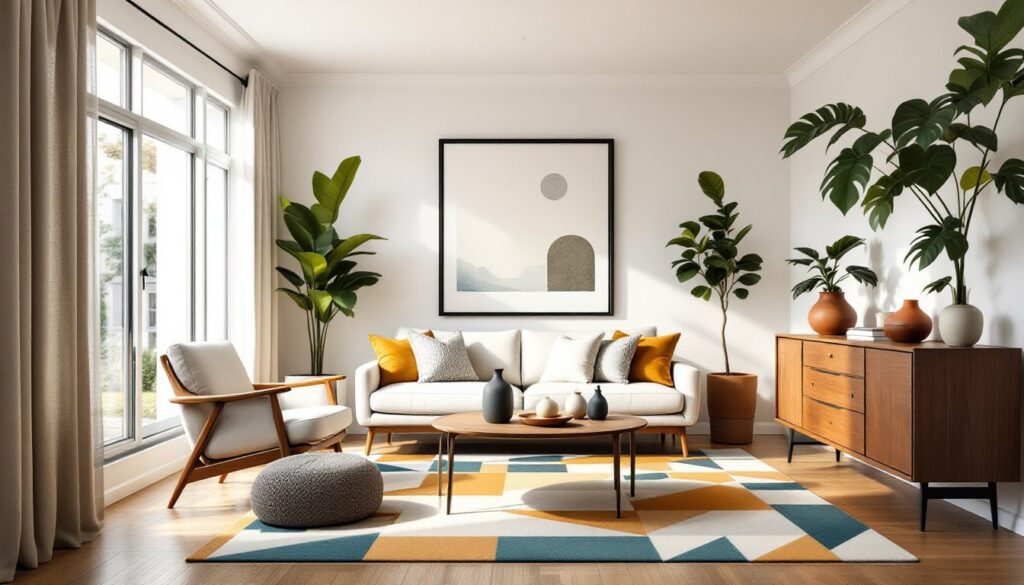
Furniture selection matters here. Look for pieces with straight edges, tapered legs, and minimal ornamentation. A solid wood bed frame without ornate headboard detailing, paired with simple cotton bedding, embodies the approach. Mid-century modern interior design principles align perfectly with minimalism, think low-profile furnishings with legs that expose floor space underneath, which makes even smaller rooms feel larger.
Color should be neutral: whites, soft grays, warm beiges, or gentle warm whites. Add depth through texture rather than pattern, linen sheets, a wool throw, or a textured rug create interest without chaos. The goal is a restful visual field that doesn’t demand attention when you’re trying to wind down.
Color Palettes That Promote Relaxation
Not all neutrals are created equal. Cooler tones, pale blues, soft sage greens, and cool grays, have been shown in sleep research to lower cortisol and heart rate more effectively than warm neutrals. But, personal preference matters: if warm terracotta or soft cream feels more welcoming to you, that emotional connection supports better rest.
The key is limiting your palette to three to four colors maximum. Choose a dominant neutral (walls, large furniture), a secondary tone (bedding, larger accent pieces), and one or two accent colors in small doses (pillow trim, artwork, a single wall if you choose). This restraint prevents visual overstimulation.
For modern bedding ideas, consider weighted blankets in muted tones paired with high-thread-count cotton sheets. Layering different textures in related colors, a soft blue quilt over gray sheets with a cream throw, creates richness without pattern overload. If you want subtle pattern, stick to simple geometric or organic shapes rather than busy prints.
Wall color is foundational. Flat or matte finishes feel more restful than glossy ones, and soft colors recede visually, making walls feel less confining. Paint three walls a base neutral and consider a slightly deeper tone on one accent wall, not for drama, but for subtle depth.
Functional Furniture and Space-Saving Solutions
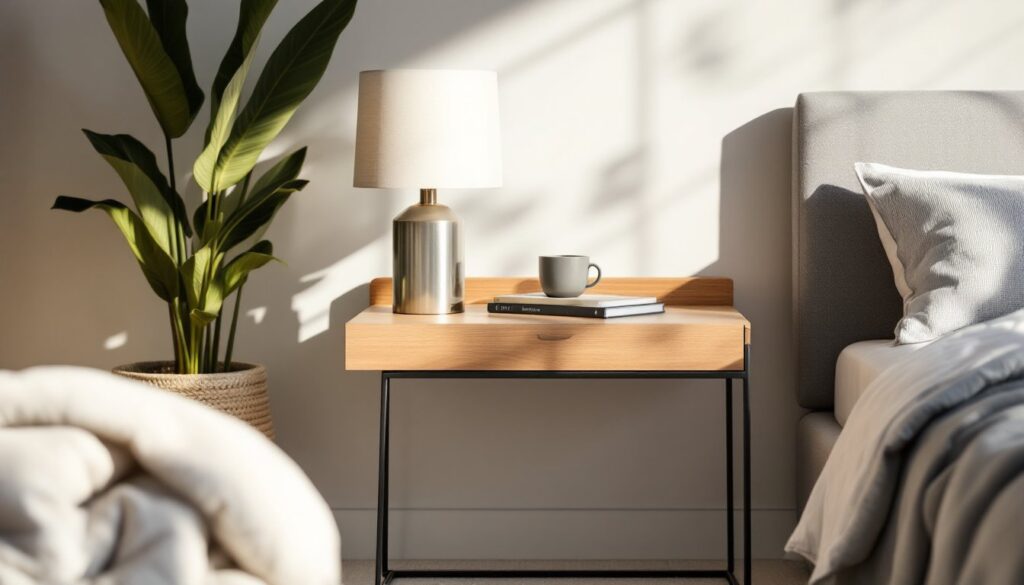
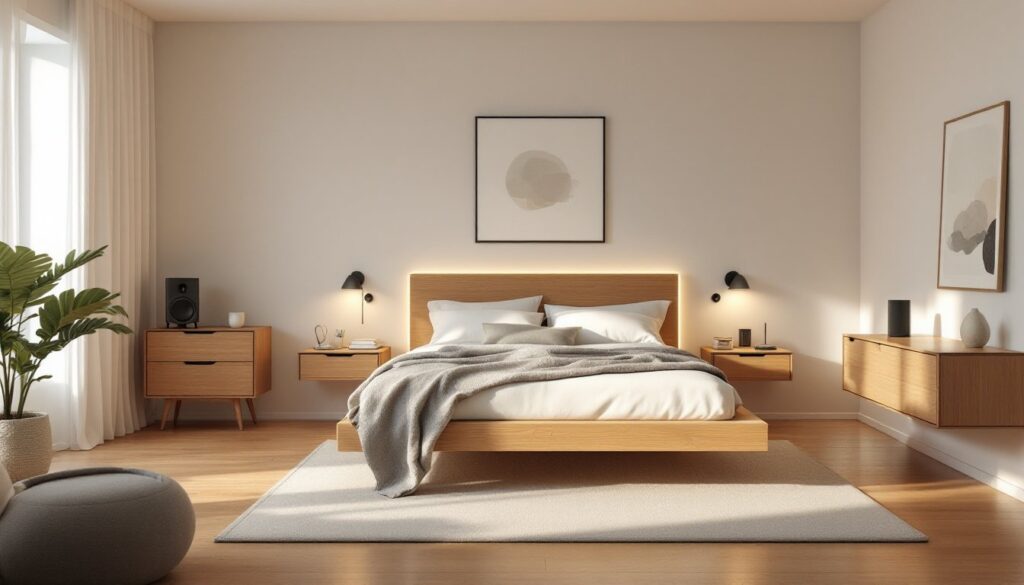
Modern bedrooms prioritize furniture that earns its place through dual function. A platform bed with built-in drawers below provides storage without adding visual bulk. A bench at the foot of the bed holds extra blankets while providing seating. Wall-mounted floating nightstands eliminate the footprint of traditional bedside tables while keeping surfaces clear.
Measure your room before shopping, standard bedroom furniture is sized for average spaces, and forcing oversized pieces into tight layouts makes everything feel cramped. A queen bed in a 10-by-12-foot room leaves little maneuvering space: a twin or full might be more appropriate. Similarly, a dresser that extends floor-to-ceiling is impractical: aim for pieces that stay proportionally grounded.
Mid-century modern interior trends emphasize furniture with exposed legs, which visually lightens a room because you can see floor underneath. A bed frame elevated 12 inches or more from the floor, paired with compact nightstands and a sleek dresser, creates an open, airy feel even in smaller bedrooms.
Storage is critical. Built-in closet organizers with vertical dividers make clothing storage more efficient than a full dresser might. Over-the-door hooks, wall shelves above the dresser, and under-bed storage containers consolidate items without requiring additional furniture. The rule: if it doesn’t fit your room’s footprint comfortably, it doesn’t belong there.
Lighting Layers for Ambiance and Efficiency
Modern bedrooms use three lighting layers: ambient (overall room brightness), task (bedside reading, dressing), and accent (mood or accent lighting). A single overhead fixture doesn’t cut it, you need control and flexibility.
Ambient lighting can be ceiling-mounted or a combination of wall sconces flanking the bed. Dimmable bulbs (LED or incandescent-style compatible) allow you to adjust brightness as evening approaches, which signals your body to produce melatonin. Avoid cool-white (5000K+) overhead lights in the evening: warmer tones (2700K) are kinder to your circadian rhythm.
Task lighting beside the bed should be focused without glare. A traditional swing-arm wall-mounted lamp on each side of the bed saves nightstand space and eliminates the need for lamps. If you use table lamps, choose designs with fabric shades that diffuse light evenly. The light should illuminate your book or device without shining across the room or disturbing a sleeping partner.
Accent lighting might be LED strip lighting behind a headboard (set to warm white or even dimmable color-changing), or small spotlights highlighting artwork. Keep it subtle, the goal is layered control, not disco effects. Smart bulbs let you set schedules and adjust color temperature via phone, supporting both evening wind-down and morning alertness.
Sustainable Materials and Eco-Friendly Choices
Sustainable bedroom design uses materials with lower environmental impact across their lifecycle. Solid wood furniture, real hardwood, not plywood veneers, lasts decades and can be refinished rather than discarded. Reclaimed or salvaged wood has character and eliminates new-harvest impact. Look for certifications like FSC (Forest Stewardship Council) when buying new wood pieces.
Bedding matters significantly. Organic cotton has no synthetic pesticides, uses less water than conventional cotton, and feels as soft but costs only slightly more. Linen is durable, improves with age, and requires minimal chemicals in production. Wool is naturally temperature-regulating and antimicrobial, a wool blanket lasts years. Avoid polyester microfiber if possible: it sheds microplastics and breaks down poorly.
Paint and finishes impact air quality. Low-VOC (volatile organic compound) paints release fewer harmful chemicals than conventional options. Interior paints from major brands now offer low-VOC options at similar prices, so there’s no cost trade-off. Stains and sealers also come in low-VOC formulations.
Flooring choices matter too. Solid hardwood or bamboo (bamboo grows faster and regenerates) beats vinyl or laminate from an environmental standpoint. A natural fiber area rug, jute, sisal, or wool, replaces synthetic carpet. These materials age visibly but age well, patina developing with use rather than things simply wearing out.
Tech Integration and Smart Bedroom Features
Smart bedroom technology integrates seamlessly when it solves actual problems rather than adding complexity. Smart lighting that adjusts color temperature automatically throughout the day supports your natural sleep-wake cycle without requiring manual adjustment. A smart thermostat maintains optimal sleep temperature (around 65–68°F for most people) and can learn your schedule.
Design-wise, hide technology thoughtfully. Nightstands with USB ports built into the rail mean charging cables don’t dangle visibly. Wall-mounted tablet holders or hidden shelving for speakers keep devices functional but out of sight. Wireless charging pads embedded in nightstands eliminate cord clutter.
Sleep tracking via wearable devices or under-mattress sensors provides data on sleep quality, but only carry out this if you’re genuinely interested in the insights. For most people, consistent sleep schedule and a comfortable environment matter more than granular data. A simple smart alarm that mimics sunrise helps you wake more naturally than jarring beeping.
Audio matters. A small, high-quality Bluetooth speaker hidden on a shelf plays white noise, rain sounds, or your favorite music for winding down. Keep volume moderate and position the speaker so sound distributes evenly rather than playing directly at your head from the nightstand. Smart home systems now, simplifying management without requiring visible hardware.
Conclusion
Modern bedroom design in 2026 prioritizes function alongside aesthetics, thoughtful furniture choices, layered lighting, restful color palettes, and intentional technology create spaces that genuinely support better sleep and relaxation. Start with one or two changes: switch to quality bedding in a calm color, install dimmable bedside lighting, or declutter by removing furniture that doesn’t serve you. These foundational moves create immediate impact. Platforms like Homedit showcase how real rooms carry out these principles, and Homify offers visual inspiration across styles and budgets. Your bedroom should feel like a retreat, not a showroom, prioritize comfort and function, and the design follows naturally.