
Your bedroom should be a sanctuary, a place where you actually want to spend time, not just collapse at the end of the day. Modern bedroom design ideas have evolved far beyond matching furniture sets and generic wall colors. Today’s approach focuses on functionality, calm aesthetics, and personal comfort. Whether you’re starting from scratch or refreshing an existing space, understanding current design trends helps you create a room that genuinely supports better rest. This guide walks you through the key strategies shaping modern bedroom decor ideas in 2026, from color psychology to smart lighting and sustainable materials.
Table of Contents
ToggleKey Takeaways
- Modern bedroom design ideas prioritize functionality and calm aesthetics through color psychology—use warm neutrals or desaturated cool tones like dusty sage and soft slate blue to promote rest and lower stress.
- Minimalist furniture layouts with strategic placement create psychological openness; a 2–3 foot clear floor path around the bed prevents cramped feelings and supports better sleep quality.
- Implement layered lighting design with ambient, task, and accent lighting, using warm white (2700K) bulbs in the evening to support natural melatonin production and circadian rhythm.
- Invest in sustainable materials like FSC-certified solid wood, natural latex mattresses, and organic cotton bedding, which improve air quality and provide better long-term value than disposable alternatives.
- Layer textiles purposefully with quality bedding and area rugs to add warmth and acoustic comfort without clutter; focus on functional pieces like 2–4 pillows and natural fiber rugs.
Color Palettes That Promote Rest and Relaxation
Color choice matters more than most people realize when designing a restful bedroom. Warm neutrals, soft whites, warm grays, and gentle beiges, remain the foundation of modern bedroom design ideas because they create visual calm without feeling sterile. Think of these as your base layer, not a limitation.
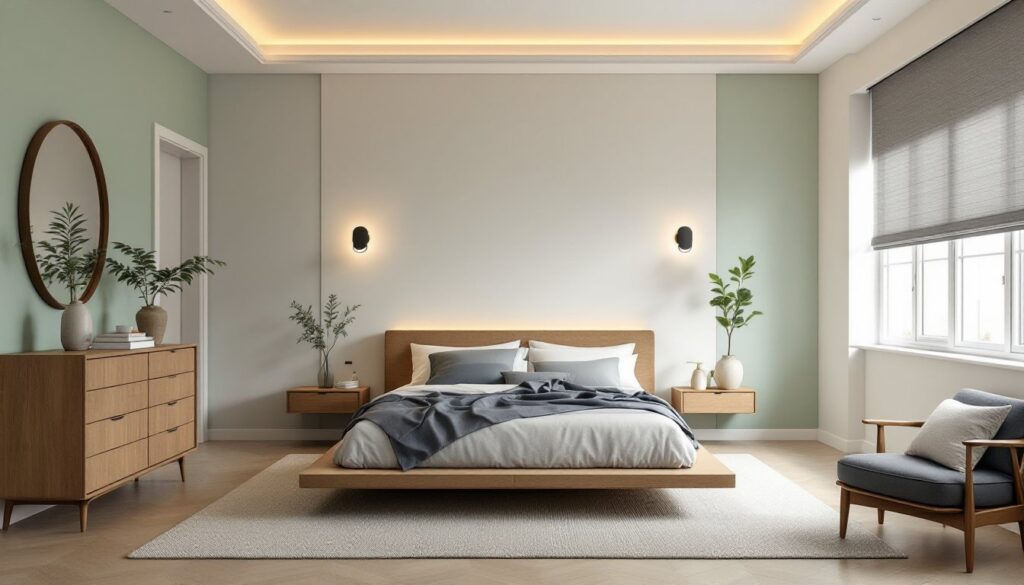
Beyond neutrals, cooler tones like dusty sage green, soft slate blue, and muted taupe are having a significant moment. These colors reduce visual stimulation and align with how our brains wind down. Paint manufacturers have noticed: brands now offer “sleep-focused” lines specifically formulated in colors that research suggests lower cortisol levels.
The key is saturation. A deep, saturated color can energize: a muted, desaturated version of the same hue relaxes. If you’re committed to accent colors, a feature wall or bold headboard, keep them to about 20% of the visible space. This maintains visual interest without overstimulating before bed.
When selecting paint, plan for at least two coats and account for how different lighting (natural during day, artificial at night) affects perception. Buy sample quarts and paint 2×2-foot sections on different walls. Live with the color for a few days before committing.
Minimalist Furniture Layouts for Spacious Comfort
Minimalist modern bedroom interior design isn’t about having nothing, it’s about having only what serves a purpose and brings comfort. A cluttered bedroom triggers low-level stress even when you’re not consciously aware of it. Strategic furniture placement maximizes both function and the sense of openness.
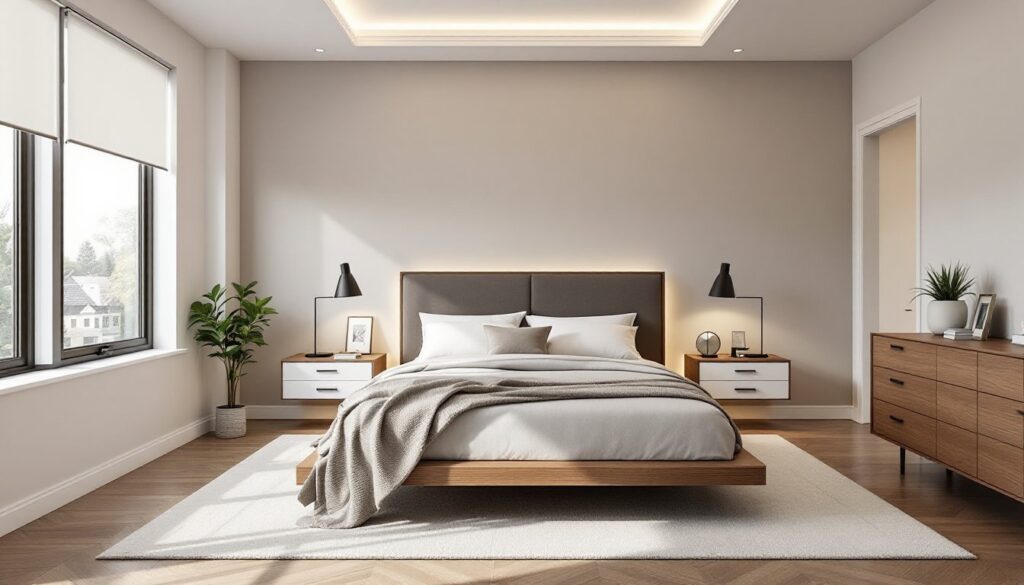
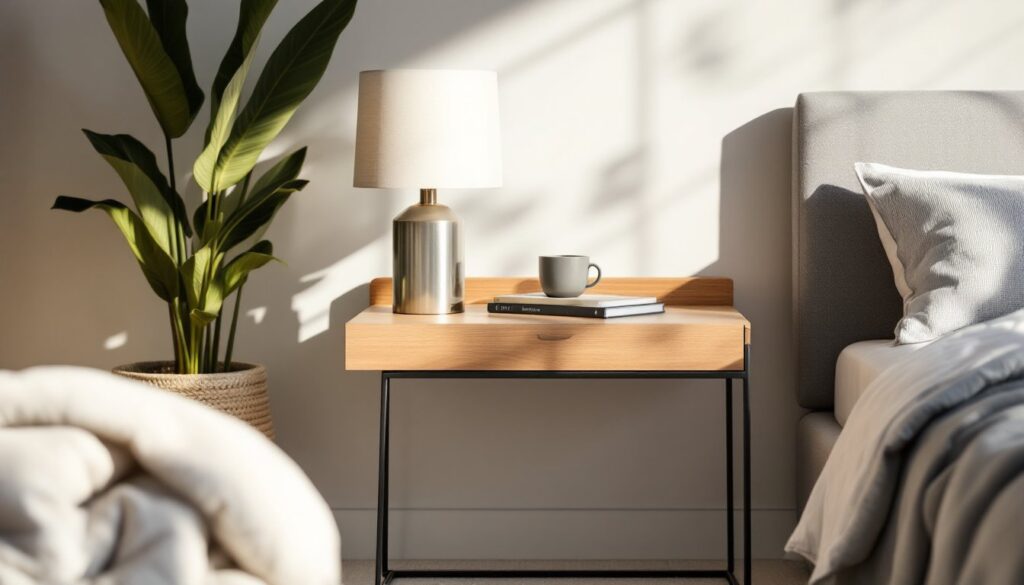
Start with the bed: it should anchor the room visually and functionally, but shouldn’t overwhelm the space. Platform beds (typically 12–14 inches high) feel lighter than traditional frame-and-box-spring setups because they have less negative space underneath. Pair a platform bed with a simple nightstand, one on each side if the room allows, or a floating shelf if space is tight.
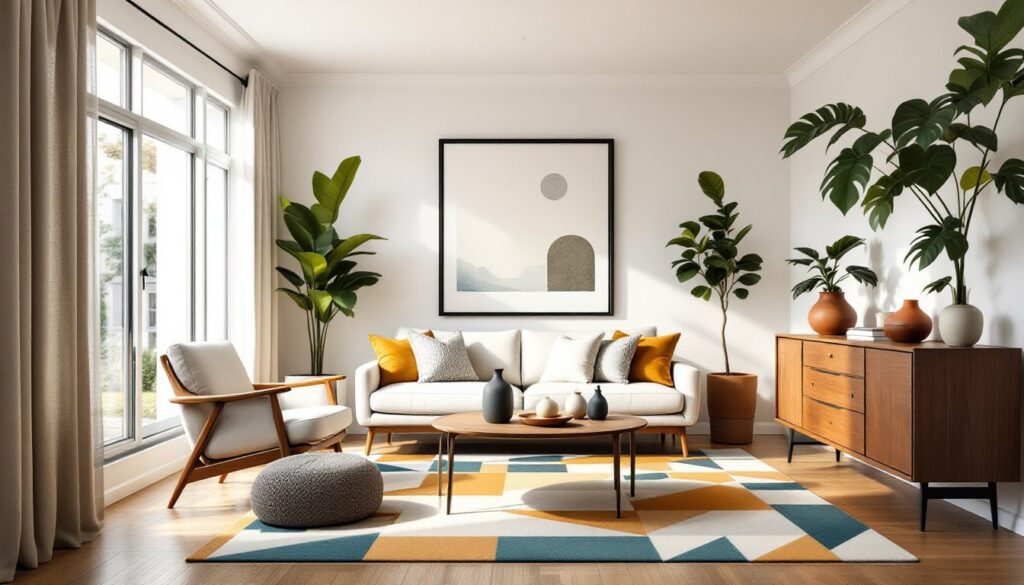
Storage is essential but should be hidden. Low-profile dressers or built-in closet solutions keep visual clutter down. Resist the urge to fill every surface: a single, well-chosen piece of furniture (a statement chair or bench) adds character without chaos. Mid century modern interior design principles emphasize clean lines and functional beauty, every piece should earn its place.
Floor space matters psychologically. Even in a small bedroom, aim for at least a 2–3 foot path of clear floor around the bed and to the closet or exit. This prevents the trapped feeling that cramped layouts create. If you must keep furniture minimal due to square footage, consider a low profile throughout: lower nightstands, lower dressers, lower headboards.
Smart Lighting Solutions for Ambiance and Function
Lighting design transforms a bedroom from ordinary to genuinely restful. Most modern bedrooms fail here because they rely on a single overhead fixture, harsh, unflattering, and the opposite of relaxing. Smart lighting systems let you adjust color temperature and brightness, simulating natural light patterns that keep your circadian rhythm intact.
Layered Lighting Design
Professional designers use three layers: ambient (overall light), task (focused light for reading or dressing), and accent (decorative light for mood). Ambient lighting might come from a dimmed ceiling fixture or wall-mounted sconces on either side of the bed. Task lighting could be adjustable reading lights mounted to the headboard or wall. Accent lighting, think a soft LED strip behind floating shelves or under a floating platform, adds warmth without practical purpose, which is sometimes exactly what a space needs.
Color temperature matters. Warm white (2700K) light in the evening tells your brain to produce melatonin: cool white (5000K) light suppresses it. Many smart bulbs let you schedule transitions, gradually shifting toward warm tones in the evening. This isn’t luxury, it’s applied biology.
Physical dimmer switches are underrated. They’re inexpensive ($15–30 for a quality model) and don’t require app management. Pair them with quality bulbs (avoid the cheapest LEDs, which can flicker or have poor color rendering). Modern bedroom decor ideas increasingly incorporate both smart and manual control for maximum flexibility without overthinking.
Sustainable Materials and Eco-Friendly Choices
Sustainable bedroom design is no longer niche: it’s becoming standard as homeowners recognize that better-quality, ethically sourced materials often cost less over time. A solid wood dresser or bed frame built to last 20 years beats disposable alternatives that fail in five.
Focus on materials with real performance: solid wood (FSC-certified if possible), natural latex mattresses, and organic cotton bedding. These don’t off-gas harmful chemicals and improve air quality, a genuine health benefit, not marketing hype. A quality mattress costs more upfront but supports better sleep and lasts longer.
Floor treatments matter too. Sustainably harvested hardwood or bamboo (which regrows faster than traditional timber) look cleaner than synthetic laminate and perform better over decades. If budget is tight, opt for wool rugs in natural fibers rather than synthetic blends. Wool is naturally fire-resistant, antimicrobial, and degrades safely. Research house and interior design ideas on Homify to see how other homeowners balance aesthetics with material integrity in their modern bedroom interior designs.
Recycled or reclaimed finishes align with current design trends and support circular economy principles. A vintage dresser refinished with non-toxic stain fits modern bedroom aesthetic perfectly and reduces waste. Don’t conflate sustainability with “rustic”, sleek, contemporary pieces can be made from reclaimed wood or recycled materials.
Textiles and Soft Furnishings for Warmth
Hard surfaces, wood floors, painted walls, glass nightstands, reflect sound and feel cold. Textiles absorb sound, regulate temperature, and add tactile comfort. Modern bedroom design balances minimalism with enough soft elements to feel inviting.
Bedding quality directly affects sleep quality. Thread count marketing is oversold (beyond 600, you’re mostly paying for marketing), but weave matters. Sateen weaves feel smoother: twill weaves are more durable. Egyptian cotton, Pima cotton, or linen blends offer real performance differences. Aim for sheets that breathe but retain warmth.
Layer textiles purposefully: a quality fitted sheet, flat sheet or duvet cover (depending on preference), and a lightweight quilt or throw blanket. Avoid the “ten pillows” Instagram aesthetic, stick to functional pillows (two to four depending on bed width) and skip decorative ones that you’d remove every night anyway. One or two throw blankets folded on a bench or chair add visual warmth without clutter.
Area rugs define the sleeping zone psychologically and provide acoustic dampening. A 5×8-foot rug under and slightly beyond the foot of the bed grounds the furniture arrangement. Choose natural fibers when possible: synthetic rugs trap dust and off-gas over time. Window treatments, blackout curtains or cellular shades, serve the double purpose of temperature regulation and sleep support. Look for modern bedroom design ideas that showcase textural variety to understand how professional designers layer soft furnishings without excess.
Conclusion
Modern bedroom design in 2026 prioritizes rest, clarity, and honest material choices over trends that fade. You don’t need to carry out all these ideas at once. Start with color and layout, add layered lighting, then upgrade textiles and materials over time. A well-designed bedroom compounds in value, you’ll spend roughly a third of your life there, making it perhaps the highest-ROI renovation space in your home. Visit Homedit’s design collections for inspiration as you develop your personal modern bedroom aesthetic. Good sleep starts with a good space.