
Walk into a furniture showroom and you’ll hear “modern” and “contemporary” tossed around like they’re interchangeable. They’re not. One is a defined historical period with rigid rules: the other shifts with every decade. Confusing them can derail a renovation before you’ve even picked paint colors. For homeowners planning a room refresh or full-scale remodel, understanding the difference isn’t academic, it’s the foundation for consistent design choices, from baseboard profiles to hardware finishes. This guide breaks down the specific characteristics of each style, compares them side-by-side, and gives you a framework for deciding which approach fits your space and how you actually live in it.
Table of Contents
ToggleKey Takeaways
- Modern interior design is a fixed historical aesthetic from the 1920s–1950s emphasizing clean lines, natural materials, and minimal ornamentation, while contemporary design is fluid and reflects current trends with more flexibility in shapes and finishes.
- Modern design requires visible structure, restrained color palettes of warm neutrals with primary accents, and honest material use, whereas contemporary design allows mixed materials, cooler tones, and layered textures for a softer aesthetic.
- Match your style choice to your home’s architecture—modern suits mid-century homes with original details, and contemporary works better in newer construction or neutral spaces.
- Contemporary design dates faster than modern (e.g., 2010 trends now look stale), so reserve trendy choices for paint and textiles you can easily swap rather than structural fixtures.
- Both modern and contemporary design allow borrowing elements from each other, but maintaining consistency within a room is essential to avoid a disjointed appearance.
- Consider your lifestyle and maintenance tolerance—modern demands discipline and hides clutter poorly, while contemporary’s performance fabrics and mixed materials are more forgiving for families with kids and pets.
What Is Modern Interior Design?
Modern interior design refers to a specific aesthetic rooted in the early-to-mid-20th century, roughly from the 1920s through the 1950s. It’s tied to the Modernist movement in architecture and art, championed by designers like Le Corbusier, Mies van der Rohe, and Charles and Ray Eames. This isn’t a style that evolves, it’s a historical period with defined characteristics.
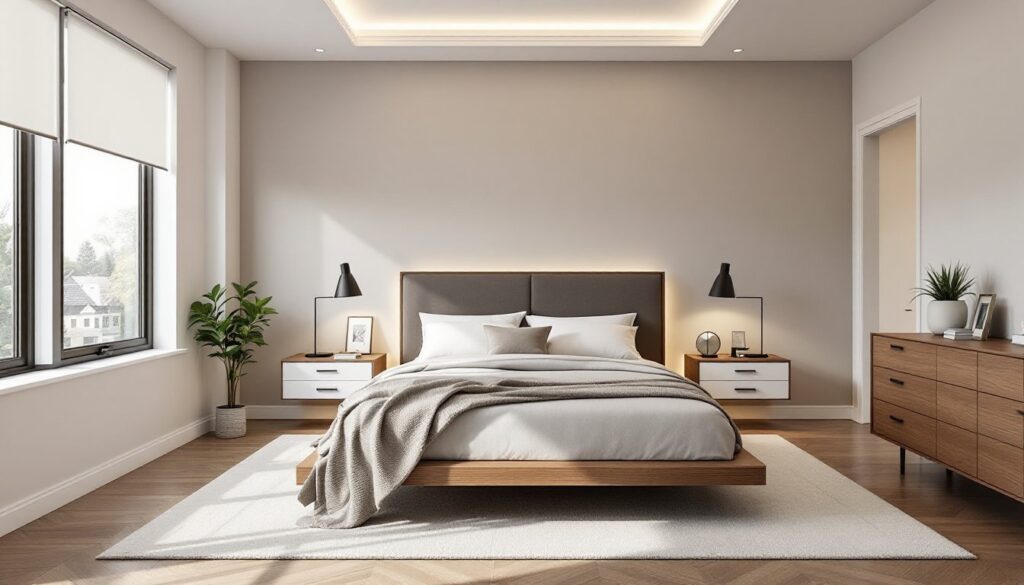
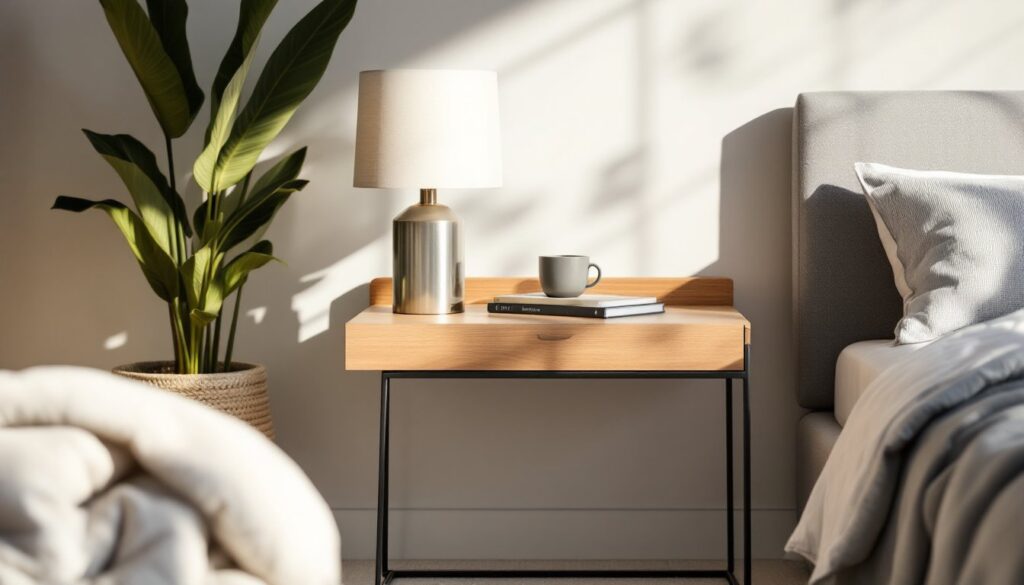
The hallmarks are clean lines, minimal ornamentation, and an emphasis on function. Think flat or low-profile furniture with exposed legs (often tapered wood or steel), open floor plans, and large expanses of glass. Materials are natural but used plainly: wood in its natural tone (walnut, teak, oak), steel, leather, and linen. No distressing, no applied trim.
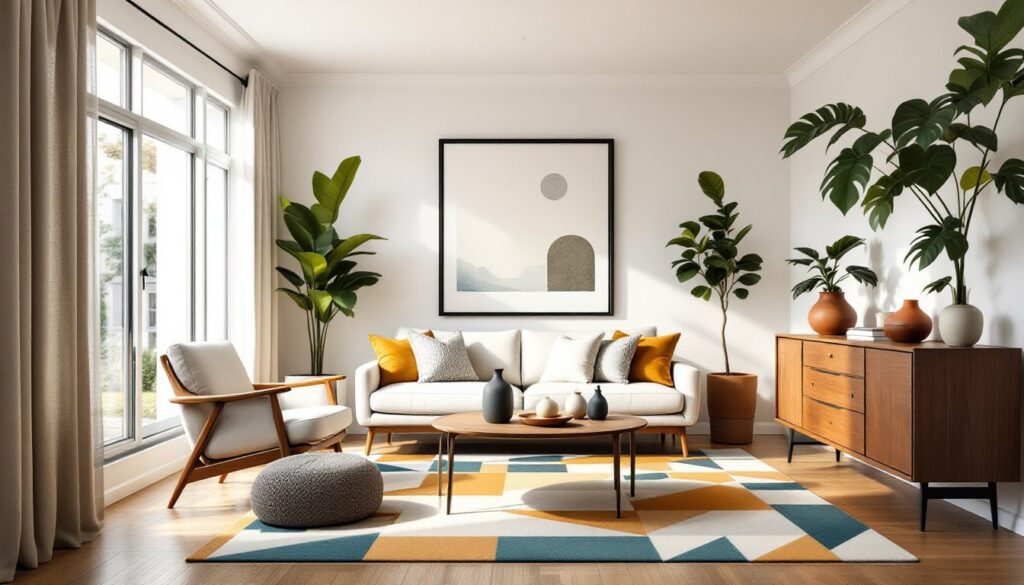
Color palettes are restrained: earthy neutrals (beige, brown, cream) paired with primary accent colors (red, blue, yellow). Walls are often white or off-white to highlight the architecture and furnishings. You won’t see busy patterns, if there’s decoration, it’s geometric or abstract.
Modern design also prizes honesty in materials. A steel beam isn’t hidden behind drywall: a wood joist might be left exposed. This is where the style intersects with mid-century modern, a subset that emphasizes post-WWII American and Scandinavian design. If you’re sourcing materials, look for nominal hardwood dimensions (a 1×4 is actually ¾” x 3½”) and avoid veneers that mimic the look, go for the real thing.
In practical terms, executing modern design in a home means stripping away crown molding, baseboards taller than 3–4 inches, and any ornamental trim. Install flush-mount or geometric pendant lighting. Choose furniture with visible structure, no skirted sofas or overstuffed arms. It’s a style that requires restraint and a willingness to let negative space do the work.
What Is Contemporary Interior Design?
Contemporary interior design means “of the moment.” It’s not a fixed period, it’s whatever is current in design trends, which means it shifts every decade. What was contemporary in 2000 (heavy textures, dark wood, ornate details) looks dated now. Today’s contemporary leans toward minimalism, but with warmth and texture.
Current contemporary design features neutral bases with bold accent moments: think soft grays, taupes, and whites punctuated by a single jewel-tone wall or statement light fixture. Unlike modern design’s strict geometry, contemporary allows for curves and organic shapes, rounded sofas, oval mirrors, arched doorways. Furniture sits lower and softer, often upholstered in performance fabrics like bouclé or velvet.
Materials mix freely: you might see matte black steel combined with natural oak, marble countertops next to concrete floors, or a jute rug under a glass coffee table. There’s less reverence for “honesty”, a laminate that looks good is acceptable if it serves the design. Contemporary spaces embrace technology integration, too, hidden charging stations, smart lighting controls, and flush-mounted speakers.
Open floor plans remain popular, but contemporary design often adds definition through level changes, partial walls, or ceiling treatments (coffered ceilings, tray details). Trim is minimal but present, think 3½” baseboards in a simple profile, not the ornate Victorian stuff, but not entirely absent like in strict modern design.
One caution: contemporary design can date quickly. What feels fresh now might look tired in five years. If you’re doing structural work, moving walls, upgrading electrical (which requires an NEC-compliant panel and often a permit), make those decisions based on function, not trend. Reserve the trendy choices for paint, textiles, and accessories you can swap out without a reciprocating saw.
Key Differences Between Modern and Contemporary Design
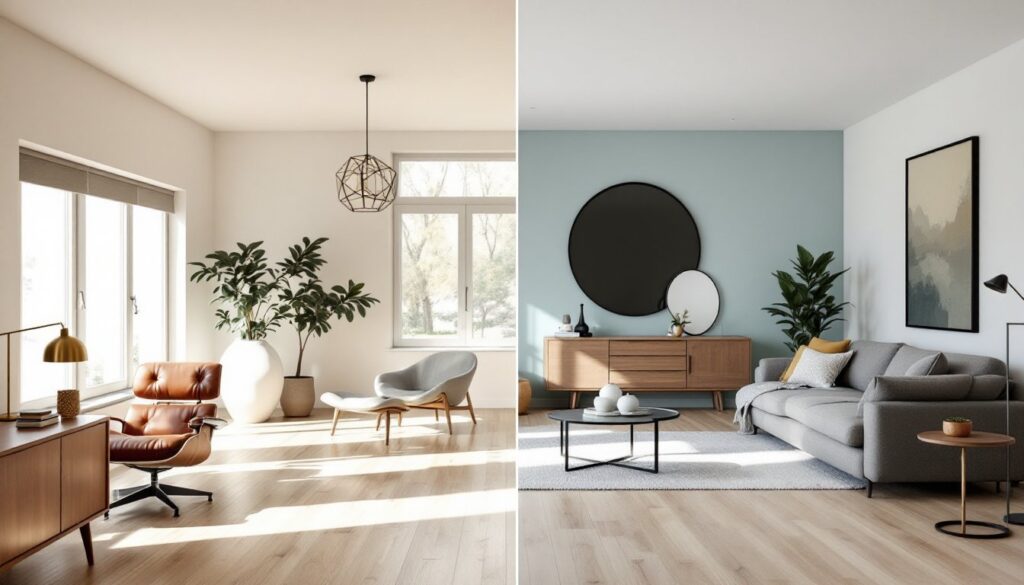
The core distinction: modern is historical: contemporary is current. But the practical differences show up in every material and finish decision you’ll make during a renovation.
Color Palettes and Materials
Modern design sticks to warm, earthy neutrals with primary accent colors. You’ll see a lot of walnut, teak, leather in caramel or cognac tones, and textiles in natural fibers, linen, wool, cotton. Metals are warm-toned brass or brushed steel. If you’re painting, expect to buy a lot of warm whites and taupes. Benjamin Moore’s “White Dove” or Sherwin-Williams’ “Accessible Beige” fit the bill. One gallon of quality paint covers about 350–400 square feet with proper prep.
Contemporary design shifts cooler: grays, soft whites, blacks, often paired with a single bold color or metallic accent. Materials can be mixed more freely, you might combine reclaimed wood (actual dimensions vary, but expect ¾” thickness for reclaimed flooring) with polished concrete or high-gloss lacquer finishes. Metals trend toward matte black, brushed nickel, or even mixed metallics in the same space. Many contemporary interiors featured on modern home decor platforms emphasize layered textures over strict material rules.
For flooring, modern prefers natural hardwood in medium-to-dark tones (3¼” strip oak is classic) or cork. Contemporary is more flexible: you’ll see wide-plank engineered wood, luxury vinyl plank (LVP), polished concrete, or even large-format tile. If you’re installing LVP, ensure the subfloor is flat within 3/16″ over 10 feet, more than that and you’ll need self-leveling underlayment.
Furniture Styles and Functionality
Modern furniture is defined by its structure. Legs are visible and often tapered: arms are thin or absent: upholstery is tight and tailored. A modern sofa might have a teak frame with leather cushions and no skirt. Chairs are often molded plastic or plywood (think Eames shell chairs) or simple wood frames with minimal padding. Storage is built-in and unobtrusive, think floor-to-ceiling bookcases in the same finish as the walls.
Contemporary furniture is softer and often larger in scale. You’ll see deep, low-profile sectionals, oversized ottomans, and rounded edges. Upholstery is plush, velvet, bouclé, performance linen, and often in a single bold color. Legs might be hidden entirely beneath the frame, or made of contrasting materials like acrylic or matte black metal. Storage tends to be freestanding and statement-making: a sculptural credenza, a minimalist media console with integrated cable management.
Functionality differs, too. Modern design assumes less stuff, fewer electronics, fewer books, fewer decorative objects. Contemporary design acknowledges the reality of modern life: charging cables, remotes, routers, and the need to hide them. If you’re building custom cabinetry, modern calls for simple flush-front doors with integrated pulls. Contemporary might use handleless push-latch systems or contrasting metal pulls. For drawer boxes, use ½” plywood with dovetail or dado joints for both styles: the difference is in the face and hardware.
How to Choose the Right Style for Your Home
Start with your home’s architecture. If you have a mid-century ranch with post-and-beam construction, exposed rafters, and original clerestory windows, modern design is the obvious choice. Fighting the bones of your house is expensive and usually looks forced. Contemporary design works better in newer construction or homes with neutral architecture, standard drywall boxes with minimal existing detail.
Consider your lifestyle honestly. Modern design requires discipline. It doesn’t hide clutter, and it doesn’t forgive a pile of mail on the console table. If you have kids, pets, or a realistic amount of stuff, contemporary’s slightly softer approach might be more forgiving. Performance fabrics and durable finishes (like pre-catalyzed lacquer on cabinetry) are easier to maintain than natural leather and oiled wood.
Budget plays a role, too. True modern design often requires custom millwork and high-quality natural materials, which aren’t cheap. A solid walnut credenza isn’t something you pick up at a big-box store. Contemporary design allows for more flexibility, you can mix affordable pieces (IKEA cabinets with upgraded fronts) with a few statement items. If you’re refinishing floors, expect $3–$8 per square foot for labor, depending on your region and the condition of the existing wood.
Think about longevity. Modern design, because it’s tied to a historical period, doesn’t date the way contemporary can. A home decorated in 1955 modern still looks cohesive today. Contemporary design from 2010, with its gray-and-yellow color schemes and chevron patterns, already feels stale. If you’re investing in permanent fixtures (tile, cabinetry, built-ins), lean toward timeless choices inspired by modern principles. Resources like Dwell often showcase how modern design principles adapt to current needs without sacrificing longevity.
Finally, don’t feel locked in. You can borrow elements from both. A modern furniture layout with contemporary lighting and textiles is perfectly valid. The key is consistency within a room, don’t mix a tufted contemporary sectional with Eames lounge chairs and a shag rug. Pick a direction and commit to it for that space. And if you’re doing structural work, removing walls, upgrading HVAC, relocating plumbing, consult a licensed professional and pull permits. Neither style is worth a failed inspection or a callback from code enforcement.
Conclusion
Modern and contemporary aren’t synonyms, they’re distinct approaches rooted in different philosophies and timelines. Modern is a historical period defined by clean lines, natural materials, and restraint. Contemporary is fluid, reflecting current trends with more flexibility in materials and forms. Your choice depends on your home’s architecture, how you live, and what you’re willing to maintain. For more inspiration on applying these principles, check out the work featured on Design Milk for a closer look at both styles in action. Choose based on structure, not just aesthetics, and you’ll end up with a space that functions as well as it looks.