
Neutral color schemes form the backbone of <a href="https://mintterrace.com/interior-design-principles/”>interior design that stands the test of time. Unlike trend-driven palettes that feel dated after a few years, neutrals provide flexibility, sophistication, and a calm backdrop that works with nearly any décor style. Whether tackling a whole-house refresh or updating a single room, understanding how to select, layer, and balance neutral tones makes the difference between a flat, lifeless space and one that feels polished and intentional. This guide walks through the practical decisions, from choosing the right paint sheen to layering textures, that turn neutrals from boring to beautiful.
Table of Contents
ToggleKey Takeaways
- A neutral color scheme provides timeless appeal and flexibility, allowing you to rotate décor seasonally without costly repaints while increasing resale value.
- Understanding undertones—whether paint carries warm or cool undertones—is essential to prevent mismatched finishes between walls, flooring, cabinetry, and trim.
- Apply the 60-30-10 layering rule (60% dominant neutral, 30% secondary neutral, 10% accent) combined with varied textures and values to prevent neutral spaces from looking flat and one-dimensional.
- Each room requires tailored neutral selections based on function and lighting: warm neutrals for bedrooms, grays paired with stainless fixtures in kitchens, and semi-gloss finishes in humidity-prone bathrooms.
- Inject warmth and personality into neutral schemes through natural materials, layered textiles, metallics, and greenery rather than relying on color alone.
- Avoid common neutral color scheme mistakes such as ignoring undertones, using only one shade value, skipping texture, selecting the wrong paint sheen, and overlooking how lighting transforms paint appearance throughout the day.
Why Neutral Color Schemes Never Go Out of Style
Neutral palettes endure because they solve real design problems. They visually expand small rooms, reflect light more evenly than saturated colors, and reduce the need for costly repaints when tastes shift. A well-executed neutral scheme also increases resale value, buyers respond positively to move-in-ready spaces that don’t require immediate updates.
Neutrals create visual cohesion across open-concept floor plans, which is why builders and flippers rely on them. When living, dining, and kitchen areas flow together without walls, using a consistent neutral palette prevents the eye from bouncing between competing colors. This continuity makes spaces feel larger and more intentional.
Another advantage: neutrals act as a backdrop for rotating accent pieces. Swap throw pillows, artwork, or rugs seasonally without repainting walls or replacing furniture. This flexibility appeals to homeowners who want to refresh their space without a full renovation budget.
Finally, neutral schemes simplify decision-making during material selection. Coordinating flooring, cabinetry, countertops, and trim becomes easier when working within a controlled palette. For DIYers managing multiple finishes in a kitchen or bathroom remodel, neutrals reduce the risk of clashing undertones.
Understanding the Core Neutral Color Palette
True neutrals include white, black, gray, beige, and brown, colors without strong chromatic bias. But most paints marketed as “neutral” carry subtle undertones: warm (yellow, red, orange) or cool (blue, green, violet). Recognizing these undertones prevents mismatched finishes.
Whites range from crisp, blue-toned options like Decorator’s White to creamy, yellow-based choices like Swiss Coffee. Test samples on all four walls, north-facing rooms pull cooler, while south-facing spaces amplify warm tones. Paint a 2-foot × 2-foot section and observe it throughout the day before committing to five gallons.
Grays have exploded in popularity but can skew purple, blue, or green depending on lighting. Pair cool grays with stainless appliances and chrome fixtures: warm grays with brass or oil-rubbed bronze. Many popular designers recommend exploring design ideas across various room types to see how gray undertones shift with different finishes.
Beiges and tans include greige (gray-beige hybrids), taupe, and sand tones. These work well in homes with oak or maple flooring, where cooler grays can clash. Beige undertones complement natural stone, travertine tile, and warm-toned wood cabinetry.
Blacks and charcoals serve as grounding accents, window trim, door frames, or fireplace surrounds. Use them sparingly: too much dark color in rooms under 8-foot ceilings can feel oppressive.
How to Layer Neutrals for Depth and Visual Interest
A monochromatic neutral room risks looking flat without deliberate layering. Depth comes from varying shades, textures, and finishes within the same color family.
Start with a 60-30-10 rule: 60% dominant neutral (walls), 30% secondary neutral (upholstery, flooring), and 10% accent neutral (trim, hardware, small décor). For example, pair warm white walls (60%) with a taupe sofa (30%) and charcoal throw pillows (10%).
Texture is critical. Combine matte, satin, and glossy finishes to create contrast. A flat-finish wall paint paired with eggshell trim, a linen sofa, a jute rug, and a polished marble coffee table introduces variety without adding color. Mixing materials, wood, metal, stone, fabric, prevents the room from feeling one-dimensional.
Layering also involves value contrast: the difference between light and dark tones. A room with only mid-tone beiges lacks punch. Add crisp white baseboards (lighter value) and espresso picture frames (darker value) to anchor the space visually.
Don’t skip the ceiling. Painting it a shade lighter than the walls (or opting for bright white) reflects more light and increases perceived ceiling height. In rooms with crown molding, consider a slightly darker wall color to make architectural details pop.
Choosing the Right Neutral Colors for Each Room
Room function, lighting, and existing finishes dictate neutral color selection.
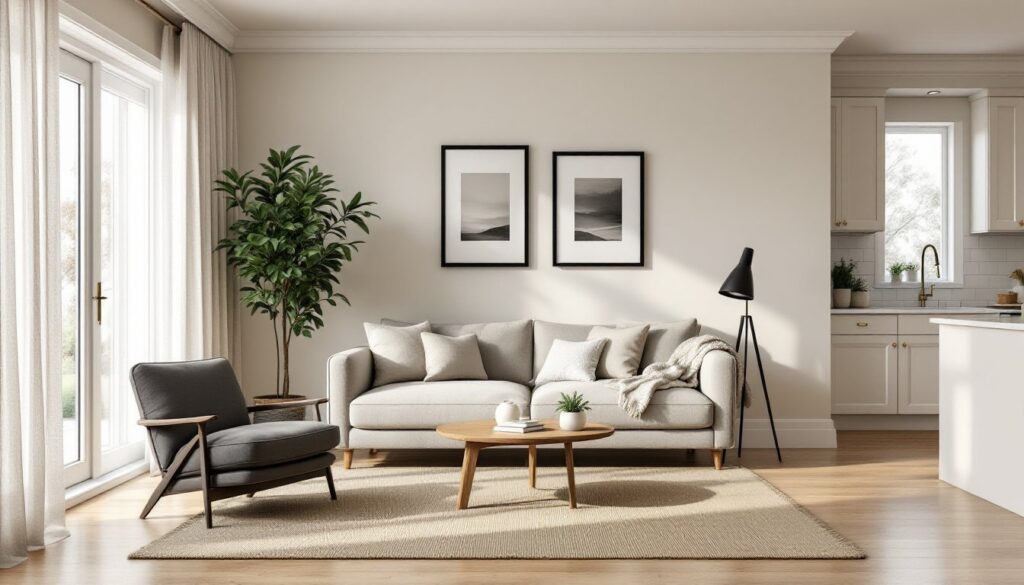
Living rooms and open areas: Opt for versatile mid-tone neutrals that transition well between spaces. Greige or soft taupe works with most furniture styles. If the room has hardwood floors, match undertones, honey oak pairs with warm beiges, while gray-washed floors suit cooler neutrals.
Kitchens: White or off-white cabinets remain popular for resale, but greige or gray cabinetry is trending for homeowners keeping long-term. Pair cabinet color with countertop material, white quartz or marble complements both warm and cool neutrals, while beige granite skews warmer. Backsplash tile should tie wall and counter tones together. Many interior design resources showcase how different cabinet finishes interact with neutral wall colors in real kitchens.
Bathrooms: Humidity and artificial lighting affect color perception. Cool grays can feel sterile under fluorescent vanity lights: warmer beiges or soft whites feel more inviting. Use semi-gloss or satin paint (not flat) for moisture resistance and easier cleaning.
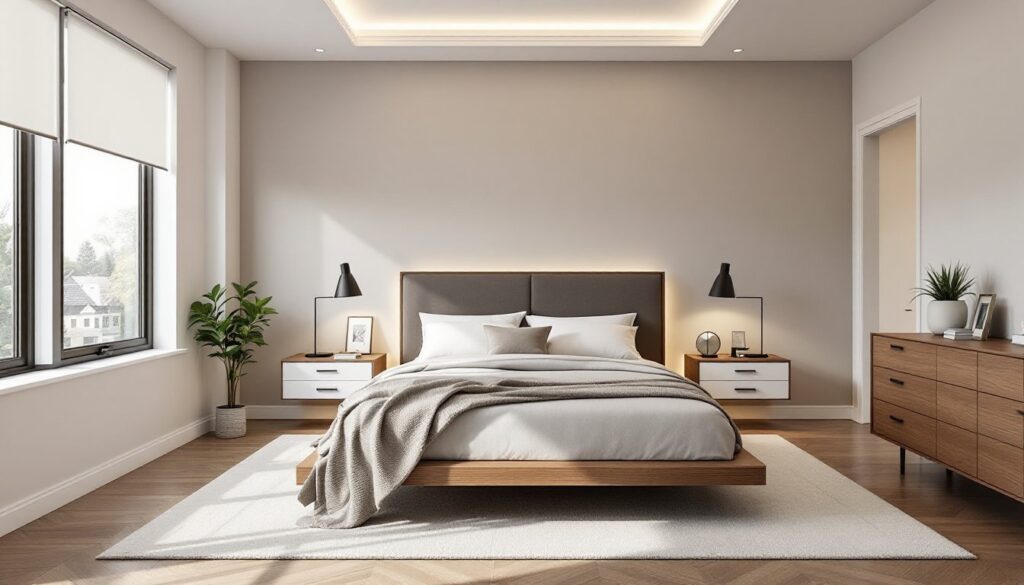
Bedrooms: Lean toward softer, warmer neutrals to create a restful atmosphere. Avoid stark whites or cool grays, which can feel clinical. Layering cream walls with linen bedding and a wool rug in varying shades of beige adds warmth without bold color.
Home offices: Medium to light neutrals reduce eye strain and keep the focus on work. Pair a neutral wall with wood or laminate desktop surfaces and black or charcoal task chairs for contrast.
Adding Warmth and Personality to Neutral Spaces
Neutral doesn’t mean boring, but it requires intentional choices to avoid a builder-grade blandness.
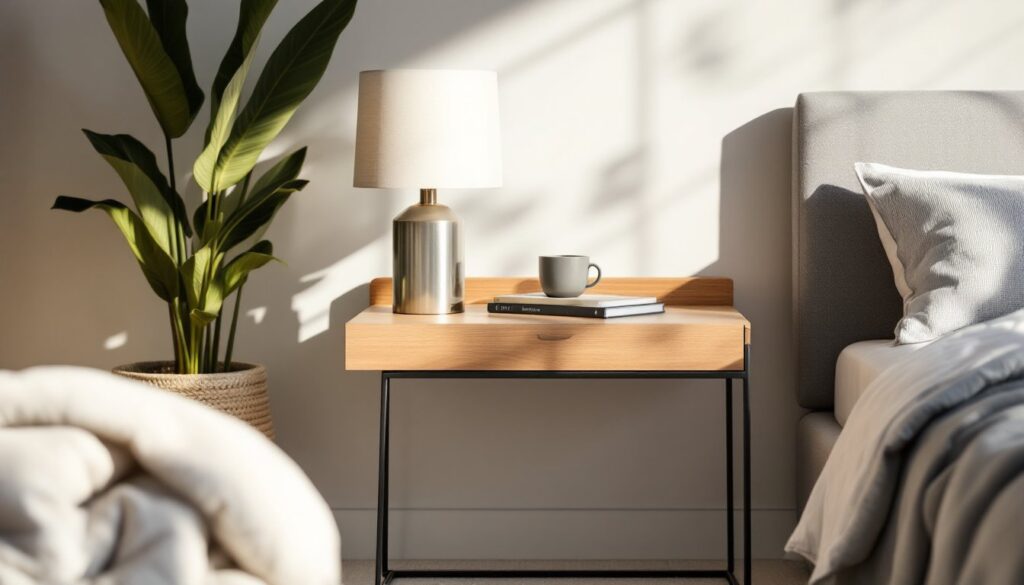
Natural materials inject warmth instantly. Reclaimed wood shelving, woven baskets, rattan chairs, and live-edge tables add organic texture. In kitchens, butcher-block countertops or open wood shelving soften all-white cabinetry.
Layered textiles bring softness and depth. Combine a chunky knit throw, velvet pillows, a sheepskin rug, and linen curtains in complementary neutral shades. Vary pile heights and weaves, smooth cotton, nubby bouclé, plush wool, to create tactile interest.
Metallics function as neutrals and add subtle shimmer. Brass or gold-toned fixtures warm up cool grays: brushed nickel or chrome complements cooler palettes. Mix metals sparingly, limit to two finishes per room to avoid visual clutter.
Art and accessories introduce personality without permanent commitment. Black-and-white photography, charcoal sketches, or sepia-toned prints reinforce a neutral palette while adding visual focal points. Sculptural ceramics, wooden bowls, and stone objects contribute form and texture.
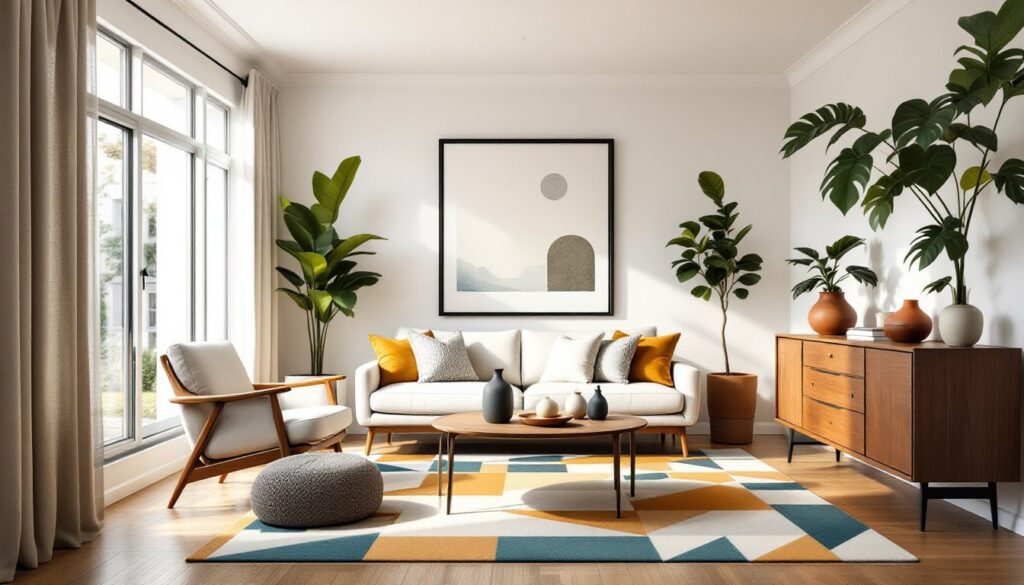
For those looking to push boundaries while staying neutral, designers often incorporate patterns and subtle contrast through textiles and accent pieces.
Greenery counts as a neutral accent. Potted plants, eucalyptus branches, or a fiddle-leaf fig add life and improve air quality. Terracotta or ceramic planters in earth tones reinforce the natural palette.
Common Neutral Color Scheme Mistakes to Avoid
Even experienced DIYers stumble with neutrals. Here’s what to watch for.
Ignoring undertones: The biggest mistake is choosing neutrals without considering existing finishes. A cool gray wall clashes with warm oak trim. Before buying paint, hold samples next to flooring, cabinetry, and fixed tile. Undertones should harmonize, not fight.
Using only one value: A room painted entirely in mid-tone beige with matching furniture feels flat. Introduce contrast with lighter and darker elements, white trim, dark wood furniture, or black hardware.
Skipping texture: Smooth walls, smooth furniture, and smooth floors create a lifeless space. Mix rough (jute, sisal), soft (wool, linen), hard (wood, metal), and reflective (glass, polished stone) surfaces.
Choosing the wrong paint sheen: Flat paint hides imperfections but shows scuffs and can’t be scrubbed. Use eggshell or satin on walls for durability, semi-gloss on trim and doors for contrast and cleanability, and flat or matte only on ceilings or low-traffic accent walls.
Overlooking lighting: Paint samples look different under LED, incandescent, and natural light. Test colors in the actual room, not the paint store. Leave samples up for at least 48 hours and check them morning, midday, and evening.
Too much matchy-matchy: Buying a furniture set in identical beige tones feels generic. Mix shades and materials, pair a cream sofa with a charcoal chair and a wood side table.
Neglecting scale: Large patterns and textures work in spacious rooms: small, busy patterns suit compact spaces. A chunky cable-knit throw looks great on a king bed but overwhelms a twin.
Conclusion
Building a neutral color scheme isn’t about playing it safe, it’s about creating a flexible, sophisticated foundation that supports how a homeowner actually lives. By understanding undertones, layering textures, and choosing the right neutral for each room’s function and light, DIYers can avoid the sterile showroom look and create spaces that feel intentional, warm, and timeless. The best neutral schemes reveal themselves slowly, rewarding attention to detail with rooms that work as hard as they look good.