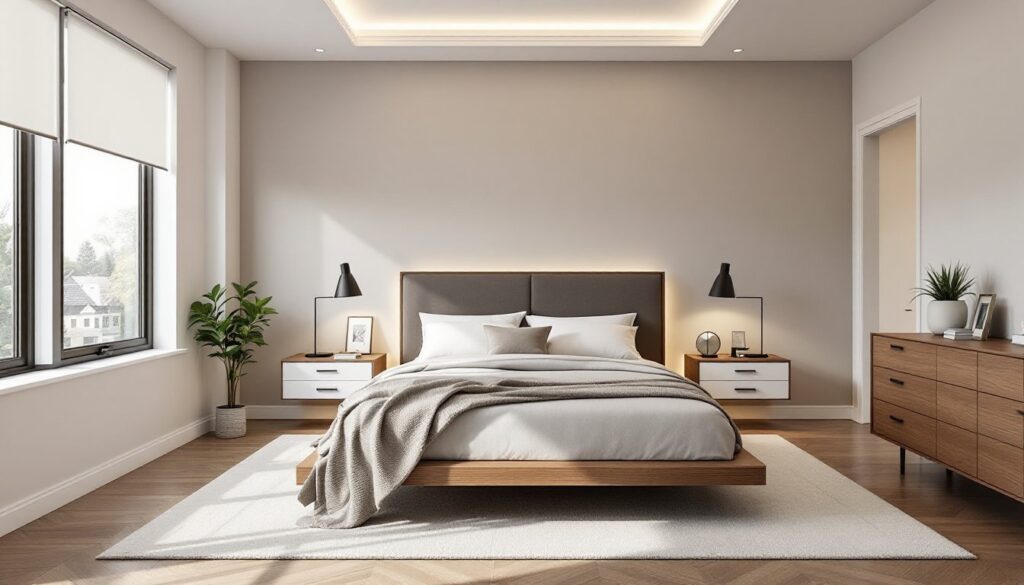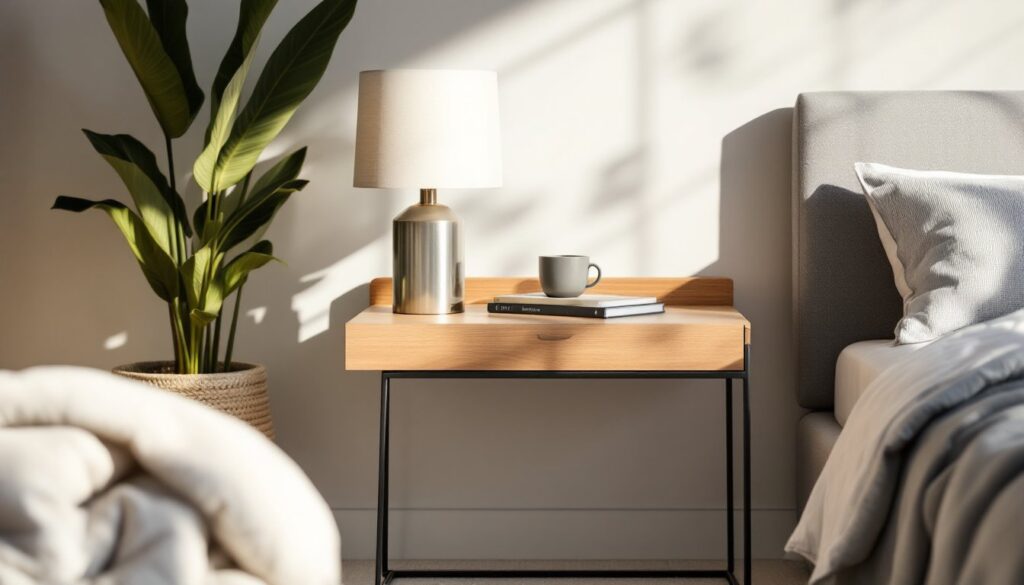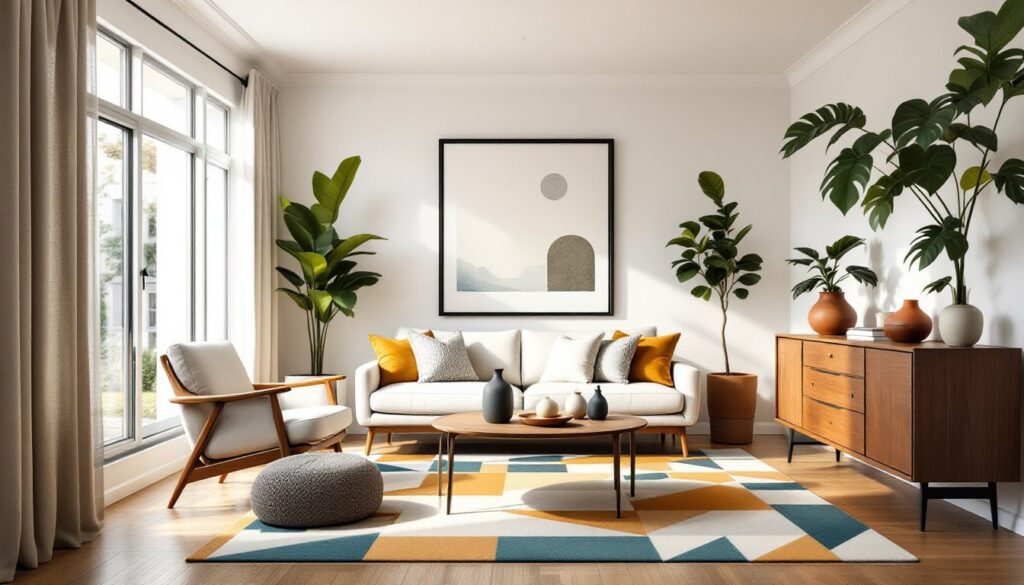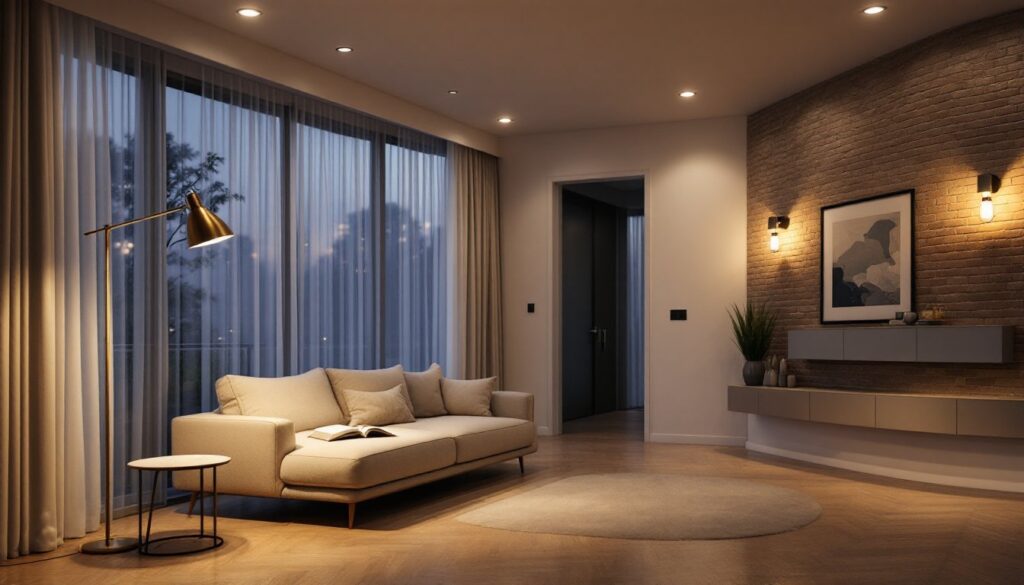

Good lighting doesn’t happen by accident. It’s the difference between a room that feels flat and lifeless and one that feels layered, functional, and inviting. Most people approach lighting backward, they pick a ceiling fixture, maybe add a lamp, and call it done. But professional designers know that lighting works in layers, with each type serving a distinct purpose. Whether you’re renovating a kitchen, setting up a home office, or just trying to figure out why your living room feels off, understanding the three core types of lighting, ambient, task, and accent, gives you the framework to make deliberate, effective choices.
Table of Contents
ToggleKey Takeaways
- The three core types of lighting in interior design—ambient, task, and accent—work together in layers, with each serving a distinct purpose rather than being used in equal amounts.
- Ambient lighting provides the foundational overall illumination, but relying on a single overhead fixture creates flat, harsh shadows; multiple sources and dimmers add dimension and control.
- Task lighting directs focused light to specific work areas like kitchen counters (using under-cabinet LED strips at 3000–4000K) and vanities (with side-mounted sconces to eliminate shadows), and requires quality bulbs with a CRI of 90+ to reduce eye strain.
- Accent lighting should be roughly three times brighter than ambient lighting and highlights focal points like artwork, textures, or architectural features at a 30-degree angle to minimize glare.
- Layer your lighting by placing each type on separate switches or circuits, allowing you to adjust independently based on whether you’re working, dining, or entertaining.
- Color temperature consistency within a room (2700–3000K for living spaces, 3000–4000K for kitchens and offices) prevents a disjointed feel, and LED bulbs should be selected by lumens rather than wattage for accurate brightness.
What Are the Three Main Types of Lighting in Interior Design?
Interior designers break lighting into three functional categories: ambient, task, and accent. Each serves a specific role, and a well-lit room uses all three in varying proportions.
Ambient lighting provides overall illumination, the baseline level of light that lets you move through a space safely. Think ceiling-mounted fixtures, recessed downlights, or chandeliers. It’s the foundation, but on its own, it’s boring and one-dimensional.
Task lighting directs focused light where you need it for specific activities: reading, chopping vegetables, applying makeup, or working at a desk. Desk lamps, under-cabinet strips, and vanity lights fall into this category.
Accent lighting adds drama and visual interest. It highlights artwork, architectural features, or textured walls. Track lights, picture lights, and wall sconces often serve this purpose.
The goal isn’t to use equal amounts of each, it’s to balance them based on the room’s function. A home office needs strong task lighting: a dining room leans heavier on ambient and accent layers.
Ambient Lighting: Creating Your Room’s Foundation
Ambient lighting is your room’s workhorse. It fills the space with general illumination so you’re not stumbling around in the dark. But it’s also the easiest type to get wrong, too much, and the room feels sterile: too little, and it’s cave-like.
Common ambient sources include:
- Recessed downlights (cans): Standard 6-inch cans are common, but spacing matters. A typical rule of thumb is one fixture per 25–30 square feet, but ceiling height and beam angle affect coverage.
- Flush-mount or semi-flush ceiling fixtures: These work in rooms with standard 8-foot ceilings where a pendant would hang too low.
- Chandeliers and pendant lights: Functional in dining rooms and entryways, but they need to be sized appropriately. A chandelier should be roughly one-half to two-thirds the width of the table it’s over.
- Track lighting: Flexible and adjustable, though often overused in the 1990s. Modern design ideas for ambient lighting favor cleaner, more integrated solutions.
One mistake is relying on a single overhead fixture. A central ceiling light casts harsh shadows and creates a flat, uninviting atmosphere. Multiple sources, even if they’re all ambient, add dimension. Dimmers are non-negotiable. They let you adjust intensity based on time of day and activity, and they’re inexpensive to install if you’re already replacing a switch.
Task Lighting: Illuminating Specific Activities and Workspaces
Task lighting does exactly what the name suggests: it puts light where you’re working. This is where function trumps aesthetics, though the two don’t have to be mutually exclusive.
Key applications:
- Kitchen counters: Under-cabinet LED strips are the gold standard. Install them toward the front of the cabinet, not the back, so light hits the work surface instead of the backsplash. Look for strips with a color temperature around 3000–4000K for clean, neutral light.
- Reading areas: A floor lamp with an adjustable arm or a swing-arm wall sconce works better than a table lamp if space is tight. The bottom of the shade should sit at eye level when you’re seated.
- Desks and workbenches: Position the light source to the side opposite your dominant hand to minimize shadows. A lamp with at least 400–500 lumens is the minimum for prolonged reading or detail work.
- Bathroom vanities: Light should come from both sides of the mirror, not just above. A single overhead fixture casts shadows under the eyes and chin, terrible for applying makeup or shaving. Wall sconces at 60–66 inches from the floor work well for most users.
Don’t cheap out on bulb quality for task lighting. Flickering or low-CRI (Color Rendering Index) bulbs cause eye strain. Look for bulbs with a CRI of 90 or higher for spaces where color accuracy matters, like kitchens and bathrooms.
Accent Lighting: Adding Drama and Visual Interest
Accent lighting is the optional layer that separates a well-lit room from a thoughtfully designed one. It draws the eye, highlights textures, and creates contrast.
Common uses:
- Picture lights or track lighting aimed at artwork or wall hangings. Position the light at a 30-degree angle to minimize glare.
- Up-lighting behind large plants or in corners to wash the ceiling with indirect light. This makes ceilings feel higher.
- LED strip lighting tucked into coves, behind floating shelves, or under toe kicks. Subtle but effective.
- Wall sconces that graze textured surfaces like stone, brick, or wood paneling. The angle creates shadows that emphasize the material.
Accent lighting should be roughly three times brighter than ambient lighting in the same space to create noticeable contrast. That doesn’t mean it needs to be intense, just focused. A 50-watt equivalent LED in a small spotlight can do the job.
Many modern lighting approaches integrate accent layers into architectural elements: recessed wall niches, floating stairs with integrated LEDs, or backlit panels. These require planning during construction or remodeling, but they eliminate the need for visible fixtures.
How to Layer Lighting for Maximum Impact
Layering is where theory meets practice. A room with all three types of lighting, ambient, task, and accent, feels balanced and adaptable. Here’s how to approach it.
Start with ambient lighting to establish baseline brightness. Calculate your room’s square footage and aim for 20–30 lumens per square foot for living areas, 50–75 lumens per square foot for kitchens and bathrooms. Convert that to bulb wattage based on the fixtures you’re using.
Add task lighting next, placed where activities happen. Don’t guess, walk through the room and imagine where you’ll read, cook, work, or groom. Mark those spots and plan fixtures accordingly.
Finish with accent lighting to highlight focal points. This is where you can experiment. A single well-placed accent fixture can change the entire feel of a room.
Switching matters. Each layer should be on its own circuit or switch so you can control them independently. A kitchen might have overhead recessed lights on one switch, under-cabinet task lights on another, and pendant lights over the island on a third. That flexibility lets you adjust based on whether you’re cooking, eating, or entertaining.
Common mistake: Over-relying on overhead lighting. Adding lamps at mid-height (table lamps, floor lamps, sconces) creates a more intimate, human-scale environment. It’s why hotel lobbies and high-end restaurants rarely use ceiling-mounted fixtures as the primary source.
Choosing the Right Light Temperature and Bulbs for Each Room
Color temperature is measured in Kelvin (K) and affects how a space feels. Lower numbers (2700–3000K) skew warm and yellow: higher numbers (4000–5000K) are cool and blue-white.
General guidelines:
- Living rooms, bedrooms, dining rooms: 2700–3000K. Warm light feels cozy and relaxing.
- Kitchens, bathrooms, home offices: 3000–4000K. Neutral to cool light improves visibility and color accuracy.
- Garages, workshops, utility spaces: 4000–5000K. Bright, cool light mimics daylight and reduces eye strain during detail work.
Don’t mix temperatures haphazardly. If your ambient lighting is warm and your task lighting is cool, the room feels disjointed. Stick to one temperature per room, or at least per layer.
Bulb types:
- LED: Energy-efficient, long-lasting, and available in every color temperature. They’ve come down in price, no reason to buy anything else for most applications.
- Incandescent: Warm, dimmable, and cheap upfront, but inefficient. They’re being phased out in many regions due to energy standards.
- CFL: Mostly obsolete. LEDs beat them on efficiency, color quality, and lifespan.
Check the lumens, not the wattage. A 60-watt incandescent produces around 800 lumens: an LED equivalent uses 8–10 watts. Lumens tell you brightness: wattage just tells you power consumption.
Conclusion
Lighting isn’t one decision, it’s a series of deliberate choices about how a space functions and feels. Ambient, task, and accent layers each play a role, and the rooms that feel right are the ones where all three work together. Start with function, layer in flexibility, and don’t underestimate the impact of dimmers and thoughtful bulb selection. The difference between adequate lighting and great lighting is planning.